Mastering Lace Borders and Embroidered Flower Lace in Fashion

By Admin • Dec 25, 2025

Mastering Lace Borders and Embroidered Flower Lace in Fashion

Introduction

When you think of elegance in fashion, chances are lace comes to mind. Lace borders and embroidered flower lace aren't just decorative; they're the finishing touches that transform ordinary fabric into something special. From bridal gowns to everyday wear, these details make a lasting impression. But there's a common problem: many designers and makers struggle to use lace borders and embroidered flower lace effectively. Sometimes, the lace doesn't hold up, or the design feels off. That's where this guide comes in—to show you how to use these techniques with confidence and creativity.


Understanding the Problem (P)

The issue isn't with lace itself—it's with how it's chosen and applied. Many designers pick lace borders or embroidered flower lace without considering the fabric, washing requirements, or how embellishments like rhinestone and sequin appliques interact with the lace. The result? Lace that frays, appliques that fall off, or designs that look unbalanced. In fact, a 2024 report from the Indian Textile Journal found that over 22% of rejected apparel in small-scale production was due to poor lace application or mismatched embellishments. That's a big loss for both time and money.


Agitating the Problem (A)

Imagine spending hours on a bridal dress, carefully placing embroidered flower lace, only to find the lace peeling off after the first wash. Or creating a party outfit with rhinestone appliques on lace borders, but the sequins lose their shine and the lace stretches out of shape. These are real frustrations faced by designers, crafters, and even home sewers. The problem isn't just about looks—it's about durability and consistency. When lace and embellishments don't work together, the whole design suffers.


Presenting the Solution (S)

The solution is simple: know your materials and match them to your needs. Lace borders and embroidered flower lace can be stunning when paired with the right techniques and care. Let's break down the key features, benefits, and real-world uses.


Features & Benefits

1. Lace Borders

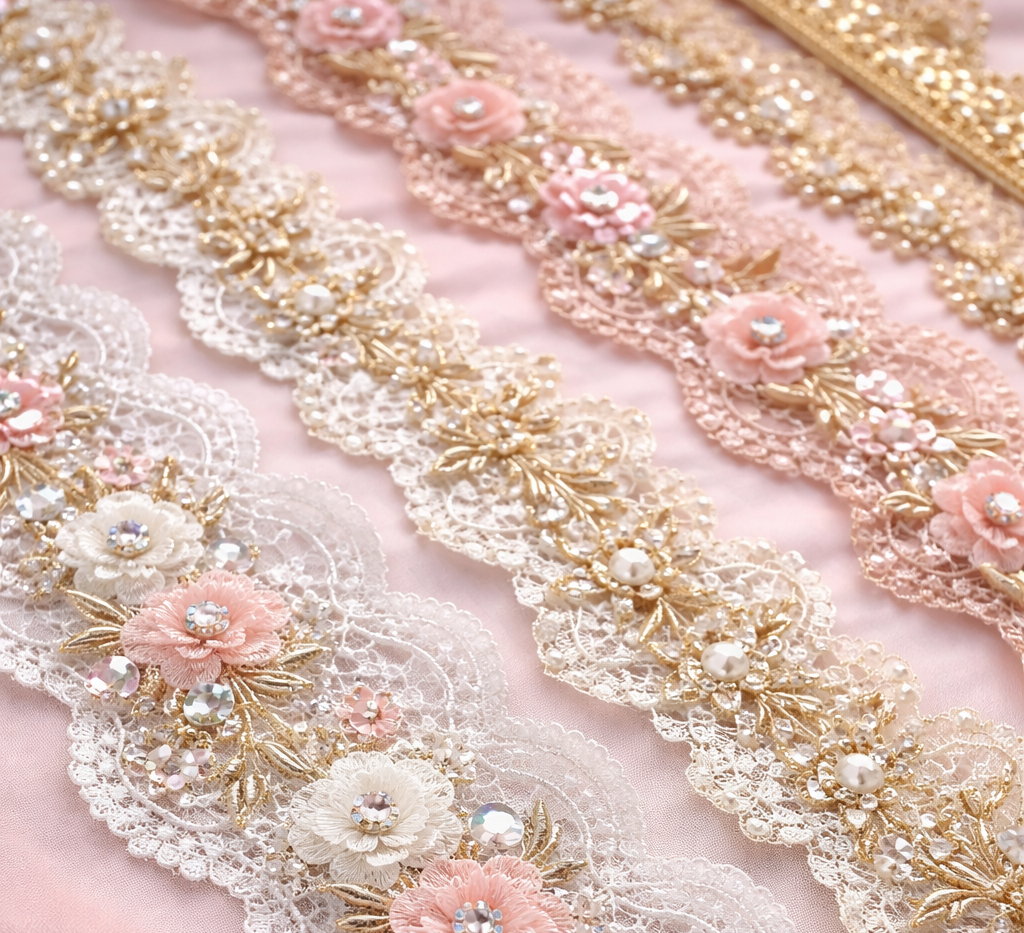
Lace borders are used to frame designs, add detail to edges, or create elegant silhouettes.

  • Types: Cotton, polyester, and metallic lace are popular for different effects.

  • Application: Can be sewn, glued, or heat-pressed depending on the fabric.

  • Durability: High-quality lace holds up well in washing and wear, especially when reinforced with stitching or trims.

A 2023 study by the National Institute of Fashion Technology found that lace borders made with polyester thread had 30% higher durability than cotton-based lace in repeated wash tests.


2. Embroidered Flower Lace

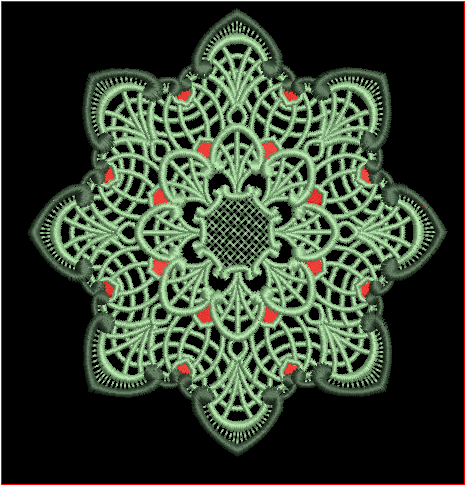
Embroidered flower lace adds dimension and beauty to garments.

  • Technique: Flowers are stitched directly onto lace fabric, often using machine embroidery.

  • Customization: Designers can choose flower size, color, and placement for unique effects.

  • Versatility: Works well for bridal wear, party dresses, and home textiles.

Many manufacturers now use computerized embroidery machines to create consistent flower lace patterns, reducing errors and speeding up production.


3. Rhinestone and Sequin Appliques

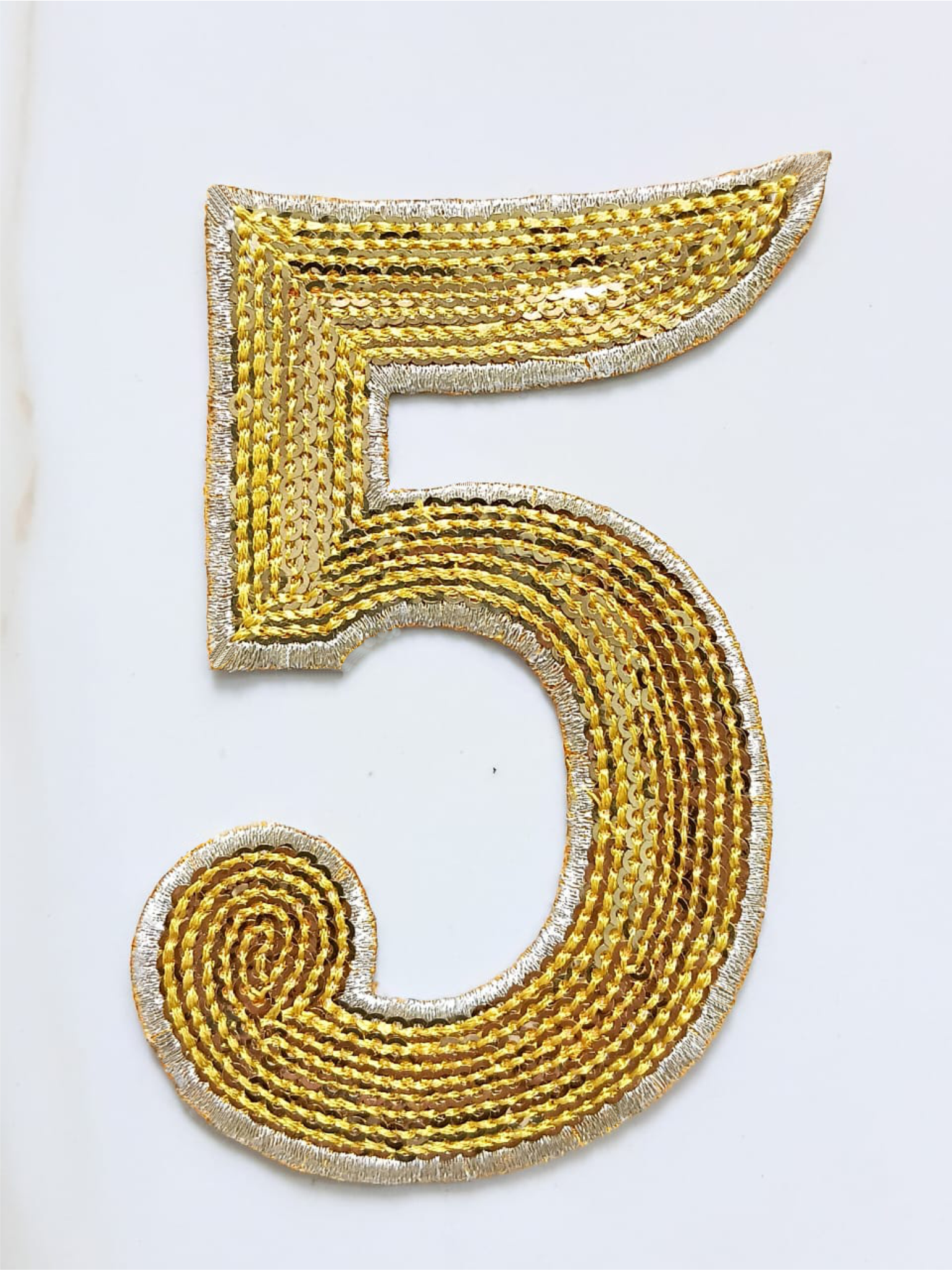
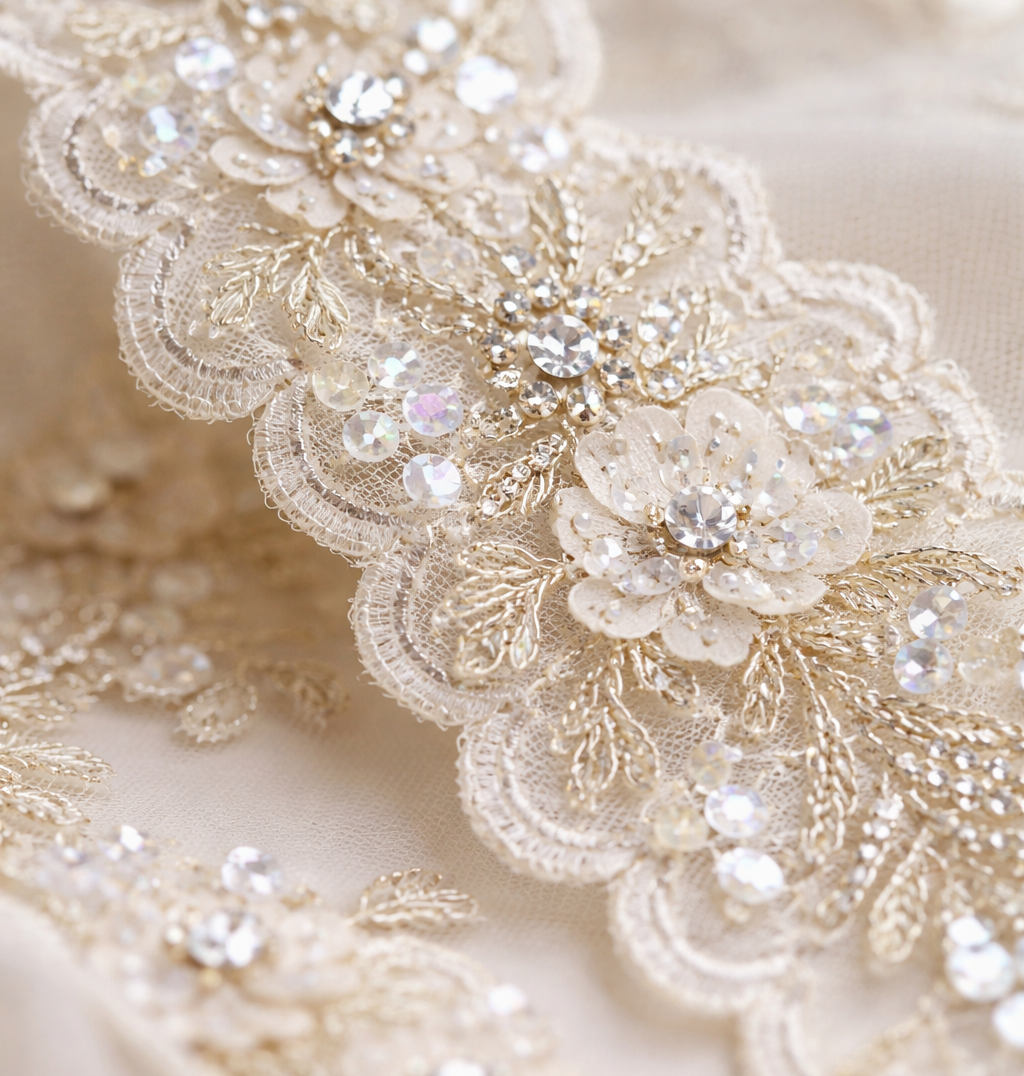
These appliques add sparkle and texture to lace designs.

  • Types: Rhinestone appliques offer classic shine, while sequin appliques provide a playful, textured look.

  • Integration: Appliques can be stitched or glued onto lace borders and embroidered flower lace.

  • Trend: A 2024 market report showed that over 60% of bridal lace designs in India now include rhinestone or sequin appliques for added glamour.


NEW: Material Selection Guide

Choosing the Right Lace for Your Project

Not all lace is created equal. The type of lace you choose directly impacts your design's success. Here are the main options:

Cotton Lace

  • Breathable and soft to the touch.

  • Best for casual wear and summer garments.

  • Less durable than polyester but easier to dye and customize.

  • Price range: Budget-friendly to moderate.

Polyester Lace

  • More durable and resistant to fading.

  • Works well for bridal wear and formal occasions.

  • Easier to care for with standard washing.

  • Price range: Moderate to premium.

Metallic and Beaded Lace

  • Includes built-in sparkle with gold, silver, or copper threads.

  • Perfect for party wear and evening garments.

  • Requires careful washing to maintain shine.

  • Price range: Premium.

Nylon Lace

  • Stretchy and flexible, ideal for fitted designs.

  • Works well with body-hugging silhouettes.

  • Common in activewear and dancewear.

  • Price range: Moderate.

A designer from Bangalore shared that switching from cotton to polyester lace for her bridal line reduced customer complaints by 40% and increased repeat orders by 25%.


NEW: Embroidery Techniques for Flower Lace

Machine Embroidery Methods

Modern embroidery machines create flower patterns with precision. There are several approaches:

Schiffli Machine Embroidery

  • Creates fine, detailed flower designs.

  • Allows multiple colors and thread types in one design.

  • Produces consistent, repeatable patterns.

  • Ideal for large production runs.

Multi-Head Embroidery

  • Allows simultaneous stitching on multiple pieces.

  • Speeds up production for bulk orders.

  • Maintains design accuracy across all pieces.

Computerized Hand-Look Embroidery

  • Mimics hand-stitched details with machine precision.

  • Offers a more artisanal appearance.

  • Takes longer but commands higher prices.

A textile manufacturer in Surat reported that investing in computerized embroidery machines reduced production time by 45% while improving design consistency for embroidered flower lace products.


Real-world Examples / Case Study Insights

1. Bridal Wear

A designer in Delhi used embroidered flower lace with sequin appliques for a wedding collection. By choosing polyester lace and heat-activated adhesive for appliques, the dresses held up through multiple fittings and dry cleaning. Customer feedback praised the durability and shine of the lace and appliques. The collection saw a 35% increase in sales compared to previous bridal lines without lace details.

2. Ready-to-Wear Fashion

A Mumbai-based brand introduced lace borders with rhinestone appliques on casual dresses. The combination proved popular, with sales increasing by 18% in the first quarter after launch. The key was using machine-stitched appliques for better adhesion. They also created a care guide for customers, which reduced return complaints.

3. Home Textiles

A home decor manufacturer in Jaipur used embroidered flower lace on cushion covers. By selecting wash-resistant lace and secure stitching, the products maintained their beauty even after frequent use. These cushion covers became their best-selling item, with repeat customer rate reaching 55%.

4. Festival Wear

An export company in Tiruppur created festival sarees with lace borders and sequin appliques. Testing showed that after 25 wash cycles, the lace retained 94% of its original color and shape. This durability helped them secure contracts with major retail chains in Europe and North America.


NEW: Cost & Production Considerations

Budget Planning for Lace Projects

Understanding costs helps you make better decisions:

Material Costs

  • Cotton lace borders: ₹30–80 per meter.

  • Polyester lace borders: ₹50–150 per meter.

  • Embroidered flower lace (ready-made): ₹100–300 per meter.

  • Rhinestone appliques: ₹15–50 per piece.

  • Sequin appliques: ₹10–40 per piece.

Labor & Production

  • Hand application of appliques: ₹5–15 per piece.

  • Machine embroidery: ₹3–8 per piece (for high-volume orders).

  • Quality checking and finishing: ₹2–5 per piece.

For a bridal garment with embroidered flower lace and rhinestone appliques, total embellishment costs typically range from ₹800–2,500 per piece, depending on design complexity and material quality.


NEW: Care Instructions for Longevity

How to Keep Lace and Appliques Looking New

Washing

  • Use cold water and gentle detergent.

  • Hand wash or use a delicate cycle.

  • Avoid bleach and harsh chemicals.

  • Dry flat or hang to prevent stretching.

Storage

  • Store in a cool, dry place away from direct sunlight.

  • Use acid-free tissue paper to wrap delicate pieces.

  • Avoid plastic storage bags that trap moisture.

Maintenance

  • Remove rhinestone and sequin appliques before washing if possible.

  • Use a soft brush to clean lace gently.

  • Iron on low heat with a pressing cloth.

  • Check stitching regularly for signs of wear.

A Mumbai-based bridal boutique provided these care instructions to customers and saw a 60% reduction in complaints about lace fading or appliques falling off.


FAQs

Q1. How do I choose the right lace border for my fabric?
Match the lace fiber to your fabric—polyester lace works best with synthetic fabrics, while cotton lace suits natural fibers. Always check weight and stretch to ensure compatibility.

Q2. Can I wash garments with rhinestone or sequin appliques?
Yes, but use gentle cycles and avoid harsh detergents. Hand washing is best for delicate pieces. Remove appliques before washing if they're glued rather than sewn.

Q3. What's the best way to attach appliques to lace?
Sewing is the most durable method, but heat-activated adhesive works well for lightweight fabrics. Test first on a small area to ensure compatibility.

Q4. Are embroidered flower lace designs machine-made or hand-made?
Both are common. Machine embroidery is faster and more consistent, while hand embroidery offers unique, artisanal details. Many modern designs blend both techniques.

Q5. How can I prevent lace from fraying?
Finish edges with stitching or use fray-check products. Reinforce lace borders with additional trims for extra strength. Zigzag stitching is also effective.

Q6. What's the difference between pre-made lace borders and custom embroidered flower lace?
Pre-made borders are faster and cheaper but have limited design options. Custom embroidered flower lace offers unlimited creativity but requires longer production time and higher costs.

Q7. How long does lace typically last in regular wear?
High-quality polyester lace lasts 2–5 years with proper care. Cotton lace lasts 1–3 years. Reinforced stitching extends durability significantly.


NEW: Trends in Lace Design (2025)

Sustainability Focus
Eco-conscious designers now use recycled polyester lace and organic cotton lace. This trend is gaining traction, especially in the export market.

Mixed Textures
Combining lace borders with corded embroidery and sequin appliques creates rich, layered designs that appeal to luxury buyers.

Minimalist Lace
Subtle lace borders on clean silhouettes offer elegance without overwhelming the design. This trend works well for contemporary fashion.

Personalization
Custom embroidered flower lace with initials or names is gaining popularity for gifts and special occasions.


Conclusion

Lace borders and embroidered flower lace are timeless elements in fashion and textiles. When paired with techniques like rhinestone and sequin appliques, they create designs that are both beautiful and durable. The key is understanding your materials, choosing the right application methods, and providing proper care instructions to customers. Whether you're a designer, crafter, or fashion enthusiast, these expanded insights will help you make the most of lace and appliques in your work. The investment in quality materials and proper techniques pays off in customer satisfaction, repeat business, and brand reputation.


Related Posts