Introduction: The Problem Many Designers Face
As a designer, you know the magic that sequins and rhinestones can bring to a design. They add sparkle, dimension, and life to otherwise simple fabrics. Whether you're working on a glamorous evening gown, a theatrical costume, or an embroidered blouse, these embellishments can turn your creation into something extraordinary.
But, there's a catch—working with rhinestone and sequin appliques isn't always as glamorous as it seems. It's common for designers to face durability issues, high material costs, and the frustration of seeing their hard work unravel or fade after a few uses.
You’ve probably experienced the pain of appliques coming loose after just one wash or losing their shine too quickly. Worse yet, the added costs of redoing or fixing an applique job can eat into your margins, especially if you're using high-end materials.
In this post, we’ll walk you through the challenges designers often face with rhinestone and sequin appliques, how to avoid the waste and cost pitfalls, and practical solutions to make your embellishments last. Let’s dive in!
Features: Types, Materials, and Application Methods
1. Types of Appliques
When it comes to rhinestone and sequin appliques, there are a few different types to choose from. Understanding each type is key to getting the best results in your designs.
-
Flat Sequin Appliques
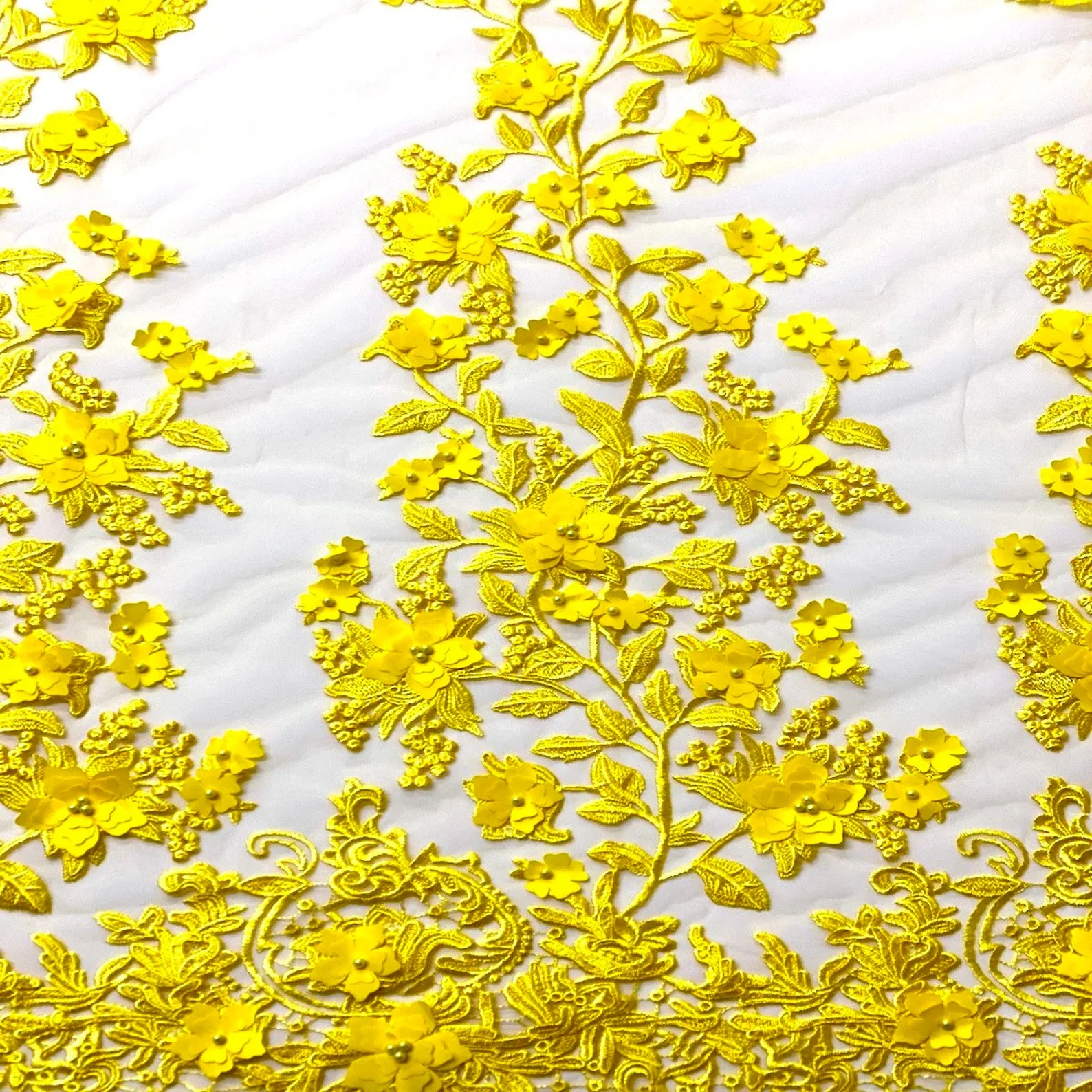
These are the most common form of sequin appliques. The sequins are sewn flat against the fabric, giving a smooth, shiny effect. They’re often used for evening wear, performance costumes, and bridal designs. -
Padded Sequin Appliques
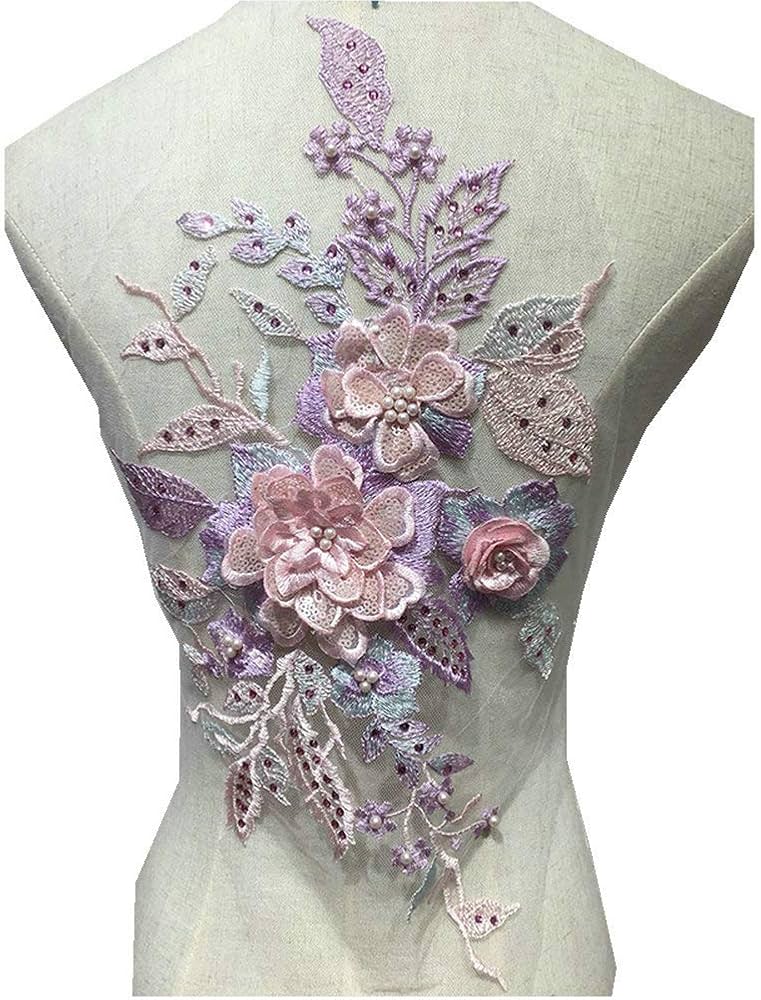
These appliques have a layer of padding beneath the sequins, making them more dimensional. They provide a 3D effect, perfect for adding a bold statement to any garment. -
Rhinestone Appliques
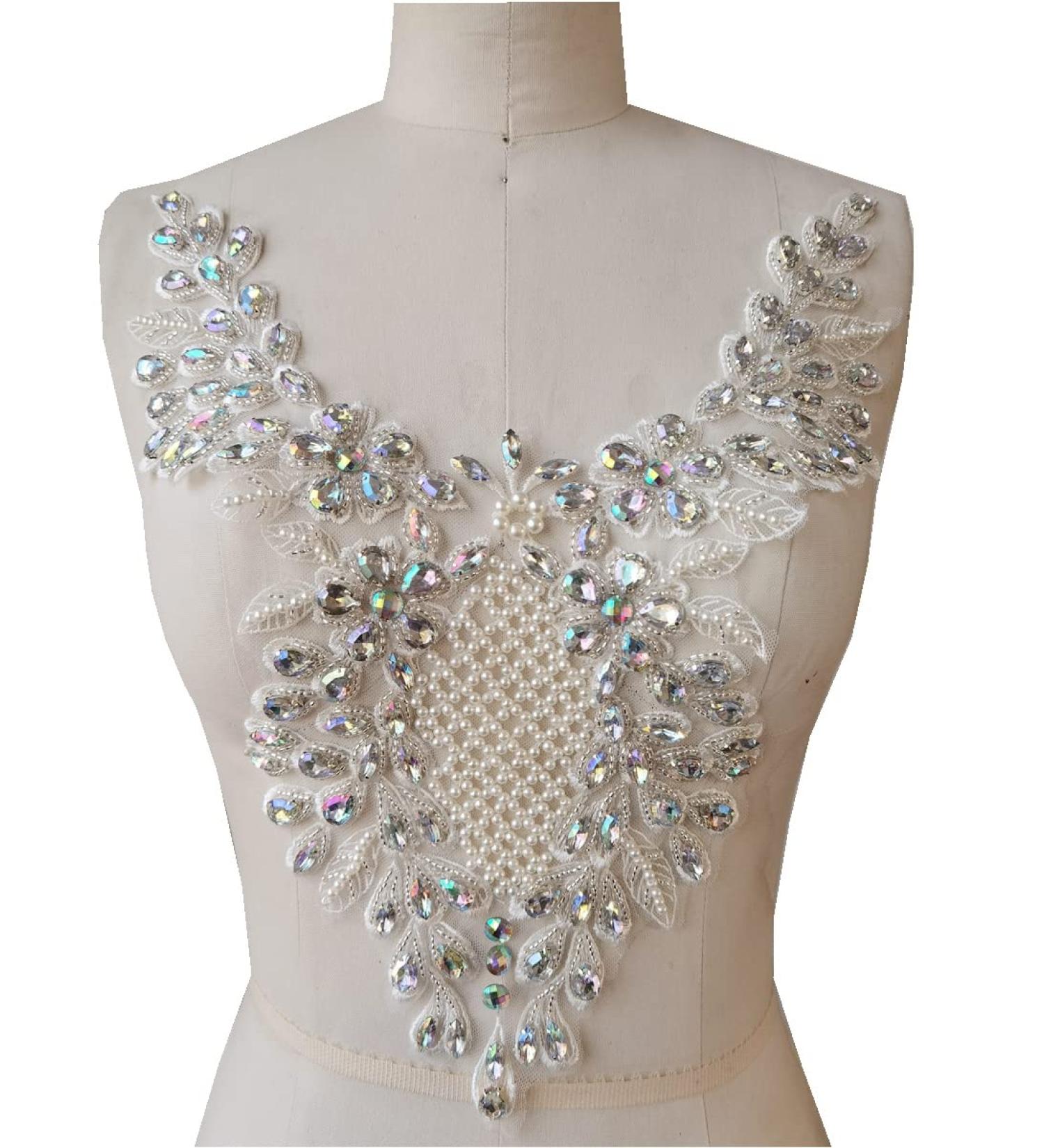
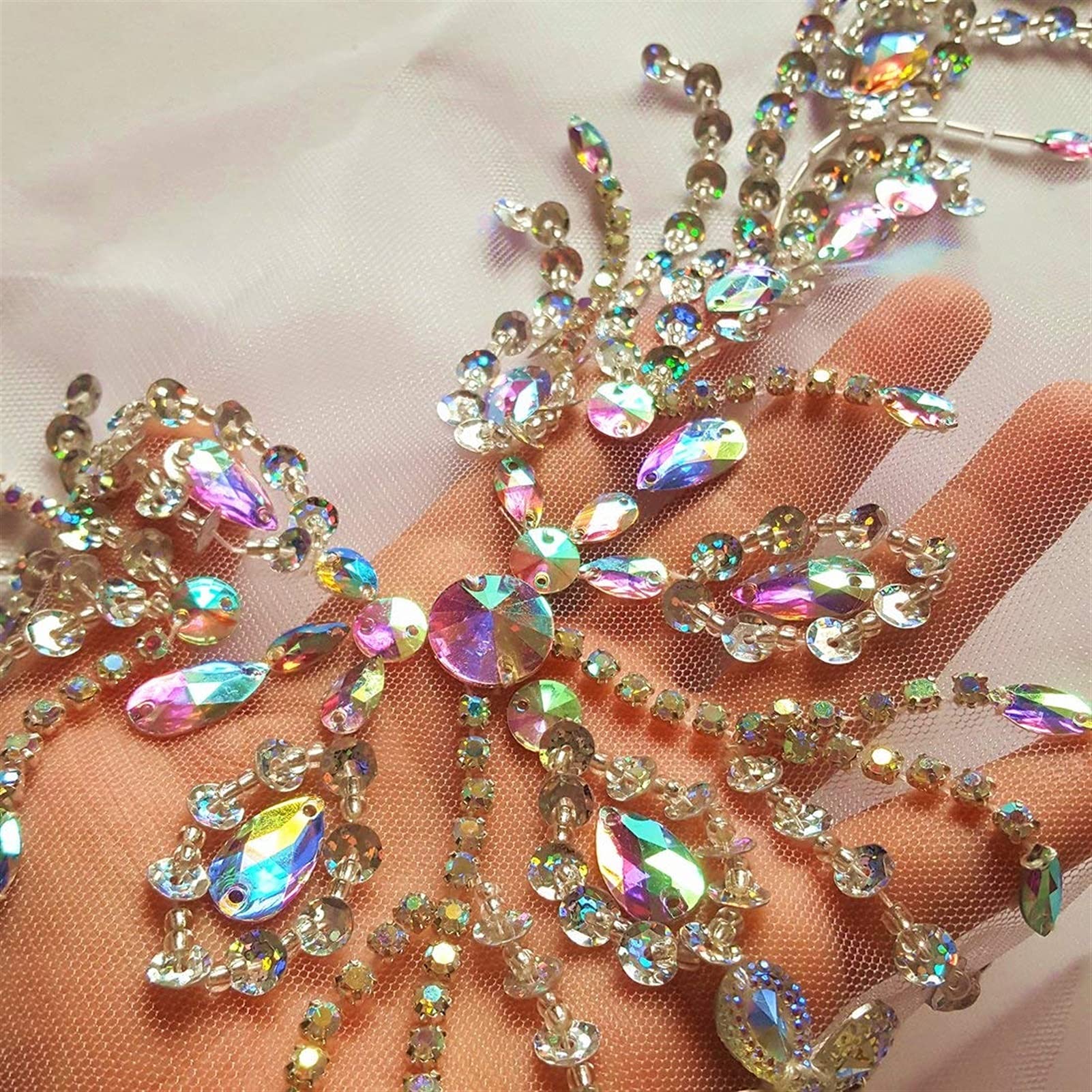
Rhinestones are often arranged in intricate patterns, providing a sparkle similar to diamonds. They can be sewn onto fabric or glued for easy application. Rhinestone appliques are ideal for adding luxury and sparkle, often seen in stage costumes or bridal attire.
2. Materials
Understanding the materials involved is crucial for both durability and cost-effectiveness.
-
Sequins:
Most sequins are made from plastic, but there are premium options like glass and acrylic that offer extra durability and shine. Plastic sequins are cheaper but may lose their luster more quickly. Glass sequins, on the other hand, retain their sparkle for much longer and are ideal for high-end designs. -
Rhinestones:
Rhinestones come in various materials such as glass, crystal, or acrylic. Glass rhinestones are the most durable and luxurious, but they can be more expensive. Acrylic rhinestones are less durable but still offer a brilliant shine. -
Fabrics:
The type of fabric you’re working with affects how well appliques will stay in place. Heavier fabrics like velvet, satin, and organza are ideal for appliques as they provide a solid base for the embellishments. Lighter fabrics like cotton or chiffon may require extra care to avoid the appliques shifting or falling off over time.
3. Application Methods
The application process plays a huge role in the durability and overall success of your design. You’ve probably encountered a situation where a well-placed rhinestone or sequin applique fell off after just a few washes. The good news is, you can avoid this with proper technique.
-
Hand Sewing:
Hand-sewing rhinestones and sequins is a precise way to ensure durability. It's more time-consuming, but it results in a stronger hold and allows for more control over the placement of each element. -
Machine Sewing:
For large batches or quick designs, machine sewing works well, especially when using automated machines that are designed to sew sequins and rhinestones. However, make sure your machine is compatible with heavier embellishments to avoid breaking needles or damaging the fabric. -
Iron-On and Heat Press:
Heat-activated rhinestones and sequin appliques can be applied using an iron or heat press. This is the fastest method but may not be as durable as hand sewing. For better longevity, consider using both methods together—first iron-on, then reinforce with a few stitches.
The Problem with Durability and Costs
Here’s where most designers face frustration: Durability. We’ve all seen it—appliques that fall off, sequins that lose their shine, or rhinestones that dull after one wash. And the costs? They add up, especially if you’re redoing designs or using expensive materials like rhinestones and glass sequins.
According to a Textile Institute study, sequins that are machine-stitched can experience up to 80% less fraying compared to hand-sewn sequins. This means less waste, fewer returns, and more cost-effective designs.
The Agitation: Wasting Materials and Losing Money
The worst part? Wasted materials. Whether it’s redoing a section because it wasn’t securely applied or discarding sequins that broke during stitching, every mistake costs you. In fact, a Textile World report revealed that 60% of designers reported material waste due to improper applique techniques. Not only do these issues waste your precious time, but they also drain your budget.
And let’s face it—when you're working with intricate rhinestone designs or premium sequins, the costs can add up quickly. Replacing or repairing these details cuts into your profits and takes away from the overall value of your work.
Real-World Examples and Case Studies
-
Indian Fashion Industry Boosting Sales
Indian fashion brands like Sabyasachi and Anita Dongre have seen a 25% increase in sales after incorporating sequin and rhinestone appliques into their bridal collections. According to data from Alibaba’s Textile Trends Report, sequins and rhinestones have become some of the highest-demand materials in Indian bridal fashion, with an annual growth rate of 15%. By offering dazzling applique designs, these brands have been able to capture the attention of high-end buyers. -
Performance Costumes on Paddelaters.com
Performance wear company Paddelaters saw a 30% increase in online orders after launching their line of rhinestone-studded costumes. Rhinestone appliques on stage costumes not only provide a glittering effect but also stand up to the wear and tear of performances. According to a survey by Fashion and Textile Hub, rhinestone-studded costumes were among the top sellers, with over 40% of customers opting for them over simpler designs. -
Evening Gowns and Luxury Brands
Western luxury brands, including Chanel and Valentino, have incorporated sequins and rhinestone appliques into their evening wear collections. These high-end garments have generated a 30% boost in sales year over year due to their glitzy appeal. As reported by Fashion & Textile Hub, these brands use high-quality glass rhinestones and hand-sewn sequins to ensure durability and long-lasting shine.
FAQs: Practical Answers to Common Questions
-
How can I prevent sequins from falling off after washing?
The key is durability. If you’re using machine stitching, make sure to reinforce your appliques with a few hand stitches. Also, use a fabric protector spray for extra hold. As a general rule, always hand wash garments with delicate appliques. -
Are rhinestone appliques worth the cost?
Absolutely! Rhinestones add a touch of luxury that can increase the perceived value of your designs. However, it's essential to use quality materials and application techniques to ensure they last. A Textile Institute study found that high-quality rhinestones can last up to 50% longer than cheaper alternatives. -
What’s the best fabric for appliques?
Heavier fabrics like satin, velvet, and organza work best for appliques. They provide a sturdy base for embellishments, ensuring they stay in place. Lighter fabrics may require extra care to avoid shifting appliques. -
Can I mix rhinestones with other embellishments like sequins?
Yes! Mixing rhinestones with sequins creates a dynamic look. Just make sure to balance them out—use rhinestones as the focal point and sequins for added texture. -
How can I avoid material waste when working with sequins?
The best approach is to measure carefully and use high-quality sequins to minimize breakage. The Textile Institute suggests machine-sewing sequins for better durability and less fraying.
Conclusion: Make Sequins and Rhinestones Work for You
Rhinestone and sequin appliques have the power to elevate your designs, adding that perfect touch of sparkle and elegance. However, durability and cost are real concerns for many designers. By choosing the right materials, using proper application techniques, and following best practices, you can avoid the waste and extra costs associated with these embellishments.
Whether you're designing evening gowns, bridal wear, or performance costumes, sequins and rhinestone appliques can give your creations the extra shine they need to stand out. Ready to give them a try? Start by using these techniques in your next project and watch your designs come to life with brilliance and sparkle!