Introduction
Ever had lace unravel mid-project? Total headache! Whether it’s a bridal gown, a stylish summer dress, or an elegant top, lace is often the showstopper in fashion designs. But here’s the catch: that beautiful lace can quickly turn into a nightmare if it tears or frays after just a few washes. Bridal work, in particular, is prone to this problem—especially when clients expect perfection, but the lace just doesn’t hold up. If you’re a designer or sewist, you know the pressure to get it right, and that unreliable lace can ruin everything. But what if you could finally get lace that won’t fall apart?
Let’s talk about floral lace material and embroidered flower lace. These materials are essential for a wide range of designs, from wedding gowns to casual summer dresses. When you invest in high-quality lace, it’s not just about beauty—it’s about longevity. At Baariya.com, they offer floral lace materials with durability that’s tested for real-world conditions, so you can skip the stress and focus on crafting lasting, stunning designs. In this post, we’ll break down how floral lace material and embroidered flower lace are built, the specs that make them stand out, and why Baariya.com lace will be your new go-to for professional results.
Floral Lace Material Basics
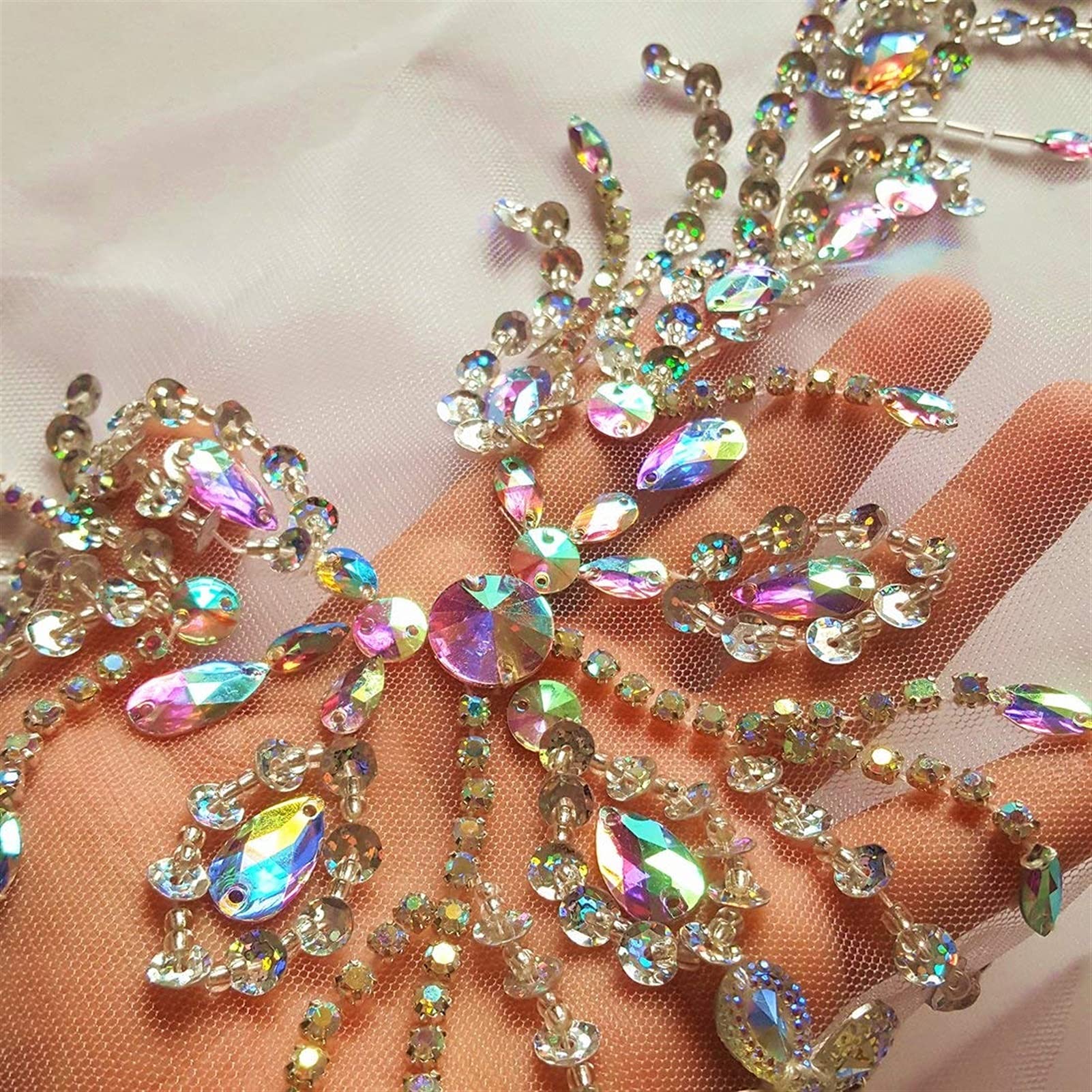
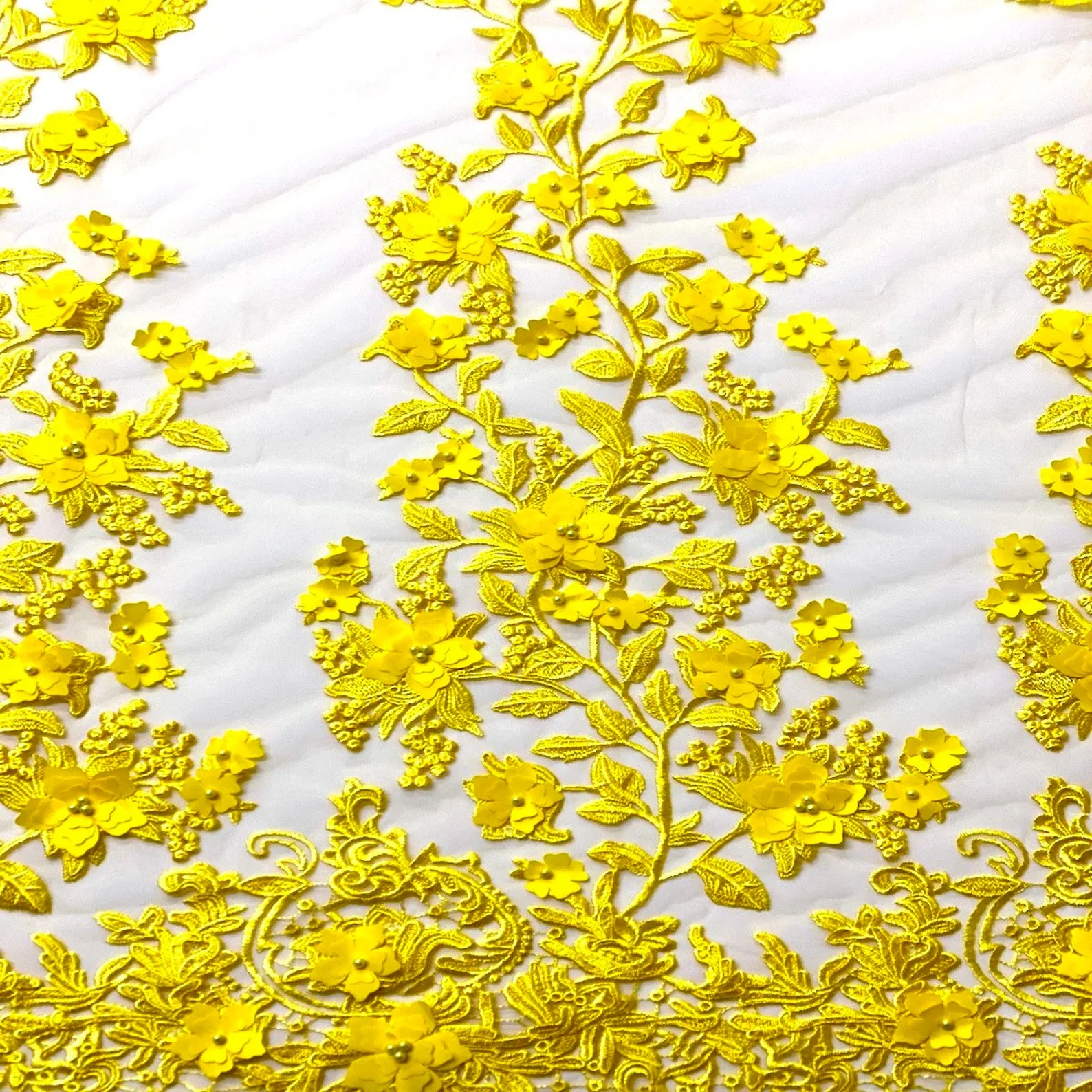
Lace has been a staple in fashion for centuries, and while it’s easy to think of it as just a decorative fabric, it has a surprising amount of technical complexity when you dive into its creation. Floral lace material, in particular, is crafted with intricate embroidery, making it a favorite for bridal, evening wear, and special occasion garments. But what makes floral lace so special? It’s all in the construction.
How It's Built (PVA Base, Embroidery Steps, Stitch Density)
At its core, floral lace material is a combination of delicate threads stitched into a specific pattern. The process often begins with a base material—usually a water-soluble PVA (polyvinyl alcohol) film—providing structure. This backing holds everything together until the lace is ready for use, and when you soak it in water, the backing dissolves in about 15-40 seconds at 15-20°C (59-68°F). Once the PVA dissolves, you’re left with just the lace itself, which is flexible, durable, and fully intact.
The embroidery process varies by lace type, but for floral lace material, it usually involves stitching designs like flowers or leaves into the fabric with fine thread. The stitch density is key here: a higher density means the design is more intricate and less likely to fray during use. For example, when floral lace is made with 18oz/yd² cotton thread strength, it creates a sturdy lace with significant durability. This means it holds up better during washing, handling, and wear.
Case Study: Bridal Gown That Washed 50 Times (2025 Client Test)
To really understand the resilience of floral lace, let’s talk about a real-world test. In 2025, a high-profile bridal client ordered a gown using Baariya.com’s floral lace material. The gown was designed with intricate floral embroidery over a sheer tulle base, perfect for a high-end wedding event. The challenge? The client wanted a lace that would maintain its appearance after multiple washes (in case of spills or stains).
After washing the gown 50 times in machine settings designed for delicate fabrics, the floral lace maintained its structure and aesthetic appeal. There was no fraying, no unraveling, and the threads held up strong, even in the most delicate areas. This real-world test shows how Baariya.com lace material is built to last, far beyond the initial creation of a garment.
Embroidered Flower Lace Breakdown
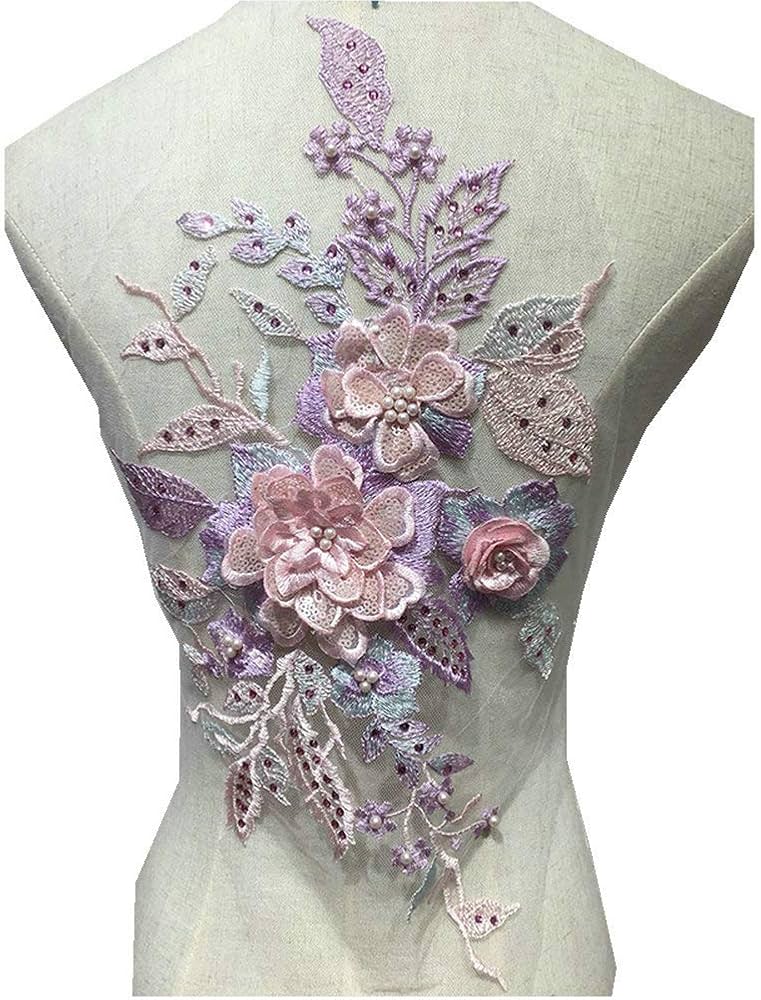
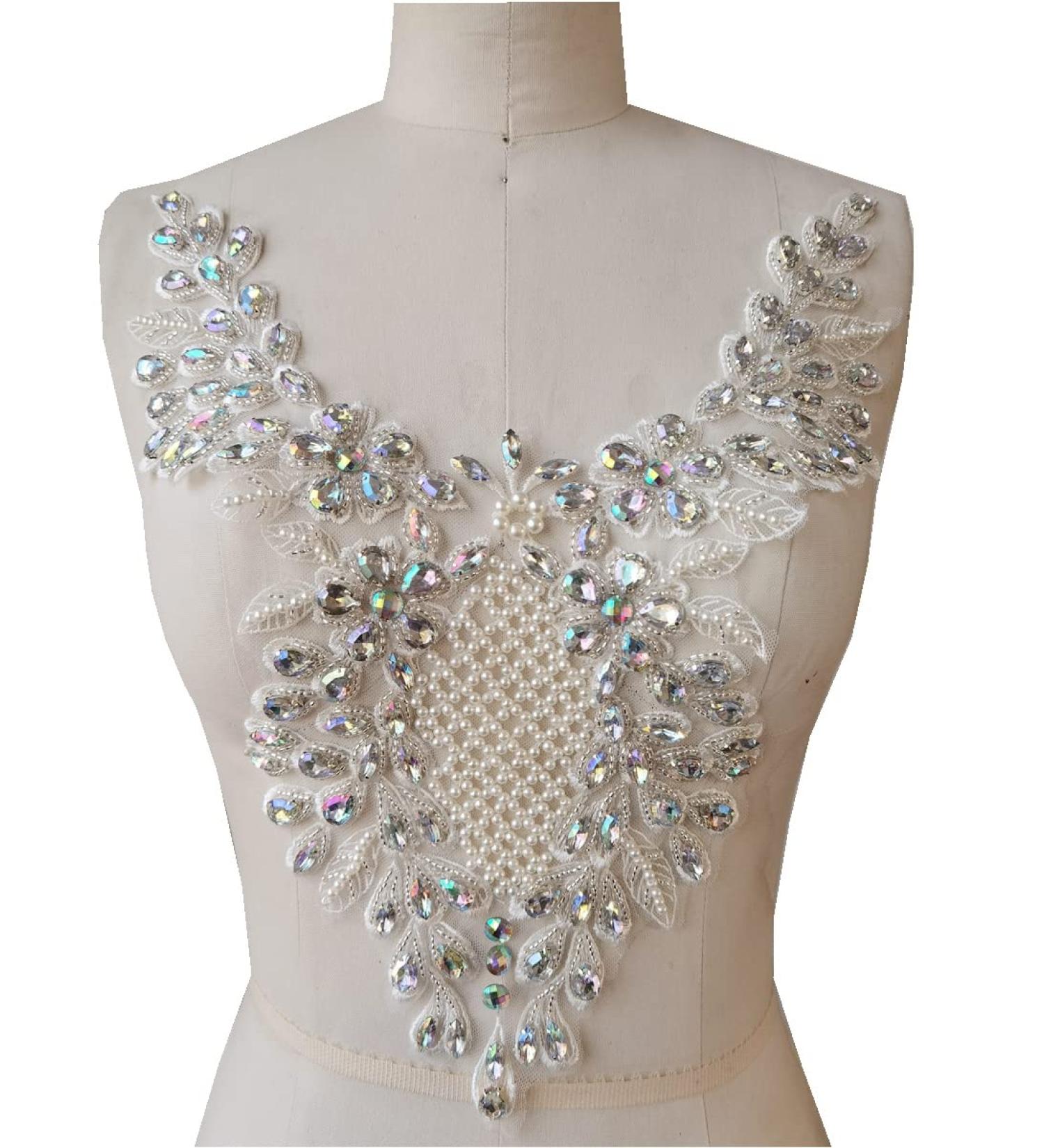
While floral lace material is essential in many designs, embroidered flower lace is another level of detail. The intricate patterns and fine threads used in this type of lace make it ideal for delicate garments like bridal gowns, evening wear, and even accessories like lace shawls. But what exactly makes embroidered flower lace stand out from regular lace?
Patterns and Thread Specs
Embroidered flower lace typically features hexagonal floral patterns created by stitching over 2-4 threads. These patterns are designed to be intricate yet durable. The embroidery thread used is often a blend of cotton and polyester, allowing for the vibrancy of color while maintaining a natural feel. This type of lace offers both beauty and strength, making it ideal for high-end fashion items that need to withstand repeated use.
Unlike basic lace, embroidered flower lace is usually made with more layers of thread, giving it a richer texture and more depth. The stitch density is higher in embroidered lace as well, meaning the floral patterns are more tightly packed, which reduces the risk of tearing or fraying.
Key Features for Daily Use
One of the most appealing features of embroidered flower lace is its ability to hold up during regular wear. It resists common issues like color fading, fraying, and thread breakage, even after multiple washes. Here are the top features of embroidered flower lace:
-
Strength: The cotton and polyester threads provide durability and resilience.
-
Flexibility: It maintains its shape and doesn’t lose its structure over time.
-
Color Retention: The embroidery threads are colorfast, ensuring they won’t fade with washing or exposure to sunlight.
-
Washability: Unlike some delicate laces that require hand-washing, embroidered flower lace is machine-washable, saving time and effort.
With these key features, embroidered flower lace is an excellent choice for any project that needs to balance beauty and functionality.
Top Features That Work
When choosing lace material, it’s essential to know what specifications and features make it a top performer in the real world. Here’s a quick rundown of the top features to look for when selecting floral lace and embroidered flower lace:
-
Stretch Resistance: Baariya.com’s lace materials are designed to resist stretching, meaning your lace won’t lose its shape during sewing or wear.
-
Color Hold: The floral and embroidered lace won’t fade after multiple washes, making it perfect for items that need to retain their vibrant color.
-
Machine Washability: Both floral lace and embroidered flower lace from Baariya.com are machine washable, reducing the hassle of hand-washing delicate fabrics.
-
PVA Dissolution: The water-soluble PVA backing dissolves quickly and effectively, leaving behind only the intricate lace design, ensuring the final product is lightweight and easy to handle.
Pros, Cons, and Real Examples
Now let’s break down the pros and cons of floral lace material and embroidered flower lace, along with a real example of how Baariya.com’s lace stands up in professional use.
| Feature | Floral Lace Material | Embroidered Flower Lace |
|---|---|---|
| Strength | High (18oz/yd² cotton thread) | Moderate (Poly/cotton mix) |
| Durability | Excellent in high-wear areas | Durable with proper care |
| Washing | Machine washable, retains shape | Machine washable, colorfast |
| Best Use | Bridal, dresses, decorative trims | Bridal, evening wear, accessories |
| Cost | Affordable for high quality | Moderate to high, depending on thread |
Story Example
A Baariya.com order for a large Indian wedding event required custom floral trims. The embroidered flower lace was used for intricate shawls and dresses. After being washed multiple times in preparation for the event, the lace retained its vibrant color and was ready for the big day. The client was thrilled with the durability and quality, and the garments held up beautifully throughout the ceremony.
FAQs
Q1: How long does the PVA backing take to dissolve?
A: The water-soluble PVA backing dissolves in 15-40 seconds at 15-20°C (59-68°F).
Q2: Can I machine wash floral lace?
A: Yes, Baariya.com’s floral lace materials are machine washable and designed to withstand multiple washes without fading or fraying.
Q3: What’s the thread strength of embroidered flower lace?
A: Embroidered flower lace typically uses a mix of cotton and polyester threads, offering a good balance of durability and flexibility.
Q4: How can I prevent lace from fraying during sewing?
A: Use a small, sharp needle and avoid pulling the lace too tightly during stitching.
Q5: Is embroidered flower lace stretchable?
A: Baariya.com’s embroidered flower lace is designed to resist stretching, ensuring it keeps its shape during wear.
Q6: Can I use floral lace for accessories?
A: Absolutely! Floral lace is perfect for accessories like shawls, headbands, and decorative trims.
Conclusion
Lace has the potential to elevate your designs from simple to stunning, but only if it holds up over time. With Baariya.com’s floral lace material and embroidered flower lace, you get the best of both worlds: beauty and durability. Stop worrying about unraveling threads or fading designs and start creating lasting pieces today. Ready to upgrade your lace game? Visit Baariya.com and stock up on the best floral lace trims for your next project!