Introduction (Problem)
In fashion, embroidery, and home décor, one common challenge keeps coming up: how do you add visual impact without redesigning everything from scratch? Whether it’s a plain dress that feels unfinished, a bridal veil missing elegance, or home décor that looks flat, many designers and DIY creators struggle to make pieces stand out while staying cost-effective and time-efficient.
This is where beaded and sequin appliques with lace borders step in. These decorative elements allow designers to transform garments, accessories, and interiors without rebuilding the entire structure. Instead of starting over, you enhance what already exists.
From couture runways to local tailoring shops, appliques and lace borders have become a reliable solution for adding texture, shine, and detail—without overwhelming the design.
Why the Problem Matters (Agitate)
When embellishment is missing, designs can feel incomplete. A wedding gown may look plain under bright lighting. Evening wear may fail to catch attention. Home décor items like cushions or curtains might feel generic and mass-produced.
The frustration grows when:
-
Handmade garments look less detailed than store-bought ones
-
Custom embroidery feels time-consuming
-
Budget limits prevent full beaded fabric usage
-
Trend changes make designs feel outdated quickly
Without a flexible solution, designers often face wasted fabric, increased labor costs, or missed creative opportunities. Worse, customers may walk away unimpressed—especially in competitive fashion and décor markets.
The Practical Solution: Beaded & Sequin Appliques with Lace Borders
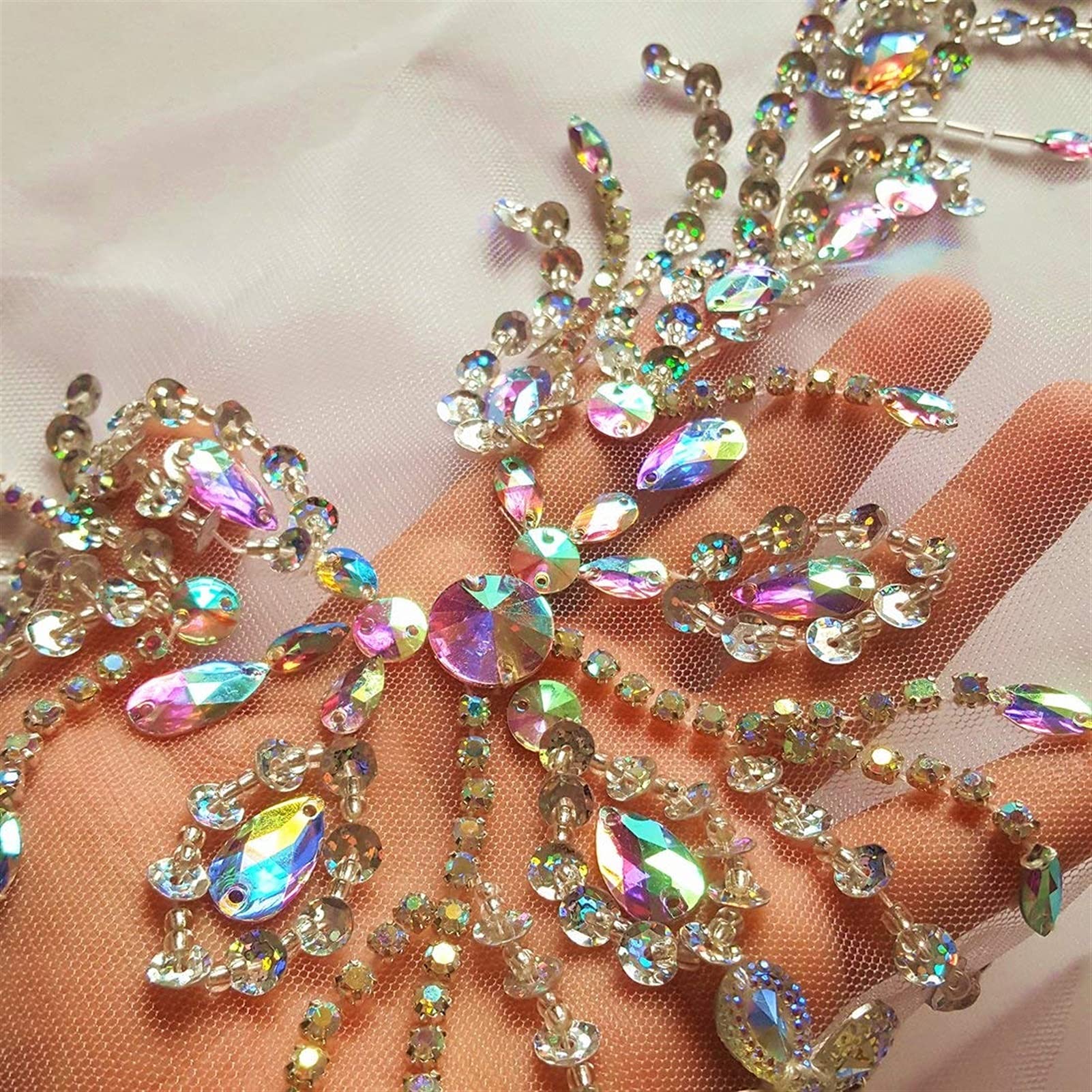
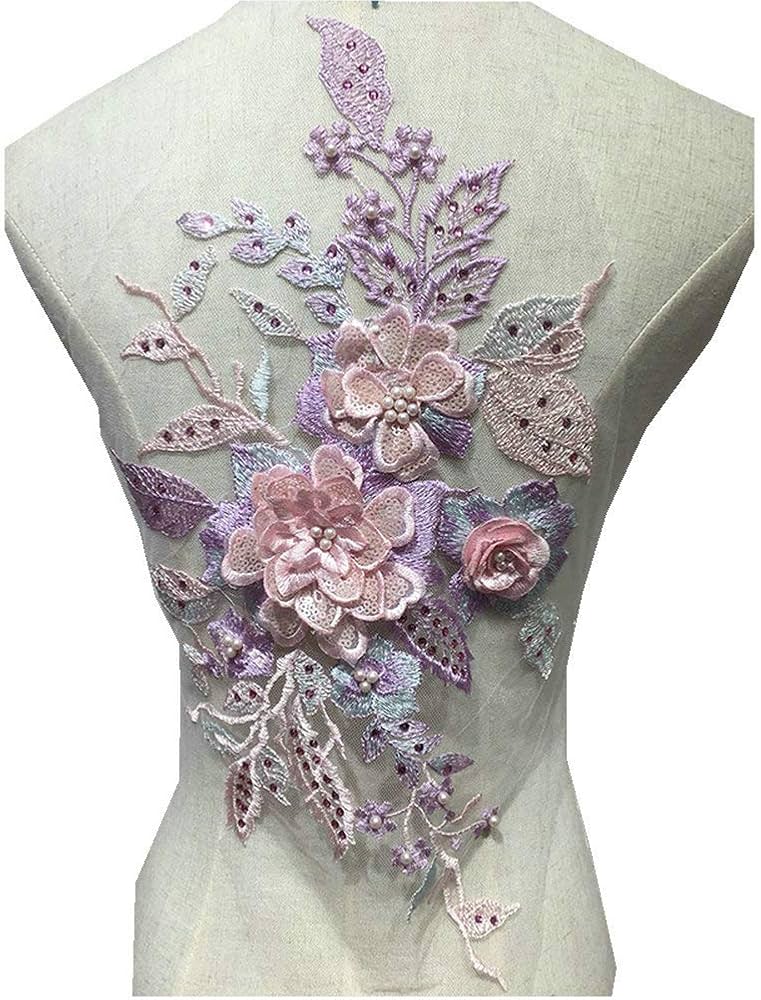
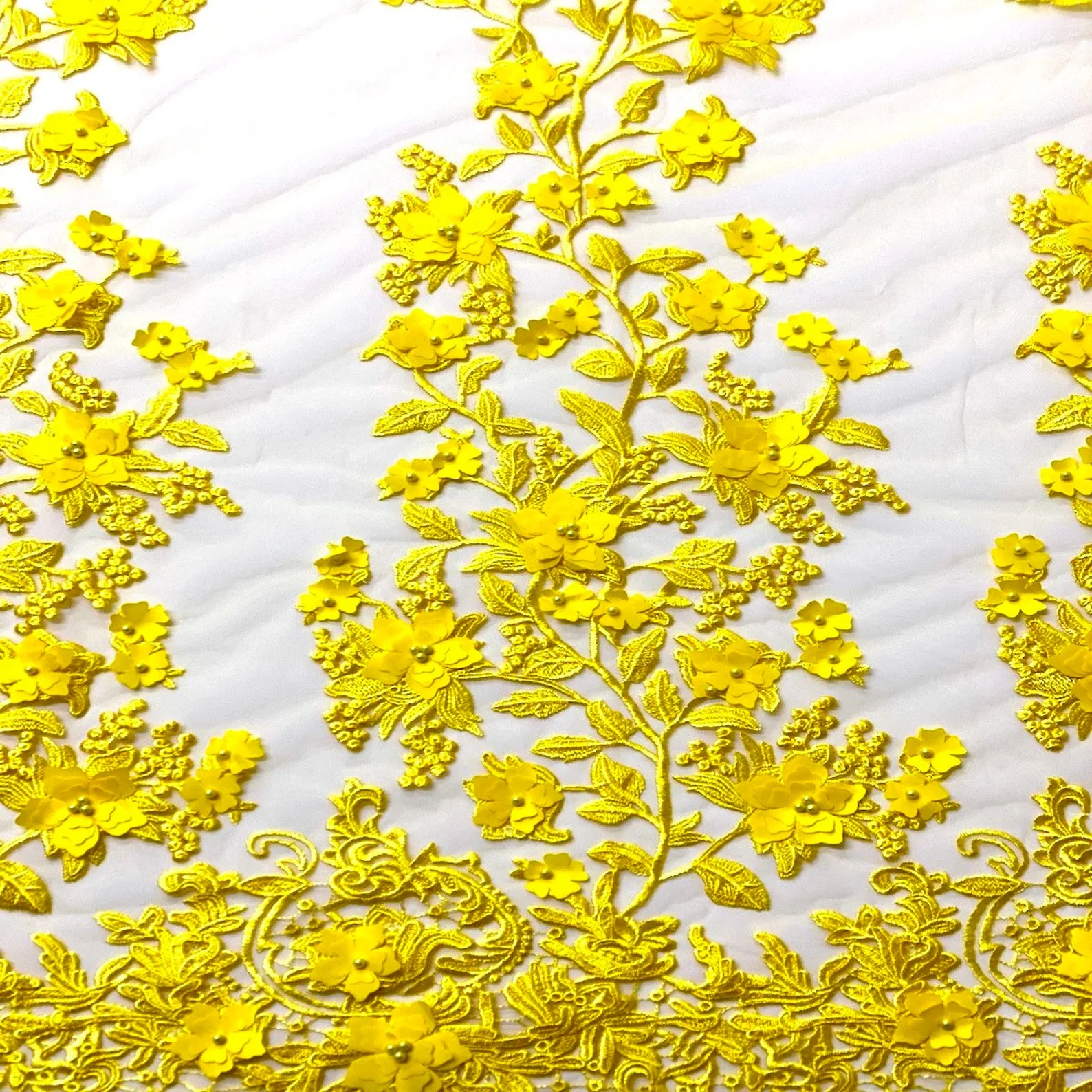
Beaded and sequin appliques are pre-embellished decorative motifs made using beads, sequins, rhinestones, pearls, or crystals. Lace borders, on the other hand, are decorative trims often used along hems, necklines, sleeves, and edges.
Together, they offer a balanced solution:
-
Appliques provide focused decoration
-
Lace borders add structure and flow
They can be sewn or glued onto fabrics and work across fashion, embroidery, and interior décor.
Features and Benefits
1. Instant Visual Impact
Beads, sequins, and rhinestones reflect light naturally. Even small appliques can dramatically change how a garment looks under stage lights, wedding lighting, or photography.
2. Cost-Effective Decoration
Instead of buying fully embellished fabric, designers can place appliques only where needed—saving material and labor costs.
3. Design Flexibility
Appliques come in floral, geometric, vintage, and abstract designs. Lace borders range from delicate to bold, allowing easy adaptation to trends.
4. Easy Customization
Designers can trim, layer, or reposition appliques to create unique layouts. Lace borders can be cut to length without damaging the pattern.
5. Time-Saving for Production
Using ready-made appliques reduces embroidery time, making them ideal for bulk orders or tight deadlines.
Uses in Fashion, Embroidery, and Home Décor
Fashion & Apparel
-
Bridal gowns and veils
-
Evening dresses and cocktail wear
-
Sarees, lehengas, abayas, and kaftans
-
Jackets, blouses, and ethnic wear
Designers often place rhinestone appliques at waistlines, necklines, or backs to create focal points.
Embroidery & Craft
-
Hand embroidery enhancements
-
Costume design for stage performances
-
Dancewear and cultural outfits
Appliques blend well with hand stitching and machine embroidery, adding depth to existing work.
Home Décor
-
Cushion covers and throws
-
Curtain borders
-
Table runners and wall hangings
Lace borders are especially popular for soft furnishings, giving homes a handcrafted feel.
Real-World Examples / Case Studies
Case Study 1: Bridal Fashion Boutique
A bridal boutique in Mumbai switched from fully embroidered bodices to hand-sewn rhinestone appliques on plain satin gowns.
Result:
-
30% reduction in production costs
-
Faster delivery timelines
-
Increased customer satisfaction due to custom placement
Clients appreciated the sparkle without excessive heaviness.
Case Study 2: Evening Wear Designer
A Dubai-based designer used sequin lace borders on minimal evening dresses. Instead of heavy fabric, borders were applied to hems and sleeves.
Result:
-
Lightweight garments
-
Strong visual contrast
-
Higher repeat customer orders
Case Study 3: DIY Home Décor Brand
An Etsy seller upgraded cushion covers using lace borders and small bead appliques.
Result:
-
Higher product pricing
-
Better online photos
-
Increased perceived value
Why They Remain Popular
Trends change, but embellishment never disappears. Beaded appliques and lace borders remain relevant because they adapt easily. They fit both modern minimalism and traditional luxury.
They also meet today’s needs:
-
Sustainability (less waste)
-
Custom fashion demand
-
Handmade and slow-fashion trends
Whether mass production or handcrafted design, these elements offer a middle ground between creativity and efficiency.
FAQs
1. What fabrics work best with beaded appliques?
Medium to heavy fabrics like satin, velvet, net, tulle, and organza support the weight well.
2. Can lace borders be washed?
Yes, but hand washing or gentle cycles are recommended to protect beads and sequins.
3. Are rhinestone appliques heavy?
They can be, depending on stone density. Designers often reinforce fabric or limit placement areas.
4. Can beginners use appliques?
Absolutely. Many appliques are beginner-friendly and require basic sewing skills.
5. Are lace borders reusable?
If removed carefully, lace borders can be reused, especially in home décor or craft projects.
Conclusion
Beaded and sequin appliques paired with lace borders solve a common design problem: how to add beauty without complexity. They offer flexibility, efficiency, and creative freedom across fashion, embroidery, and home décor.
From bridal gowns to living rooms, these embellishments continue to shape design choices because they work. They save time, reduce costs, and elevate the final look—making them a smart choice for professionals and hobbyists alike.