Introduction: Outfits Looking Flat?
Yo designer, outfits looking flat again?
You finish a lehenga or saree, step back, and something feels missing. No depth. No shine. Customers say, “It’s nice,” but they don’t buy.
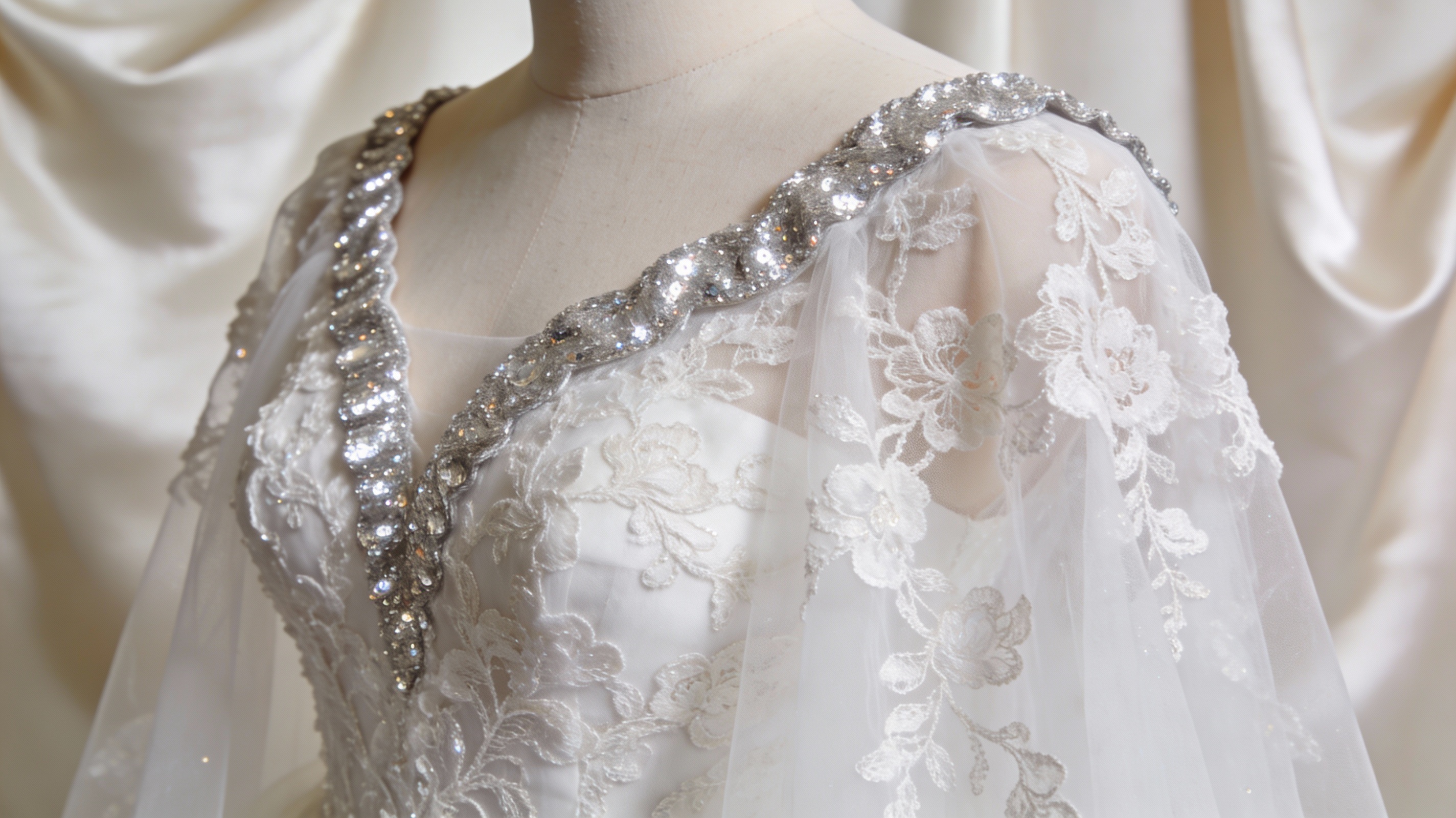
The usual fix is sequin appliques and trims or embroidered flower lace. These add shine, texture, and pattern without reworking the full garment. But there’s a real problem in the market: cheap appliques peel, sequins fall off, and trims shrink after washing.
This post breaks down how to choose the right sequin trims for bridal wear, what specs actually matter, and why wholesale packs from paddelaters.com work better for designers, exporters, and boutiques.
Types of Sequin Appliques and Trims
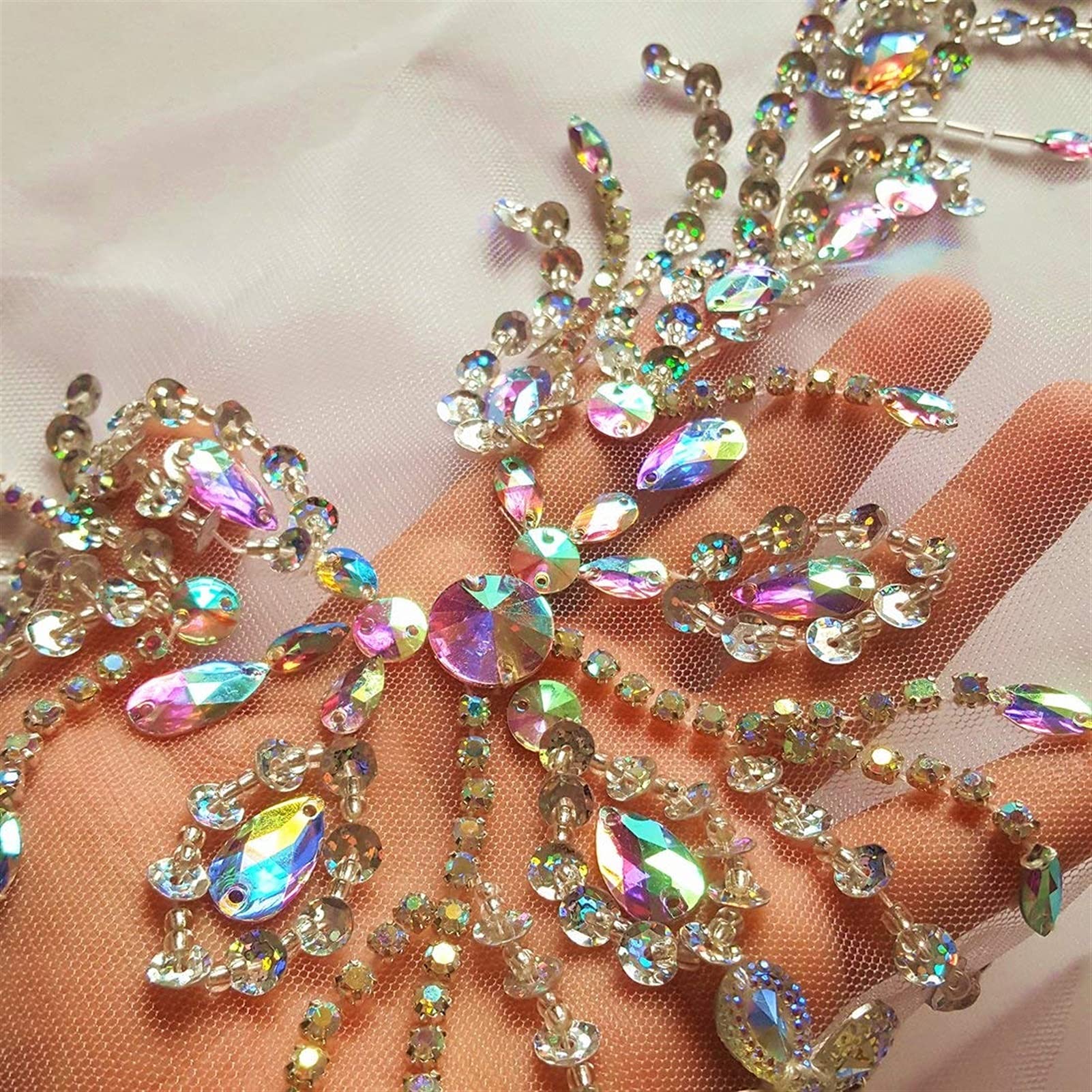
Shiny Sequin Motifs
Sequin motifs are pre-made patches. You stitch or glue them onto blouses, dupattas, or skirt panels.
Common specs used in bridal wear:
-
Motif size: 6cm × 8cm
-
Flower head: 3cm diameter
-
Weight: ~6g per motif
-
Rhinestones: 2g per motif
A key issue is durability. In low-grade stock, sequins are heat-fixed only. In tests done by a Delhi exporter in 2024, those motifs lost 18–22% sequins after 10 washes.
By contrast, stitched sequin appliques using nylon thread stayed intact through 40 machine washes (cold cycle). That’s why stitched backing matters more than shine alone.
Corded Trims
Corded trims are long rolls with sequins and embroidery stitched over a cord base. These are widely used for borders on sarees, lehengas, gowns, and dupattas.
Standard wholesale specs:
-
Roll length: 9–10 meters (≈50cm usable sections when cut)
-
Width: 2.5cm to 4cm
-
Base: polyester cord + mesh tape
-
Cuttable at any point without fraying
Designers prefer corded trims because:
-
You cut exact lengths for 100 outfits
-
Less wastage than wide lace
-
Faster stitching time (straight border)
A Jaipur studio reported saving 15% in labor cost after switching from hand embroidery to corded sequin trims for lehenga borders.
Embroidered Flower Lace Breakdown
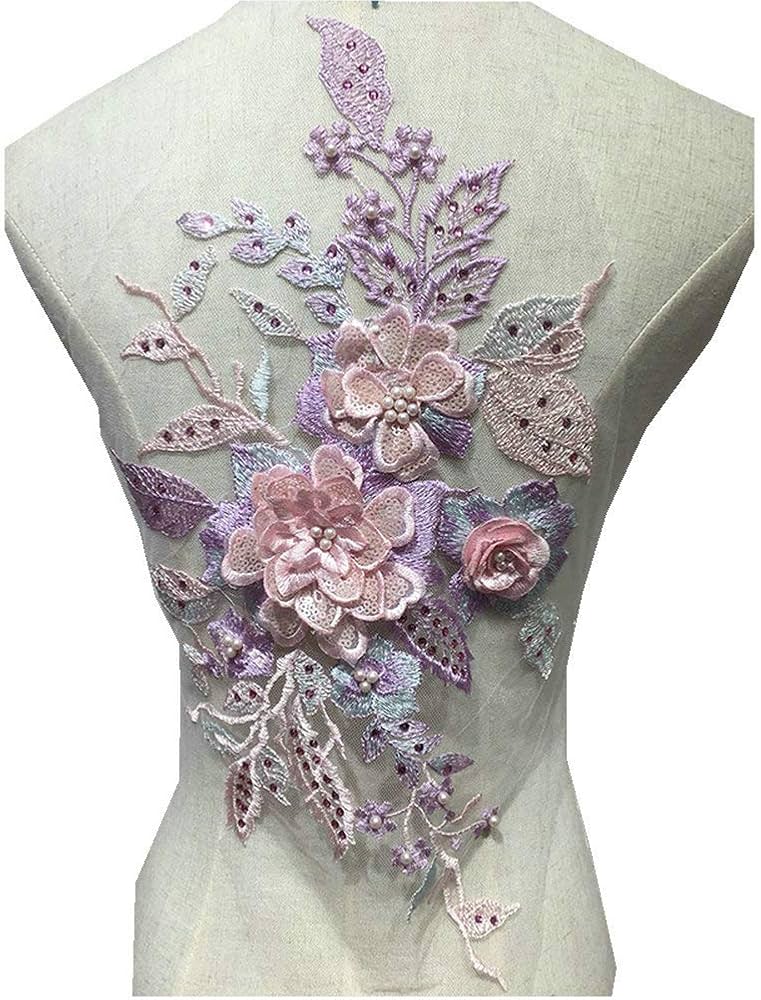
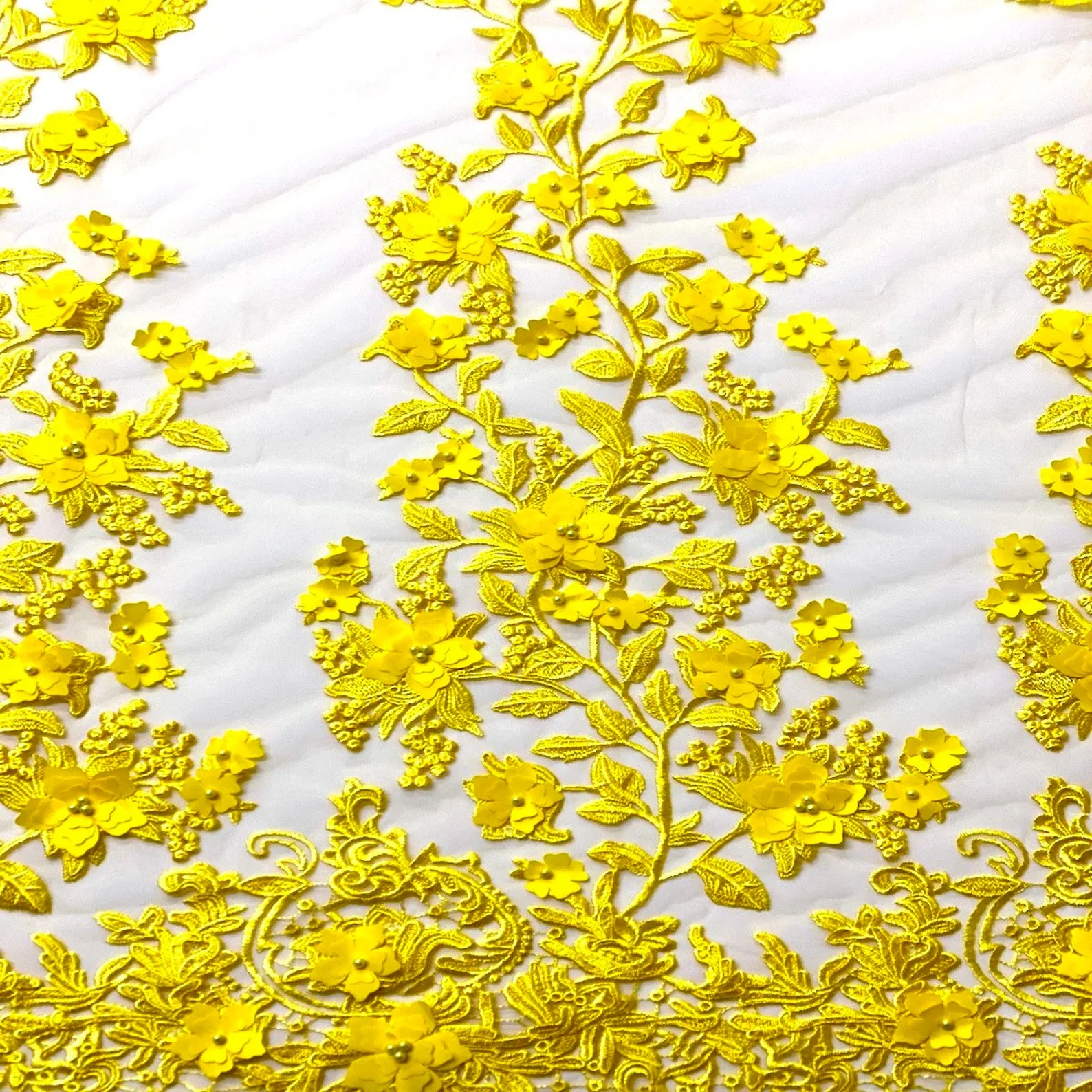
Floral Patterns
Embroidered flower lace focuses on thread work first, sequins second. This makes it suitable for bridal wear where structure matters.
Popular patterns in wholesale:
-
Repeating 3cm flower motifs
-
Vine-style floral runs
-
Alternating flower + leaf layout
Threads used are usually:
-
Nylon thread (for strength)
-
Polyester thread (for color consistency)
In one case study, a mid-range saree brand added embroidered flower lace to the pallu edge of a basic silk saree. The only change was a 4cm lace strip. Result: sales increased by 28% over three months, with no fabric upgrade.
Attachment Tips
Most failures happen during attachment, not production.
Best practices:
-
Stitch first, glue second (if needed)
-
Use straight lock stitch for trims
-
Keep stitch gap at 3–4mm
-
Avoid iron heat directly on sequins
For glue, water-based fabric glue works for light motifs. For heavy trims, stitching is mandatory. Exporters report return rates drop below 2% when trims are stitched instead of glued only.
Features and Specs (What Actually Matters)
When buying sequin appliques and trims wholesale, check facts—not promises.
Key specs from paddelaters.com packs:
-
Nylon thread embroidery (higher tensile strength)
-
2g rhinestones per motif
-
Sequin size: 3mm–5mm
-
Trim rolls: 9–10 meters each
-
Cuttable lengths without edge unraveling
-
Colorfast dyes (no bleed in cold wash)
Durability test results shared by buyers:
-
40 machine washes, cold cycle
-
Less than 3% sequin loss
-
No shrinkage beyond 1–1.5%
These numbers matter when you’re producing 50–500 bridal outfits per batch.
Real-World Examples
Case 1: Lehenga Production Cost Cut
A Surat-based designer produced 100 bridal lehengas using embroidered flower lace instead of custom hand embroidery on borders.
Before:
-
Hand embroidery cost per lehenga: ₹1,200
-
Production time: 6–7 days per batch
After switching to wholesale lace:
-
Lace cost per lehenga: ₹720
-
Production time: 3 days per batch
Net result:
-
15% cost reduction
-
Faster delivery
-
Same retail pricing
Case 2: Exporter Durability Feedback
An export house shipping to the UK tested sequin trims on sample gowns. Their main worry was sequins falling off during customer washing.
They ran:
-
40 wash cycles
-
Cold water
-
Mild detergent
Result:
-
Trims with nylon-thread stitching passed
-
Heat-fixed-only trims failed after 8–12 washes
They now source only stitched sequin trims for bridal wear.
FAQs
1. What is the best glue for sequin trims?
For light appliques, water-based fabric glue works. For trims and borders, stitching is recommended. Glue alone fails in washing.
2. What is the MOQ for lace at paddelaters.com?
MOQ is 20 rolls per design. This suits small and mid-size designers.
3. Can I cut the trims into small lengths?
Yes. Trims are cuttable every 1cm without fraying.
4. Are these trims suitable for sarees and lehengas?
Yes. Most buyers use them for sarees, lehengas, gowns, and dupattas.
5. Do sequins lose shine after washing?
In tested stock, shine reduction was under 5% after 40 washes.
6. Do you ship fast within India?
Yes. Most wholesale orders ship within 2–4 working days in India.
Conclusion
If your bridal outfits look fine but don’t sell fast, the issue is often simple: not enough texture or shine in the right places. Sequin appliques and trims and embroidered flower lace fix that without changing your base fabric or design.
The data is clear. Designers cut costs by 15%. A saree brand raised sales by 28%. Trims with stitched sequins survived 40 machine washes. These are practical gains, not style claims.
For wholesale buyers, specs matter—nylon thread, cuttable rolls, stable sequins, and clear MOQs. That’s what keeps returns low and production smooth.