Introduction
Lace embroidery, sequins, and appliques are three timeless techniques that have stood the test of time in both fashion and home decor. Whether it’s adding a touch of elegance to a dress, enhancing the design of a home textile, or crafting unique accessories, these decorative methods play an essential role in elevating the aesthetic appeal of an item. Their popularity spans across centuries, from intricate designs in royal attire to modern-day embellishments used by fashion brands and DIY enthusiasts alike. In this blog post, we'll explore the different types, materials, and techniques behind lace embroidery, sequins, and appliques, and how they’ve become integral to today’s creative industries.
Features
Lace Embroidery
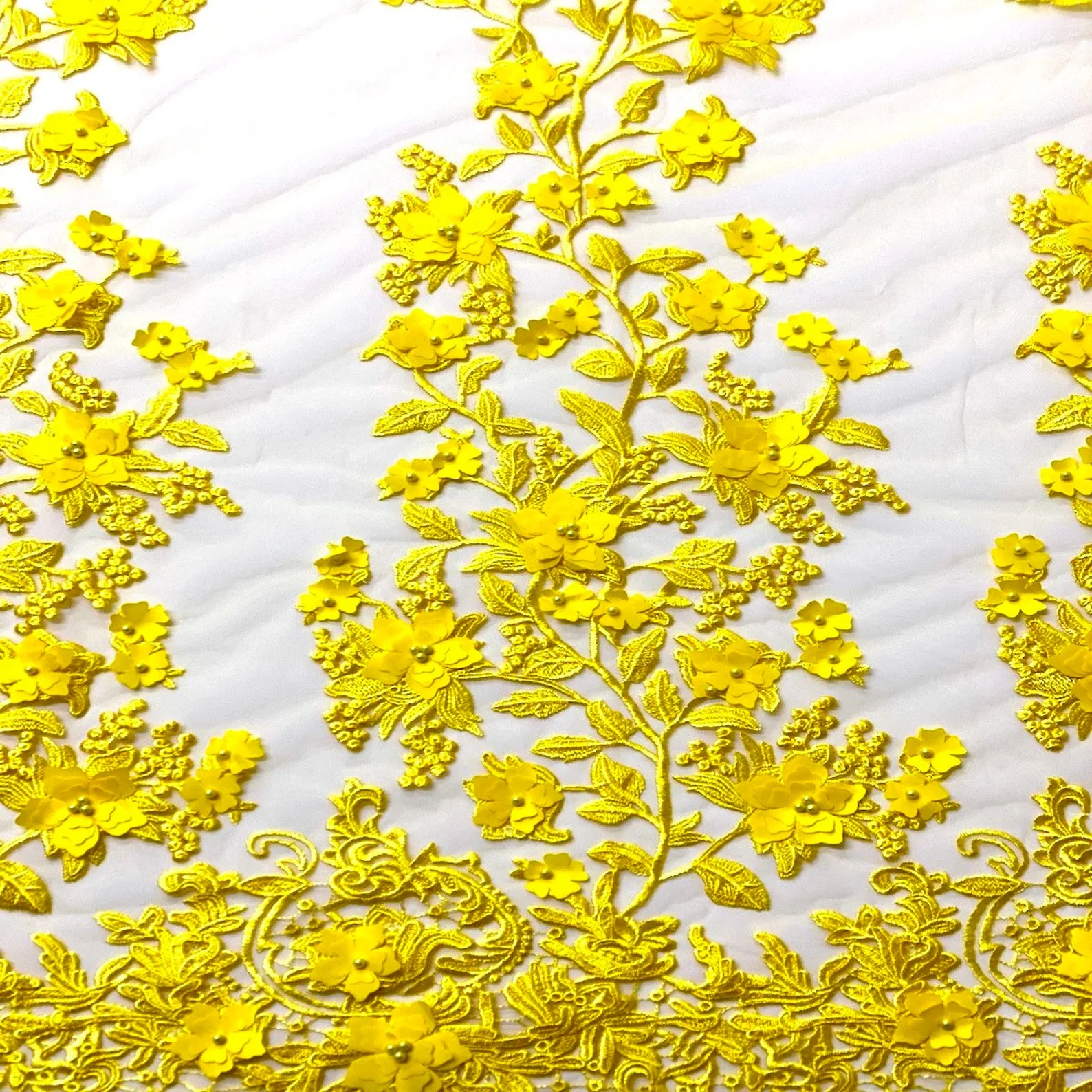
Lace embroidery is a decorative sewing technique that combines delicate lacework with thread embroidery. Historically, lace was handwoven from threads such as silk, linen, or cotton. Today, it’s also created using machine methods, which have expanded the possibilities for intricate designs. Lace embroidery is often used for embellishing garments like wedding dresses, bridal veils, and even tablecloths. The beauty of lace lies in its detailed, open weave, which allows for beautiful stitching to show through. Lacework can be added as borders or as larger decorative patches, and it can come in various forms such as floral, geometric, or antique styles.
Sequins
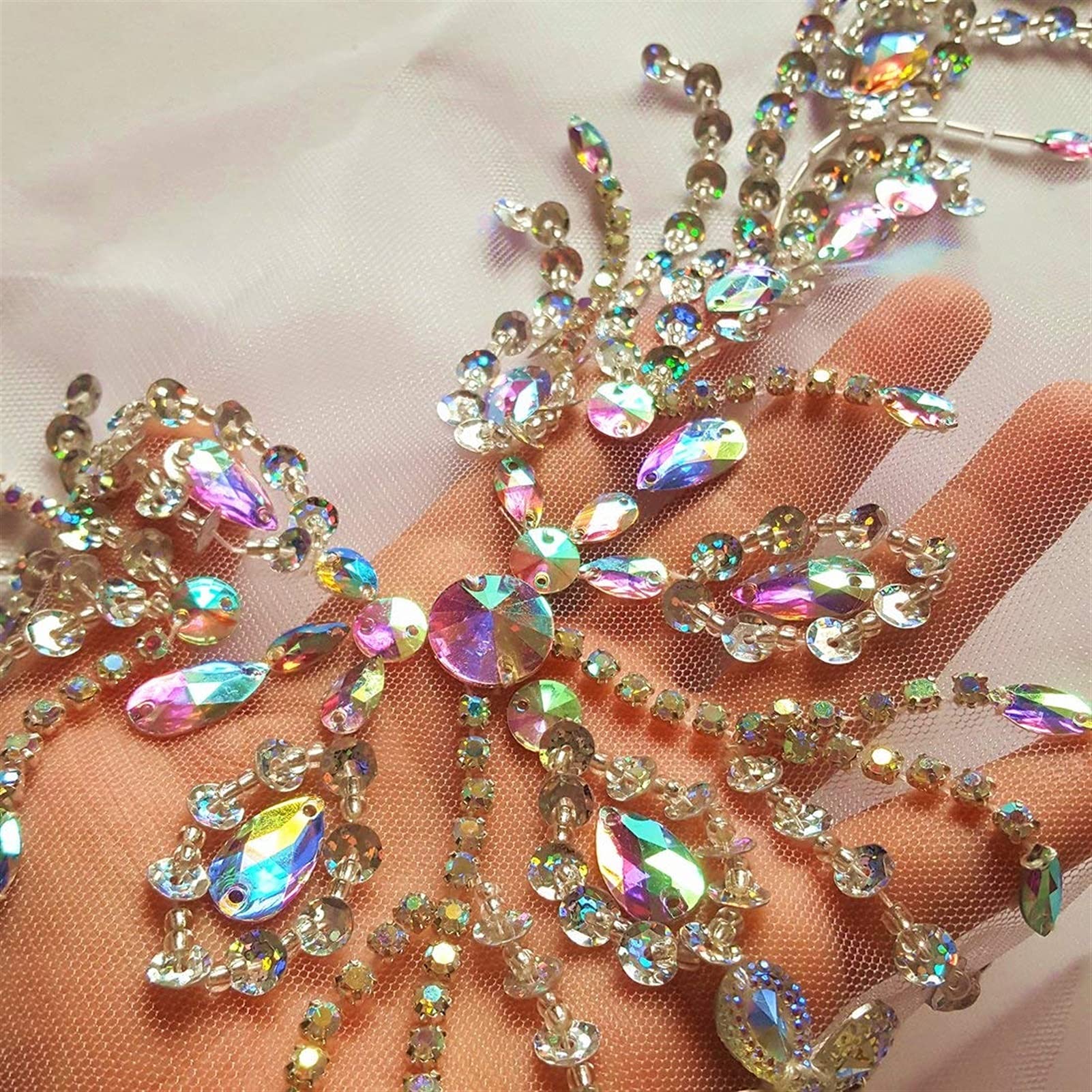
Sequins are small, shiny, reflective discs, usually made from plastic or metal, that are sewn onto fabric to create a sparkling effect. Originally, sequins were made from fish scales, but they have since evolved into versatile embellishments used in fashion and decor. Sequins are commonly found on evening wear, festive outfits, or accessories like handbags and shoes. They come in different shapes, sizes, and colors, making them a go-to choice for adding a glamorous, eye-catching touch to any project. Sequins can be sewn on individually or in patterns, allowing for various styles ranging from subtle shimmer to full-on sparkle.
Appliques
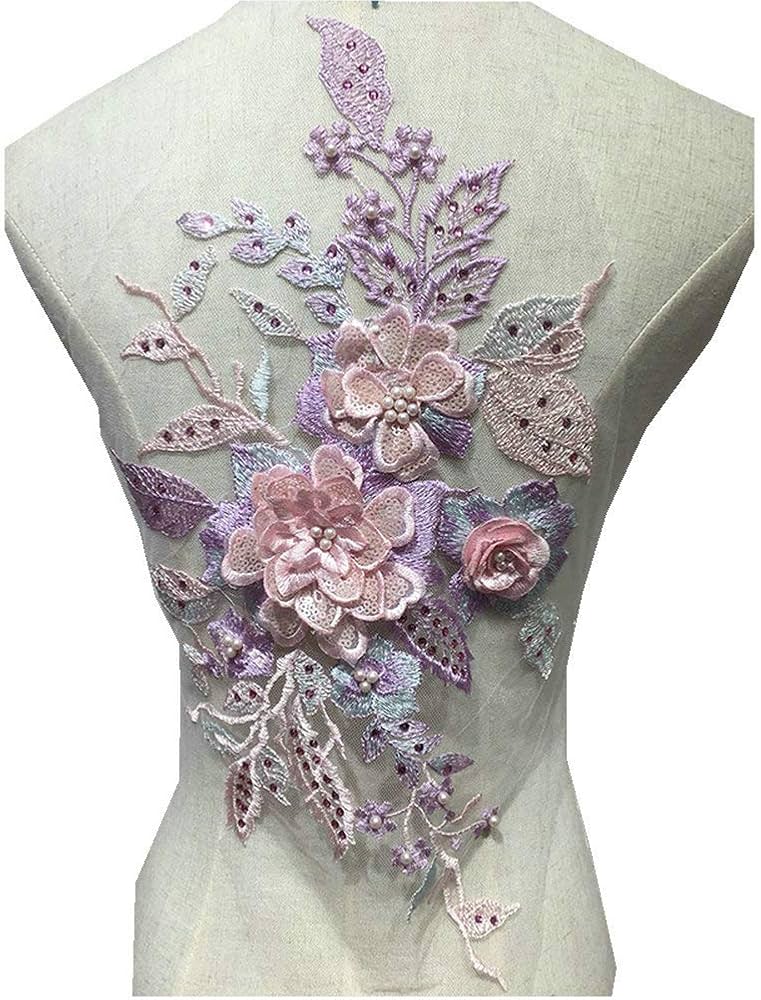
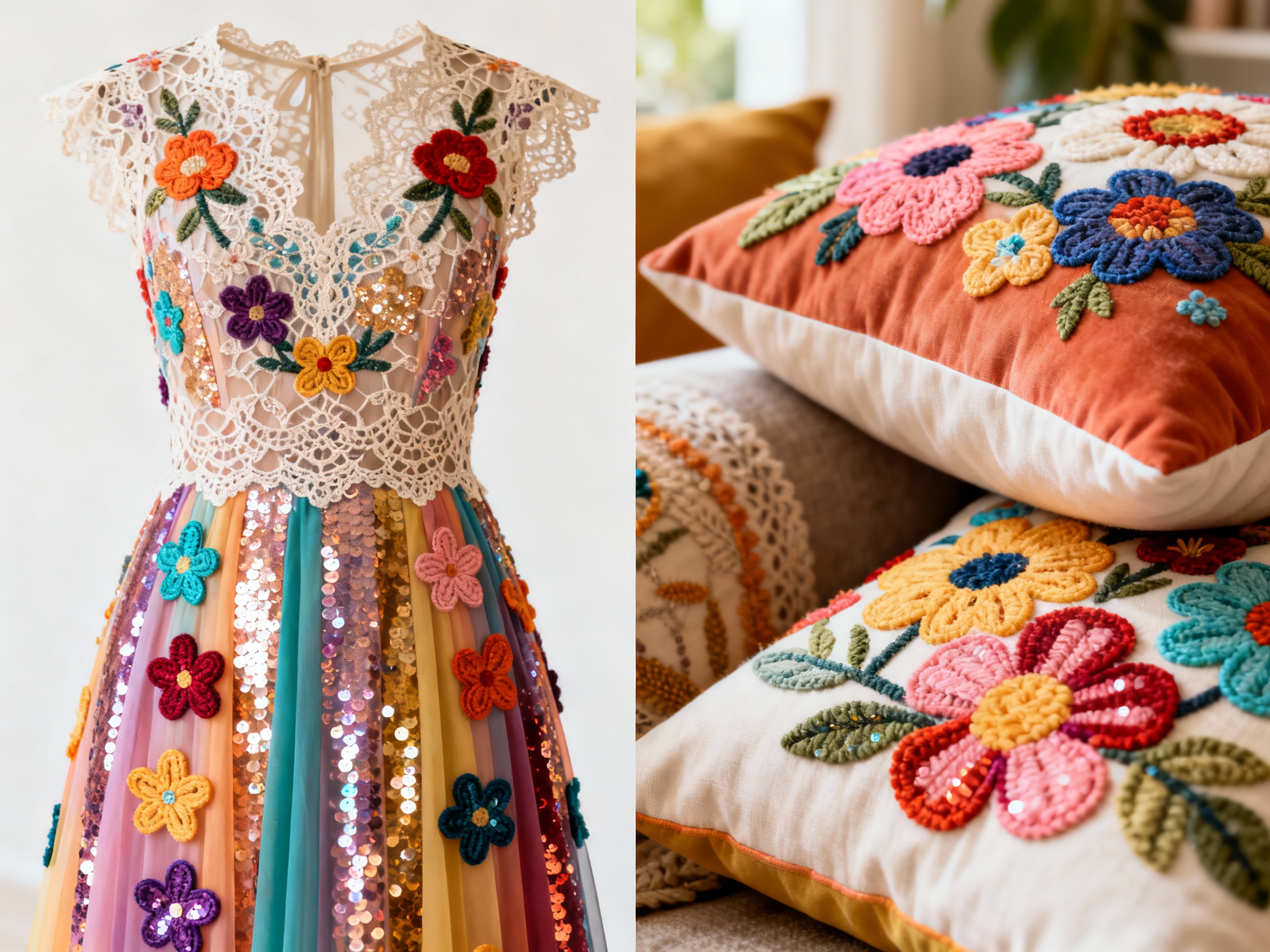
Appliques involve attaching a decorative element to a base fabric, which is often done using stitching or adhesive. These elements can be made from various materials, such as lace, felt, leather, and even sequins. Appliques add texture and dimension to a garment, often used to create a focal point or emphasize a design element. In fashion, appliques are commonly used to adorn garments like dresses, jackets, and accessories, but they also have a place in home decor, such as pillows, curtains, and bed linens. One of the key benefits of appliques is their versatility—they can be made in numerous shapes, patterns, and textures to match the specific style of any project.
Real-world Examples
-
Fashion Industry - Vera Wang Bridal Collection
In the fashion world, lace embroidery has been a hallmark of bridal collections, and few designers do it better than Vera Wang. The renowned bridal designer frequently incorporates intricate lace embroidery in her wedding gowns, giving them an elegant and timeless feel. In her 2018 bridal collection, many of the dresses featured lace appliques and embroidered floral patterns, combining modern design with traditional techniques. This fusion of delicate lace and embroidery enhances the richness of the gown, making it a standout piece for brides on their special day. These kinds of embellishments have continued to be popular across bridal and evening wear collections due to their versatility and timeless appeal. -
Home Decor - Pottery Barn Textiles
Home decor brands like Pottery Barn have used sequins and appliques to enhance their range of textiles, especially in throw pillows and bed linens. Sequined designs are added to fabric for an extra touch of elegance and sophistication. For example, Pottery Barn’s throw pillows often feature sequins sewn in patterns that reflect light, creating a sparkling effect. The use of sequins and appliques on home textiles is a practical way of adding personality and warmth to a living space. These decorative elements are particularly popular in festive home decor, where they bring a sense of celebration and luxury to everyday living environments.
FAQs
1. How durable are lace embroidery, sequins, and appliques?
The durability of these decorative techniques largely depends on the materials used and the quality of the stitching. High-quality lace, when properly maintained, can last for many years. Sequins are generally durable, but they can lose their shine or fall off if the fabric undergoes frequent wear and tear. Appliques, especially if attached with strong stitching or adhesives, are also fairly durable but may need occasional repairs if they get snagged or damaged.
2. Are these techniques expensive to incorporate?
The cost can vary depending on the complexity of the design and the materials used. High-quality lace, intricate embroidery, or luxury sequins can be pricey, but simpler designs and materials like synthetic lace or plastic sequins are more affordable. The cost also depends on whether the work is done by hand or machine. Custom appliques or embroidered designs can add to the expense, but they often bring a high value in terms of the uniqueness they add to an item.
3. Can I create these designs myself at home?
Absolutely! Many DIY enthusiasts use these techniques to customize their own clothing and home decor. Lace embroidery and appliques can be sewn on by hand, or you can use a sewing machine for faster, more uniform results. Sequins can be sewn or glued onto fabric, and there are many tutorials online to help beginners learn these techniques. DIY kits for embroidery and applique are widely available, making it easy for anyone to get started with these embellishment methods.
4. How do I care for items with lace, sequins, or appliques?
Items with lace, sequins, or appliques require careful care to maintain their appearance. Lace should be washed gently and air-dried to avoid damage. Sequins may need to be hand-washed or dry-cleaned to prevent them from losing their shine or falling off. Appliques should be checked regularly to ensure they are still securely attached, and any loose threads or areas should be re-stitched or glued as needed. Always follow the care instructions for the specific materials used in your project.
Conclusion
Lace embroidery, sequins, and appliques are not just decoration; they are creative tools that enhance the beauty and individuality of garments, accessories, and home decor. These techniques have been passed down through generations, constantly evolving to meet modern tastes while retaining their timeless appeal. From intricate lacework on a bridal gown to shimmering sequins on a throw pillow, these embellishments offer countless ways to elevate any project. Whether you're a professional designer or a DIY enthusiast, incorporating lace, sequins, and appliques into your creations can result in a stunning, personalized piece that stands out for all the right reasons.
By understanding the features, practical applications, and care tips for these techniques, you can confidently use them to enhance your fashion or decor projects. The versatility of lace embroidery, sequins, and appliques is what makes them enduring favorites in the world of design—and they’re sure to continue shining brightly for years to come.