Introduction
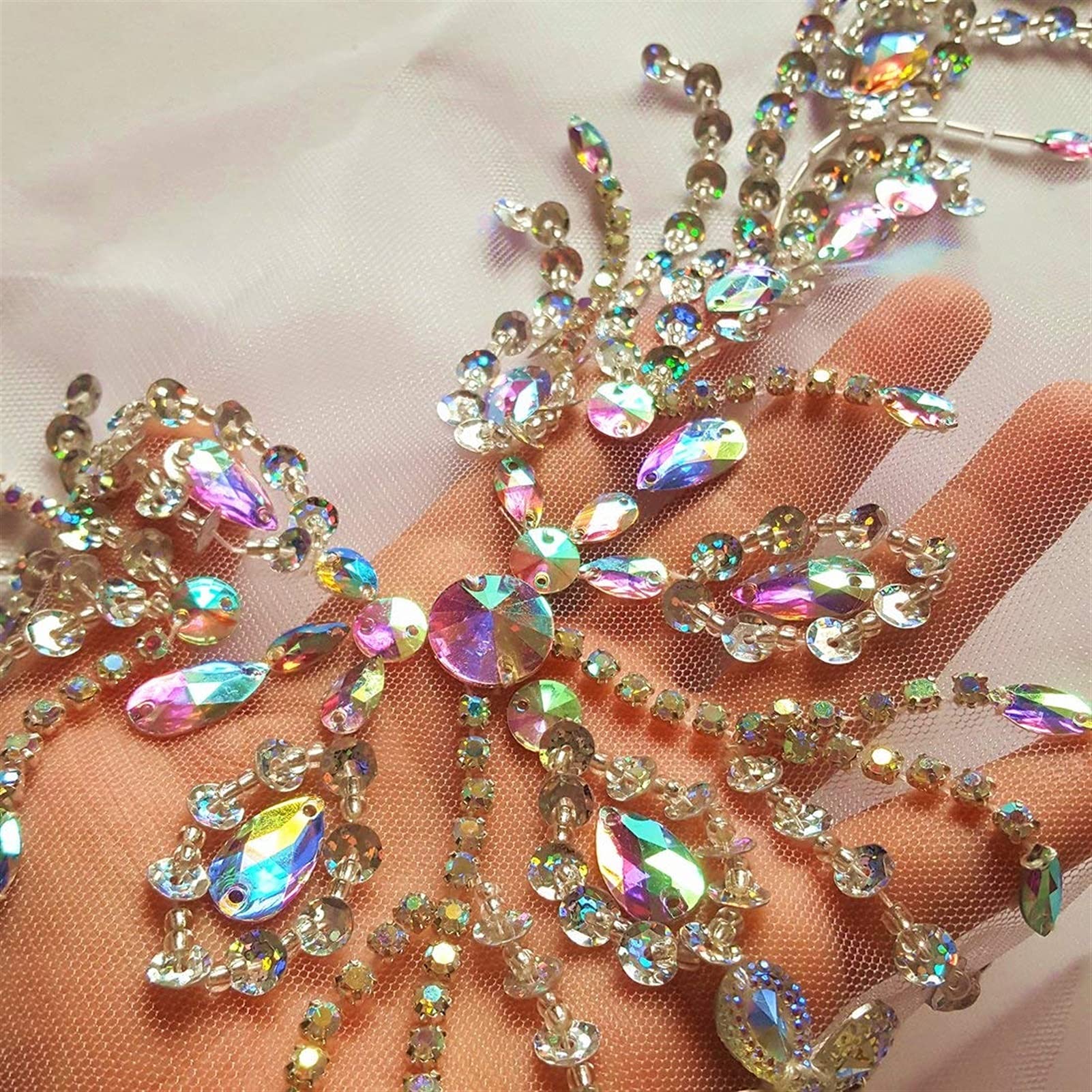
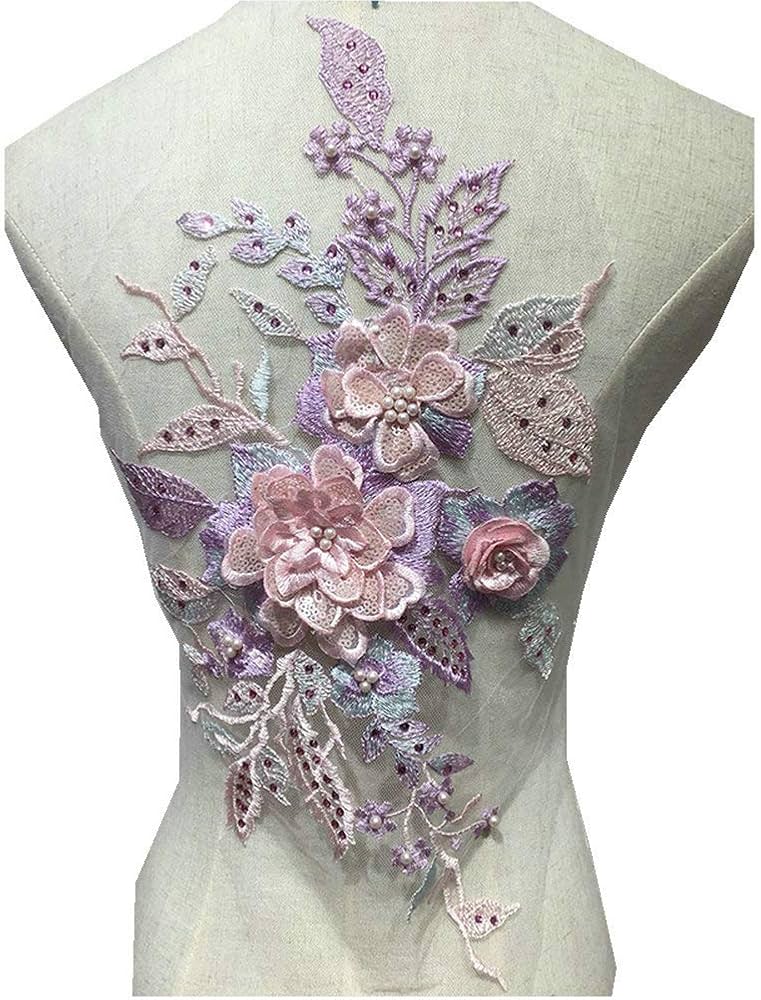
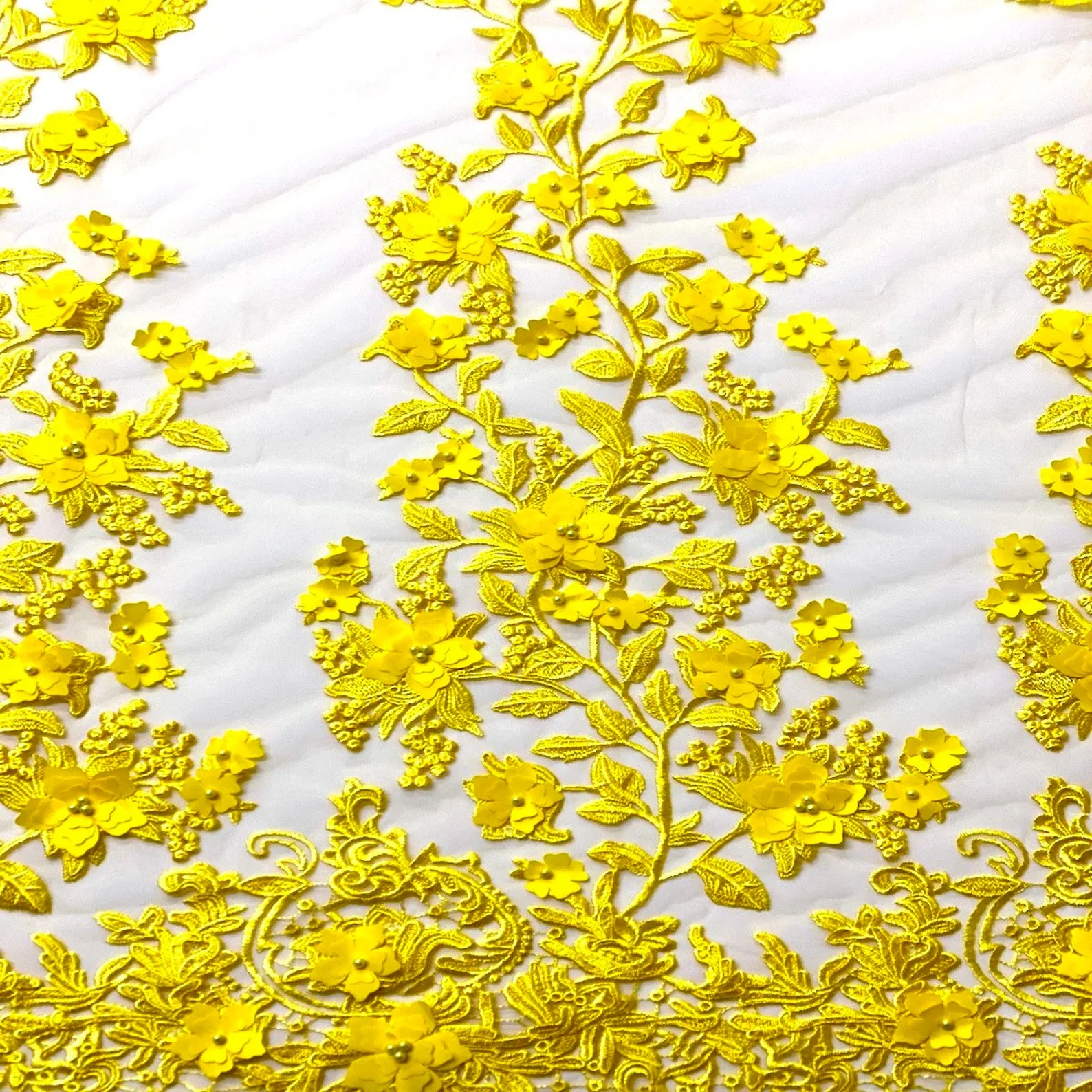
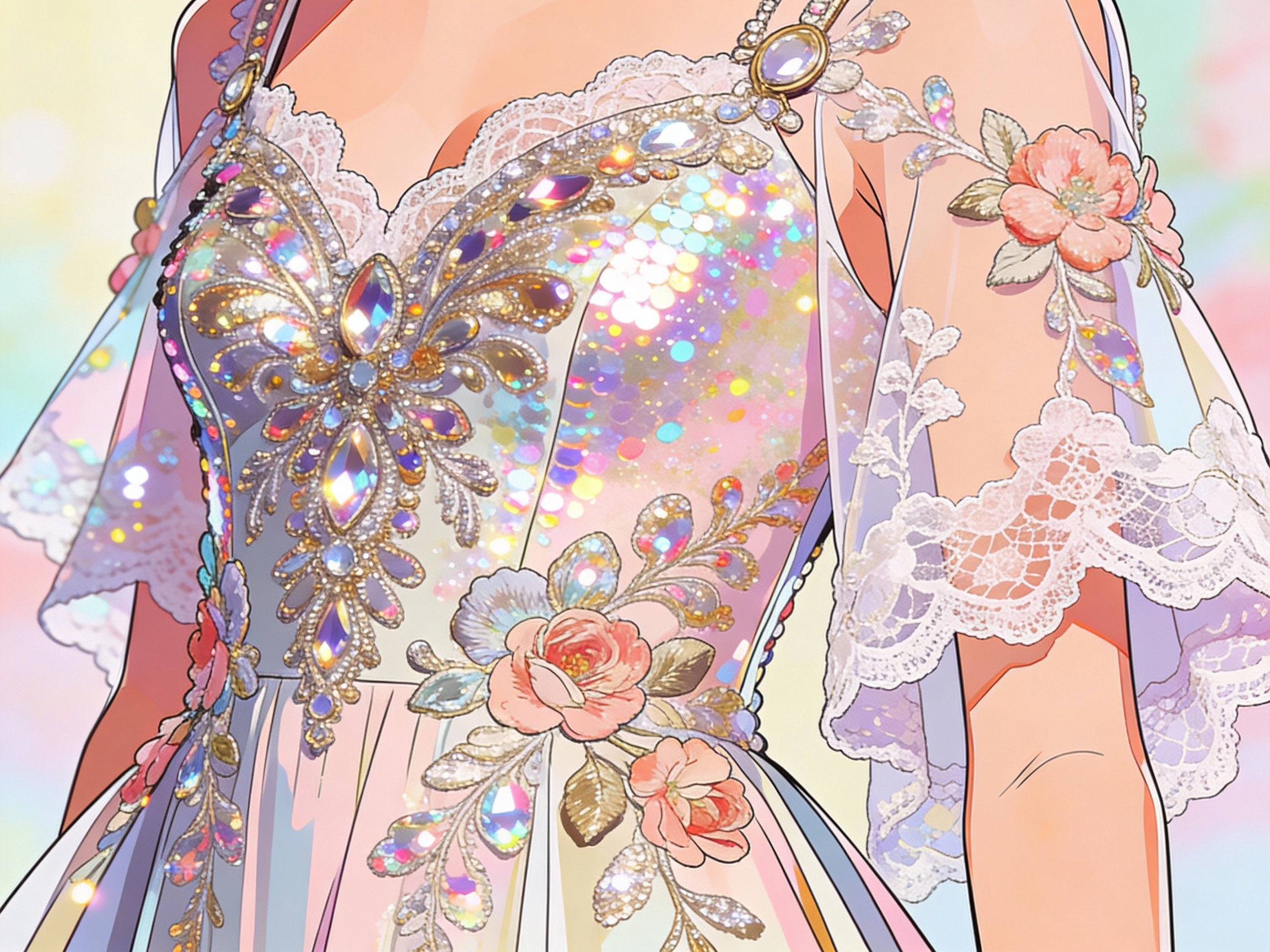
Sequins, appliques, and floral lace are staples in the fashion and embroidery world. These embellishments add beauty, texture, and sophistication to garments, making them stand out in the most elegant and creative ways. From bridal gowns to casual wear, designers and crafters use these materials to bring their visions to life. Whether it’s the sparkle of sequins, the delicate patterns of floral lace, or the luxury of rhinestone appliques, these elements can transform a simple piece of fabric into something truly spectacular.
But as useful as these embellishments are, they come with their own set of challenges. Choosing the right materials, ensuring durability, and maintaining visual appeal can be tricky for both professionals and hobbyists. In this blog post, we will look at the problems designers and creators face when using sequins, appliques, and floral lace, the frustrations caused by poor-quality materials, and how these embellishments can serve as the perfect solution.
Problem: Common Challenges with Sequins, Appliques, and Floral Lace
Designers and crafters often face several issues when incorporating sequins, appliques, and floral lace into their projects. These materials can be delicate and tricky to work with, requiring careful selection to ensure the end result is both beautiful and durable. Below are some of the most common problems:
1. Choosing the Right Material
There is a wide range of sequins, appliques, and floral lace options on the market, and not all of them are created equal. With so many variations in quality, it’s easy to end up with embellishments that are either too fragile or don’t meet the desired visual effect. For example, poor-quality sequins might not reflect light as well as high-quality ones, or lace appliques may lack the intricate detailing needed for a specific design.
2. Durability Issues
One of the most significant concerns with sequins, appliques, and lace is durability. For garments that will be worn frequently or washed often, such materials can start to degrade over time. Sequins may fall off, beads might become loose, or lace could start to fray. This can be especially frustrating if the embellishment is central to the design of the garment, as it may compromise the overall aesthetic and longevity of the piece.
3. Mismatched Textures
Another issue is matching different materials in a design. Floral lace, for instance, has a delicate texture, which might not always pair well with heavier fabrics or bulkier appliques. Designers often struggle to combine textures without making the garment look cluttered or mismatched. This can be particularly tricky when working with rhinestone or sequin appliques, which require careful placement to avoid overpowering the base material.
4. Cost and Sourcing Difficulties
Sourcing high-quality sequins, appliques, and lace can also be challenging, particularly for smaller businesses or independent designers. Many high-end embellishments come at a premium price, making it difficult to keep costs low while ensuring the designs remain luxurious. Additionally, sourcing these materials in bulk or specific patterns can lead to delays or limited availability, making timely production a challenge.
Agitate: The Frustrations of Poor-Quality or Mismatched Materials
When these problems go unaddressed, the consequences can severely affect the outcome of a project. Poor-quality materials can lead to designs that don’t meet your expectations or, worse, fall apart after just a few wears. Imagine spending hours, or even days, on a delicate bridal dress adorned with sequins, only to have them lose their sparkle after one wash. Or picture a gown that was meant to be light and airy, but because of poorly matched lace and appliques, it looks bulky and overdone.
The frustration doesn’t end there. When textures clash, the design loses its harmony. You may have envisioned a simple, elegant look, but because the lace doesn’t pair well with the fabric, the result feels chaotic. For designers working under tight deadlines, these issues can lead to stress, missed deadlines, and costly revisions. Poor-quality embellishments not only affect the aesthetics but also your reputation as a designer or brand. If customers are disappointed in the durability or appearance of a garment, they may not return, and your brand’s image could suffer.
In the worst cases, these issues might force designers to rework entire collections or scrap projects altogether. This can lead to additional costs, delays, and the loss of valuable time, all of which can be detrimental to the success of a business.
Solution: How Sequins, Appliques, and Floral Lace Solve the Problems
Despite the challenges, there are clear solutions for designers who want to work with sequins, rhinestone appliques, and floral lace while avoiding the pitfalls mentioned above. By focusing on quality, sourcing wisely, and using the right techniques, designers can successfully integrate these materials into their designs, creating stunning and durable pieces.
1. High-Quality Sequins and Appliques
The first step in overcoming these challenges is to choose high-quality sequins and appliques. Look for embellishments made with premium materials that are built to last. For example, sequins made from durable polyester or glass will reflect light more brilliantly and hold up better during wear and washing. Similarly, rhinestone appliques should be made with high-quality rhinestones that are securely attached to the fabric. This ensures they stay intact and maintain their shine for the life of the garment.
2. Floral Lace Materials with Intricate Detailing
When working with floral lace, choose pieces that offer intricate designs and are made from sturdy materials such as cotton, polyester, or nylon. These types of lace are less likely to fray and will hold their shape over time. Floral lace also comes in a variety of textures, so designers can select one that complements the base fabric of the garment without overpowering it.
To achieve the perfect balance between delicate lace and other embellishments like sequins or rhinestone appliques, it's essential to use them in moderation. For example, apply lace in one area of the garment, and then use sequins or rhinestones on another section to create a balanced, elegant look.
3. Durable Construction and Application
Durability can be achieved through careful application. Whether you’re using sequins, rhinestone appliques, or floral lace, make sure to apply them securely. If you’re sewing them on, use strong threads, and consider reinforcing edges to prevent fraying or loosening over time. For fabrics that may be subjected to frequent wear, use a fabric adhesive that is both strong and flexible, allowing for a secure bond without compromising the garment’s integrity.
By investing in high-quality materials and taking the time to apply them properly, designers can ensure that their designs will stand the test of time.
Real-World Example: A Successful Fashion Brand
One notable example is the luxury brand Marchesa, known for its exquisite use of floral lace and appliques. The brand has built a reputation for creating stunning gowns that feature intricate lacework and embellishments, including sequins and rhinestones. By focusing on high-quality materials and expert application techniques, Marchesa has been able to deliver designs that are not only visually stunning but also durable, even for high-end fashion pieces that are worn for special occasions. Their ability to combine delicate textures with bold embellishments demonstrates how designers can effectively use lace and sequins to enhance their designs.
Features and Benefits of Sequins, Appliques, and Floral Lace
Sequins
Features: Available in a range of colors, sizes, and finishes. Sequins are typically made from polyester, acetate, or glass.
Benefits: Adds shine and dimension to garments. Ideal for evening wear or special occasions. Durable and long-lasting when applied correctly.
Appliques (Including Rhinestone Appliques)
Features: Appliques come in a variety of forms, from simple fabric cutouts to intricate designs adorned with rhinestones or beads.
Benefits: Versatile, easy to apply, and can be used to create unique, custom designs. Rhinestone appliques add sparkle and luxury to any piece.
Floral Lace
Features: Floral lace is made from delicate threads, often cotton, nylon, or polyester. It can be sheer or more substantial depending on the design.
Benefits: Adds texture and elegance. Can be used to create vintage or romantic designs. Durable when sourced from quality materials.
FAQs
1. Can I wash garments with sequins and lace?
Yes, but hand washing or using a delicate machine cycle is recommended to preserve the embellishments.
2. How do I secure rhinestone appliques onto fabric?
You can either sew them on using strong thread or use fabric adhesive for a more secure attachment.
3. How do I prevent lace from fraying?
Choose high-quality lace, and consider applying a fabric sealant along the edges to prevent fraying.
4. What fabrics work best with floral lace?
Floral lace works well with lightweight fabrics like chiffon, silk, and cotton, but can also be applied to heavier fabrics for a contrast in texture.
Conclusion
Sequins, rhinestone appliques, and floral lace materials are essential tools in creating high-quality, eye-catching designs. While working with these materials presents challenges such as durability and texture mismatches, using high-quality options and applying them carefully can lead to stunning, long-lasting results. By investing in the right materials and taking the time to apply them properly, designers can create garments that are not only beautiful but also practical and durable. Explore these materials for your next project, and you’ll see just how much they can elevate your designs.