Introduction
When it comes to adding a touch of elegance, charm, or sparkle to a garment, few things achieve the effect quite like floral lace, rhinestone, and sequin appliqués. These decorative embellishments have found a lasting place in fashion, especially in bridal wear, evening gowns, dance costumes, and even ready-to-wear collections like sarees or kurtis.
Whether you're a small designer or a boutique owner looking to elevate your creations, these materials can make a significant difference. But while they are widely available and popular, working with them effectively requires understanding their unique properties and how to best incorporate them into your designs.
In this post, we’ll explore the common challenges when using these materials, delve into how to avoid those pitfalls, and provide practical tips on how to make the most of floral lace, rhinestones, and sequins in your designs.
Problem: Challenges in Choosing and Using Appliqués
When designing with floral lace, rhinestone, or sequin appliqués, there are several common problems buyers and designers often face:
-
Confusion Over Quality: The market is flooded with various types of floral lace and appliqués, each offering different quality levels. It can be difficult to differentiate between premium and low-quality materials, especially when shopping online.
-
Durability Concerns: Poor-quality rhinestones or sequins may fall off easily, while lace may tear after just one wash. Ensuring your embellishments last through multiple wears and washes can be a challenge.
-
Pricing Discrepancies: The pricing for these materials can vary widely depending on factors like quality, design intricacy, and whether they are hand-sewn or machine-made. Knowing what you're paying for and ensuring that you’re getting a good deal is crucial for small brands on a budget.
-
Sewing and Attachment Methods: Whether to sew or glue the appliqués, and how to secure them without damaging the garment, are decisions that affect both the appearance and longevity of the final product.
-
Online vs. Offline Buying: Many designers and boutique owners prefer to buy these materials online for convenience, but that comes with challenges like sizing issues, inaccurate color representation, and the inability to feel or test the fabric.
These are just a few of the obstacles that can make working with floral lace, rhinestone, and sequin appliqués feel daunting.
Agitate: The Cost of Mistakes
Failing to address these challenges can result in more than just frustration—it can impact the quality of your design, waste valuable time and money, and even damage your reputation.
For example, purchasing low-quality lace can lead to fabrics that unravel or tear easily, leaving you with a damaged product that needs to be replaced. Rhinestone appliqués that are not securely attached can lose stones during wear, leaving your garment looking incomplete. Sequin appliqués that aren't properly stitched might result in the sequins shifting or falling off after a few washes.
Additionally, choosing the wrong type of appliqué or fabric backing can create unexpected complications. If the wrong glue is used, the appliqué may not stick well to the fabric, causing it to peel off, especially when washed. Similarly, if you’re using an improper sewing technique, you may end up with unevenly placed or poorly attached embellishments, which can diminish the overall aesthetic of your garment.
These mistakes are not only costly to correct, but they can also harm the perception of your brand. For small businesses or boutique owners, this can result in disappointed customers, refund requests, and loss of sales.
Solution: Choosing the Right Materials and Techniques
To avoid these issues, the key is choosing the right floral lace, rhinestone, and sequin appliqués for your design and knowing how to properly attach them. By understanding the materials and how to handle them, you can confidently create beautiful, durable, and high-quality garments. Here are some practical tips for ensuring success:
Floral Lace Appliqués
Materials & Types: Floral lace comes in many variations, including cotton lace, nylon lace, and synthetic blends. The choice of material affects the lace’s softness, durability, and price. Cotton lace is soft and breathable, ideal for summer wear, while nylon or polyester lace is more durable and can hold up better over time.
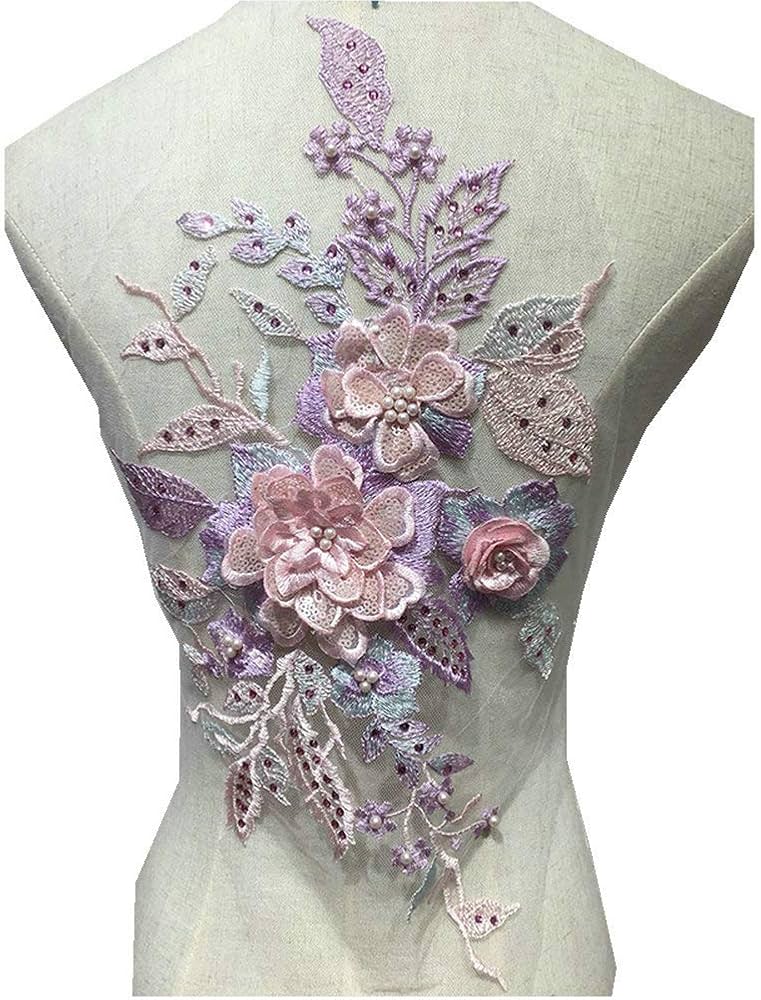
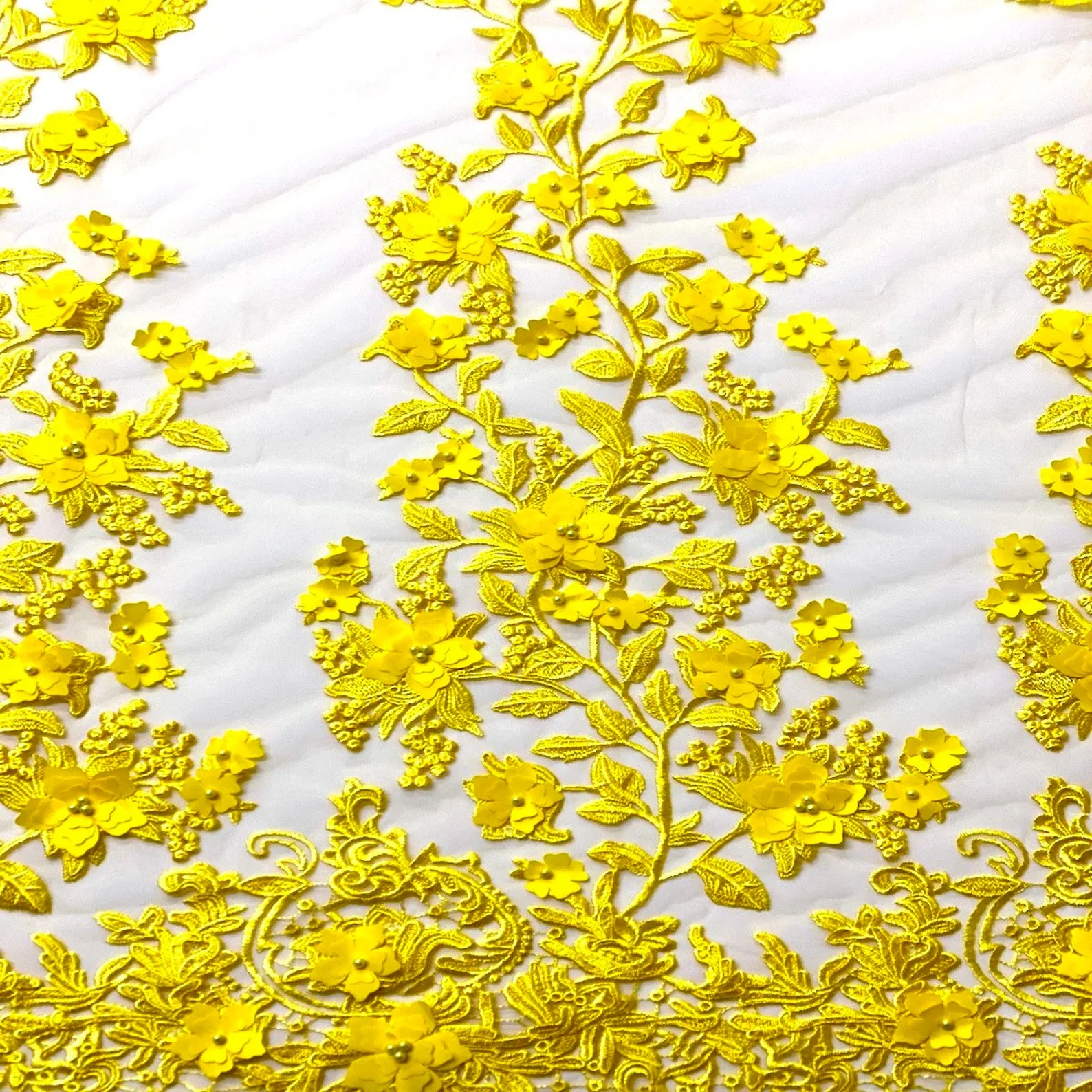
Patterns & Uses: Floral lace is often used to add romantic or vintage touches to wedding dresses, evening gowns, or casual tops. You can find lace with intricate floral patterns, and it’s available in a range of colors, from classic white and ivory to bold blues and pinks.
Durability & Care: High-quality lace should withstand multiple washes without fraying. Lace with a finer weave or delicate embroidery may need to be handled more carefully. Always check care instructions when purchasing lace—some may require dry cleaning, while others are machine washable.
Tips for Application: Lace is usually applied using a combination of hand-stitching and machine stitching, depending on the design’s intricacy. When buying lace, check for density—the more detailed the lace, the more it will elevate your design. Make sure you choose lace that matches the fabric of the garment for a seamless look.
Rhinestone Appliqués
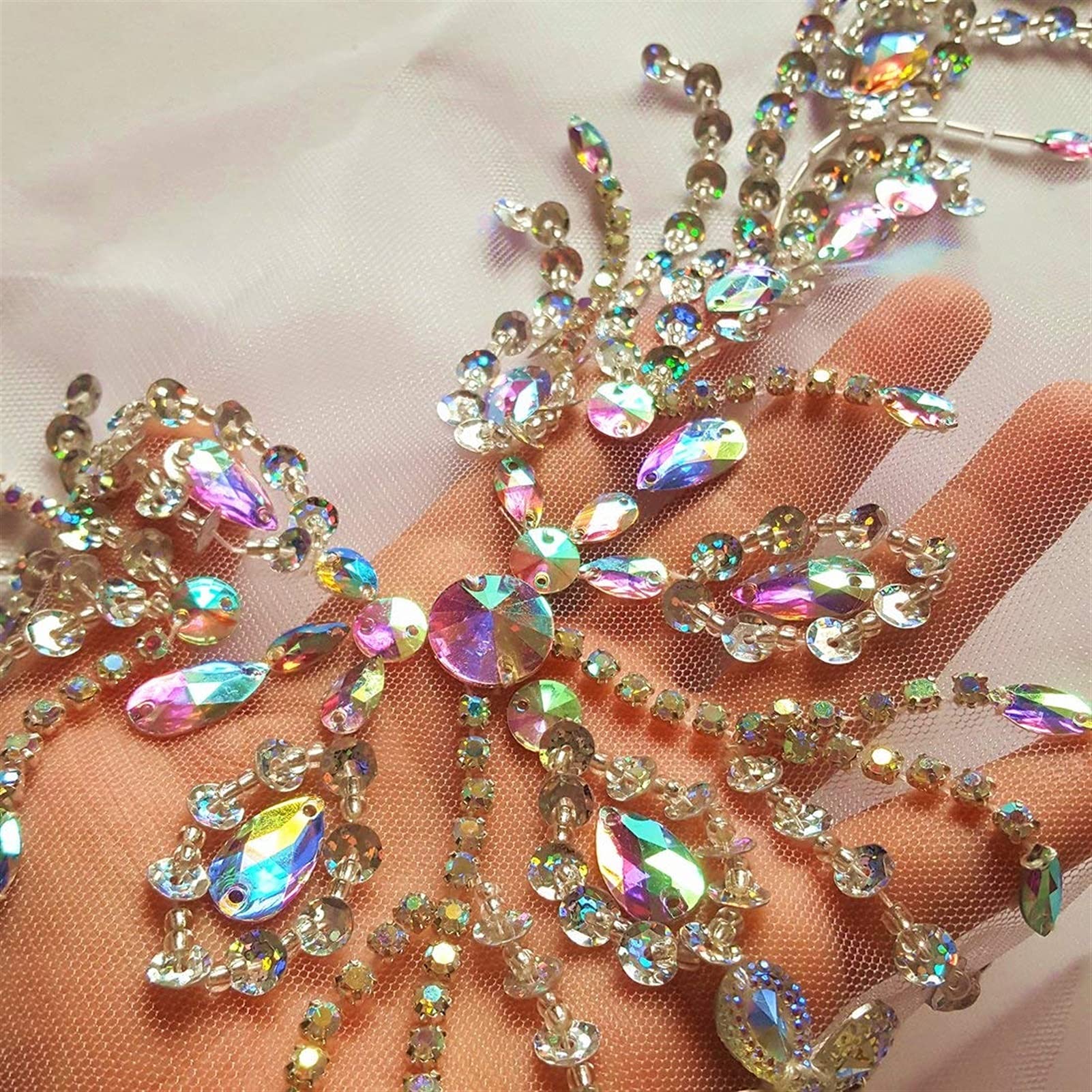
Materials & Settings: Rhinestones can be made from glass, acrylic, or crystal, with glass and crystal stones being higher quality and more durable. They come in a variety of settings, such as glue-on, sew-on, or hot-fix.
Application Methods: Rhinestones can be glued onto fabric using fabric glue, or sewn directly into the garment for a more secure application. Hot-fix rhinestones have an adhesive backing that activates when heat is applied, making them easier to attach, but they may not be as durable as sew-on options.
Durability & Care: Rhinestones can be fragile, especially if they’re glued on. Make sure to use high-quality adhesive, and if possible, opt for sew-on rhinestones for greater durability. To ensure longevity, wash garments with rhinestone appliqués by hand or in a delicate machine cycle.
Tips for Application: If you’re using rhinestone appliqués for a wedding dress or evening gown, be sure to choose settings that will stay securely attached. Sew-on rhinestones tend to be more durable and are ideal for garments that will see heavy wear.
Sequin Appliqués
Materials & Types: Sequins can be made from plastic, metal, or other materials, with metallic sequins providing more shine and glam. Sequin appliqués come in various shapes, including round, square, and star-shaped.
Backing Fabrics: The backing fabric of a sequin appliqué determines how easy it is to sew or glue onto the garment. Common backings include cotton, polyester, and mesh.
Durability & Care: Sequin appliqués can be prone to shifting or falling off over time, so it’s important to secure them properly. Sew-on sequins are more durable than glued sequins. Be cautious of sequins that are overly delicate, as they may lose their shine after washing.
Tips for Application: For garments that will be worn on stage or for a night out, sequins provide high visibility. Always check the density and finish of the sequins before applying them to ensure they will stay in place after wear.
Real-World Examples: How Appliqués Enhance Designs
-
Bridal Gown Designer
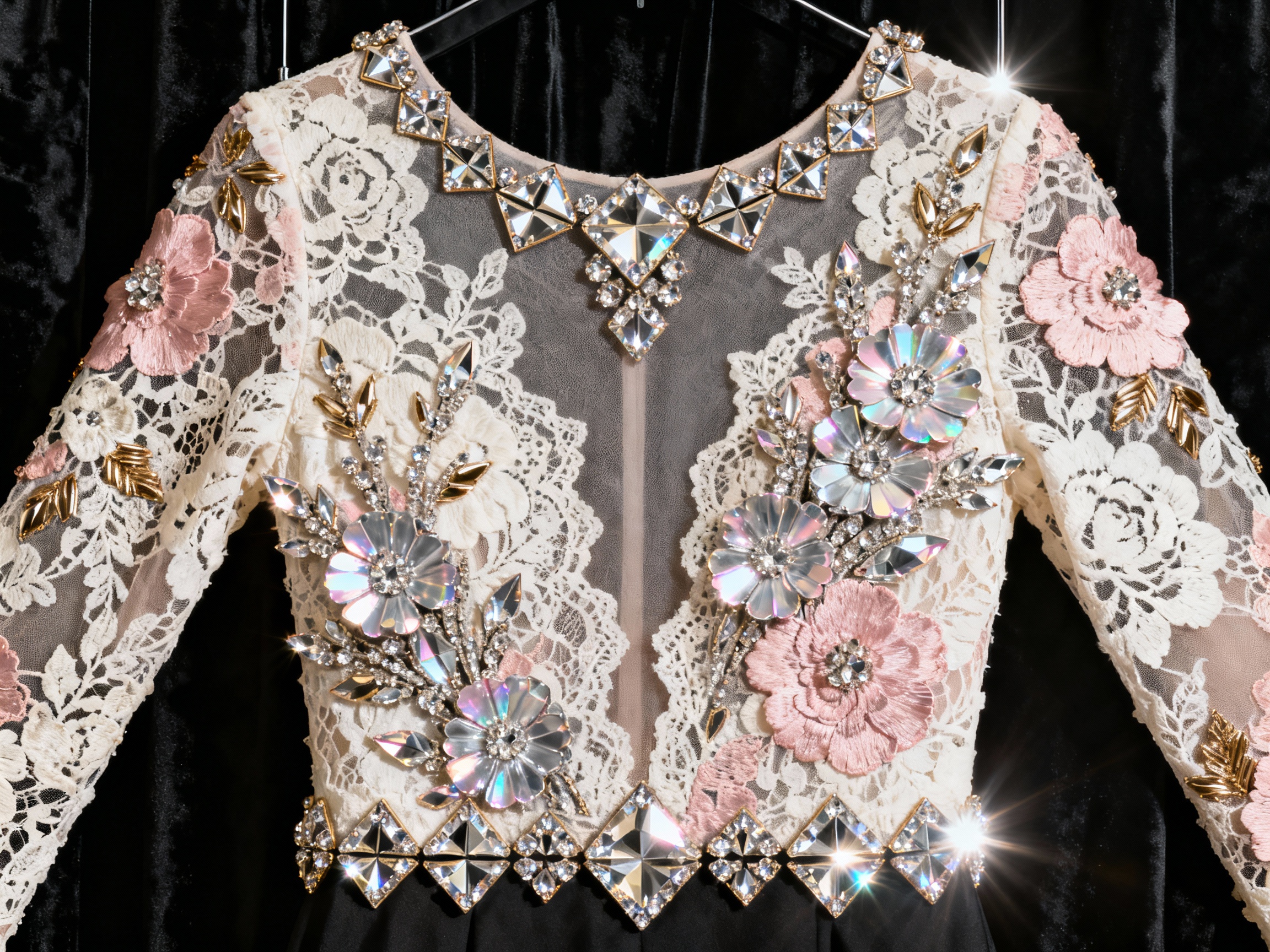
A bridal designer uses floral lace and rhinestone appliqués to upgrade a simple wedding gown. The lace adds a delicate, romantic feel to the bodice, while the rhinestones embellish the waist, creating a sparkly effect. The designer spends around $100 on materials, plus an additional 4 hours for stitching and attaching the appliqués. The final gown sells for $2,500, and the bride receives numerous compliments on its beauty and unique details. -
Dance Costume Maker
A dance costume maker uses sequins for stage visibility. The sequins are attached to the costume with a combination of glue and hand-stitching. The sequins’ reflective properties catch the light, ensuring the dancer stands out during performances. The cost of the sequins is around $50 per costume, and the costumes are designed to withstand numerous performances without losing their shine. -
Small Boutique Owner
A small online boutique uses floral lace appliqués to add a luxury touch to simple kurtis. By adding lace and a few rhinestone accents, the boutique can increase the price of each garment by $20. The extra embellishments attract more attention and help the boutique stand out in a competitive market.
FAQs
1. How do I wash clothes with rhinestone or sequin appliqués?
It’s best to hand wash garments with rhinestone or sequin appliqués or use a gentle machine cycle. Always turn the garment inside out and place it in a mesh bag for extra protection.
2. What is the difference between cutwork lace and embroidered lace?
Cutwork lace is created by cutting out parts of the fabric to form a pattern, while embroidered lace is made by stitching decorative patterns onto the fabric.
3. Can I glue appliqués instead of sewing them?
Yes, but glue is generally less durable than sewing. If the garment will be washed or worn often, sewing appliqués is a more secure option.
4. How do I choose appliqués for kids’ wear?
Look for appliqués made from soft, durable materials like cotton or polyester. Avoid heavy rhinestones or sequins that could cause discomfort or be a choking hazard.
5. What should I check when buying lace or appliqués online?
Always check the material, size, and stitching method. It’s also helpful to look for reviews and ensure the seller provides clear images of the product.
Conclusion
Floral lace, rhinestone, and sequin appliqués can be game-changers for designers and boutique owners looking to add a touch of elegance and uniqueness to their creations. By choosing the right materials and using proper application techniques, you can avoid common pitfalls like poor durability or poor-quality embellishments.
Start small, experiment with different materials, and see how adding appliqués can transform your designs into something truly special. Happy designing!