What Is Floral Lace Material?
Floral lace material is a delicate, intricate fabric that combines the art of lacework with floral motifs. Often used in both fashion and home décor, it adds a touch of elegance and femininity to various products. From bridal gowns to casual wear, floral lace is versatile and timeless.
In this article, we will explore the structure, types, uses, and care tips for floral lace materials, helping buyers, hobby sewists, and fashion designers make informed choices for their projects.
Quick Summary:
-
Floral lace is a delicate fabric with floral designs.
-
Available in various types, including Chantilly, Guipure, and 3D lace.
-
Commonly used in bridal wear, evening gowns, lingerie, and accessories.
-
Careful selection of fabric type, weight, and transparency ensures the right fit for each occasion.
-
Proper care of floral lace includes gentle washing and storing to maintain its quality.
Key Features of Floral Lace Material
Fibers and Fabric Base: Cotton, Silk, Synthetics, and Blends
Floral lace materials come in a variety of fibers, each offering unique characteristics. Understanding the fiber composition of floral lace is crucial when selecting the right material for your project.
-
Cotton Floral Lace: Soft and breathable, cotton lace is a favorite for lightweight summer garments like blouses and skirts. It offers comfort and is easy to work with, making it ideal for DIY sewists.
-
Silk Floral Lace: Known for its luxurious feel, silk lace is often used in high-end bridal wear and evening gowns. It has a subtle sheen and a delicate drape, adding sophistication to any design.
-
Synthetic Floral Lace: Made from materials like polyester or nylon, synthetic lace is durable, affordable, and easy to care for. It’s commonly used in everyday wear and fashion pieces.
-
Blended Fabrics: Blends of cotton, silk, and synthetics are often used to combine the best features of each. For example, a cotton-silk blend can offer the comfort of cotton with the elegance of silk.
Floral Patterns, Textures, and 3D Effects
Floral lace is famous for its intricate patterns, which can vary from subtle to bold. Common design elements include:
-
Delicate Floral Motifs: These feature simple, flat flowers and leaves, creating an elegant, vintage look.
-
Foliage Details: Some floral lace designs incorporate not just flowers, but also leaves, vines, and branches for a more nature-inspired appearance.
-
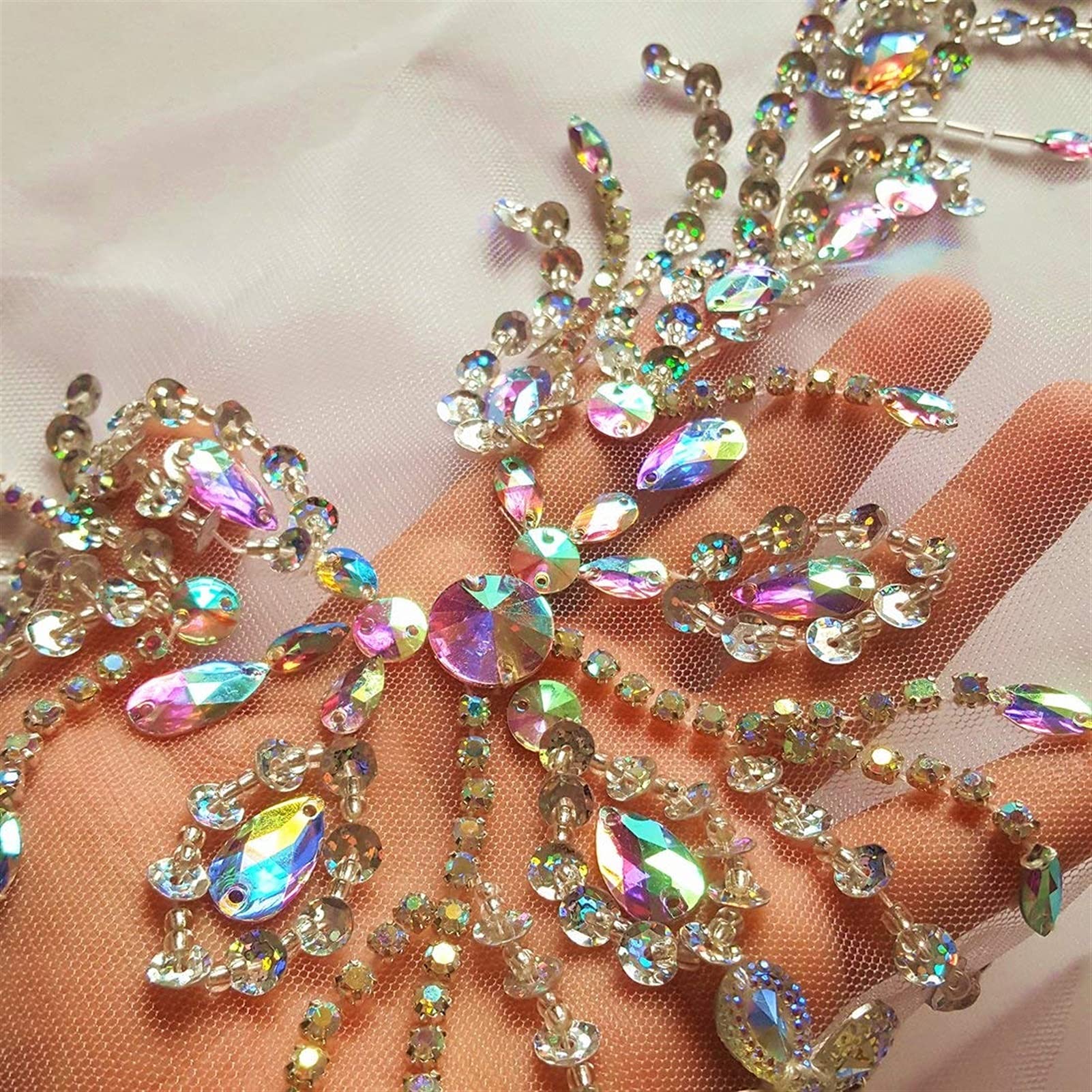
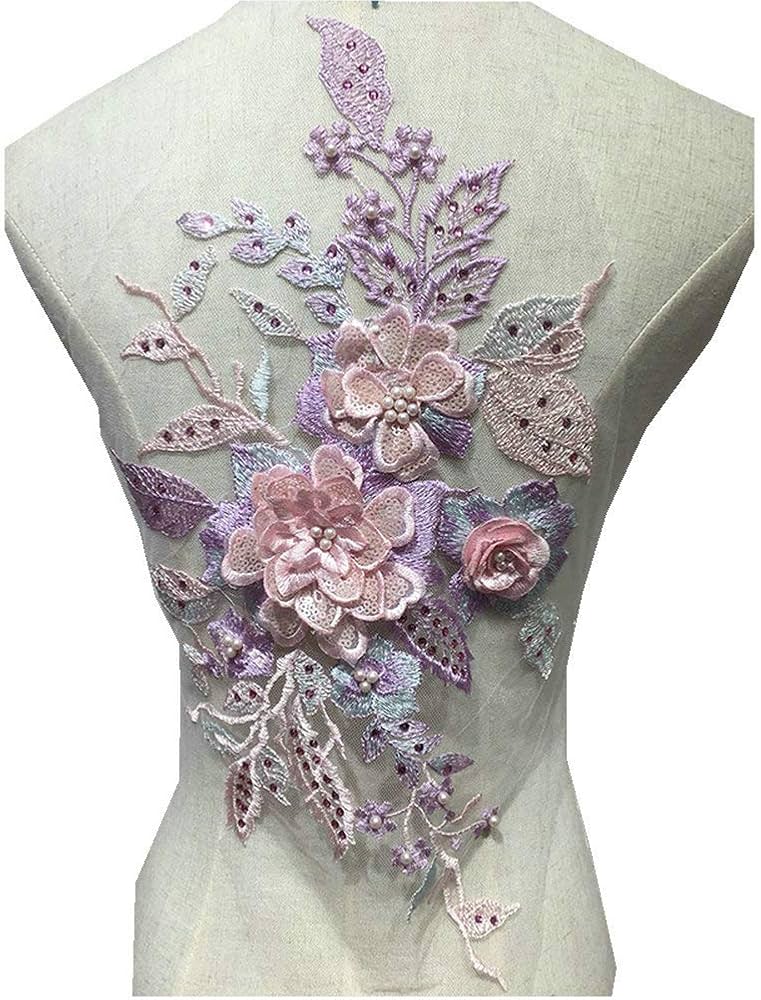
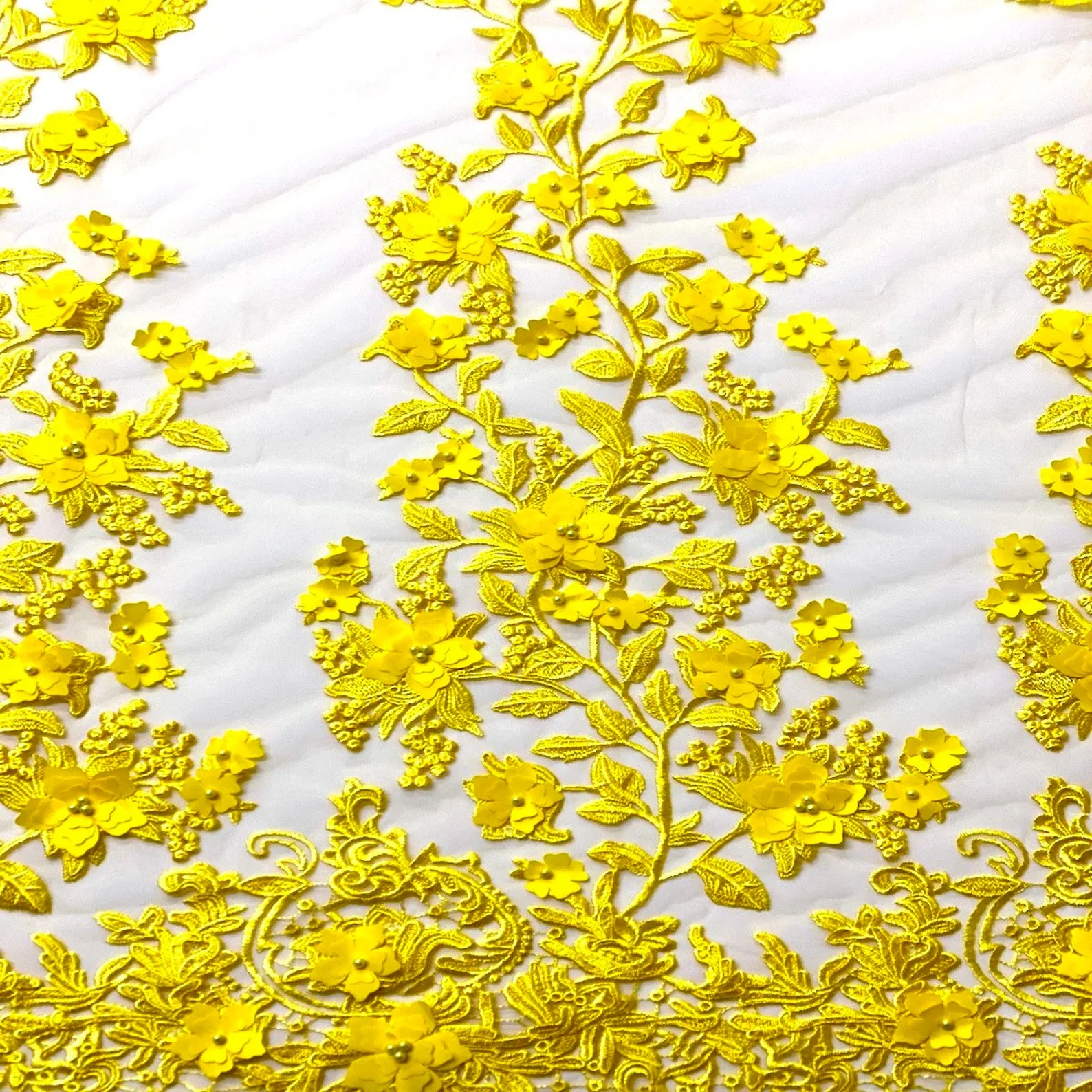
3D Floral Lace: These designs add texture by raising certain parts of the flower or foliage, creating a three-dimensional effect. This type of lace is often used for statement pieces like bridal sleeves or evening gowns.
-
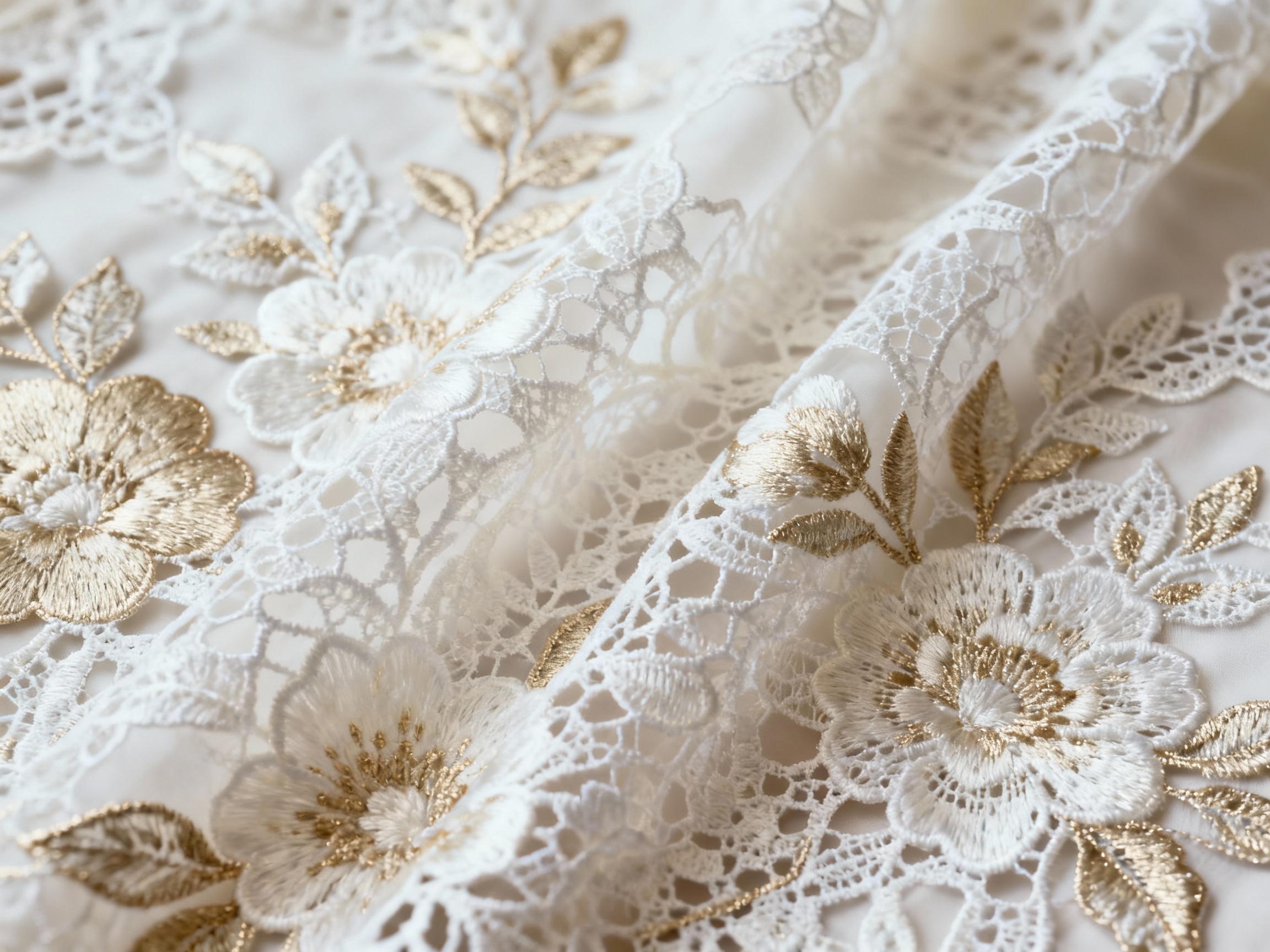
Embroidered Floral Lace: The flowers are sewn onto the lace using embroidery threads, adding richness and depth to the design.
Popular Types of Floral Lace Fabric
Chantilly and Alençon Floral Lace
-
Chantilly Lace: Known for its fine, delicate appearance, Chantilly lace features intricate floral patterns. It’s often used for veils, overlays, and luxurious bridal gowns.
-
Alençon Lace: A more substantial lace, Alençon is often used in high-end wedding dresses. The floral designs are typically larger and more dramatic, making it perfect for creating a striking visual effect.
Guipure and Venetian Floral Lace
-
Guipure Lace: This lace features floral patterns connected by bars or cords, creating a heavier, more textured design. It’s often used for overlays and evening dresses.
-
Venetian Lace: Often intricate and ornate, Venetian lace combines floral and geometric patterns. It’s heavier than other laces, making it ideal for outerwear or statement pieces.
Embroidered and 3D Floral Lace
-
Embroidered Lace: Features floral patterns created through stitching on a lace base, providing added depth and texture. Commonly used in bridal and evening wear.
-
3D Floral Lace: As mentioned, this lace has raised flower patterns that give a three-dimensional effect. It’s used for unique and eye-catching details, such as floral appliqués on sleeves or bodices.
Uses of Floral Lace in Fashion and Décor
Floral lace material can be used in various types of garments and accessories, adding texture, elegance, and femininity to the final design.
Bridal Wear and Evening Gowns
Floral lace is often the go-to choice for wedding dresses and evening gowns due to its romantic and luxurious feel. Bridal floral lace, in particular, is used for veils, skirts, bodices, and overlays. For example:
-
Bridal Gowns: Lace overlays, embroidered floral lace, or Chantilly lace with delicate flower patterns.
-
Veils: Light, airy lace trims or full lace veils with floral motifs add grace and elegance to a bride’s look.
Casual Wear, Tops, and Skirts
Floral lace isn’t limited to special occasions. It can be incorporated into casual garments, adding texture and interest to everyday wear:
-
Tops and Blouses: Floral lace can be used as an overlay or accent, such as on sleeves, collars, or hems.
-
Skirts: Lace skirts with floral patterns are perfect for warmer months, giving a flirty, feminine touch to casual outfits.
Lingerie, Accessories, and Home Décor
Floral lace can also be used for a range of accessories and home décor:
-
Lingerie: Lace bras, panties, and robes often feature floral lace for a touch of luxury and sensuality.
-
Accessories: Floral lace trims can be added to handbags, scarves, or headbands for a feminine touch.
-
Home Décor: Floral lace can be used in curtains, tablecloths, and even bed linens, bringing a soft, romantic element to interior design.
How to Choose the Right Floral Lace Material
Selecting the right floral lace material depends on several factors, including the desired look, feel, and use of the item.
Transparency, Drape, and Stretch
-
Transparency: Some floral lace fabrics are highly transparent, while others are more opaque. Consider the level of coverage you want for your project. For evening gowns or bridal wear, lace with more transparency can create a delicate, ethereal look.
-
Drape: Choose a lace with the right drape for your design. Silks and synthetics tend to drape beautifully, while cotton lace may have a firmer structure.
-
Stretch: Stretch lace offers more flexibility and comfort, especially for form-fitting garments. Look for stretch lace if you're designing body-hugging dresses or lingerie.
Color, Pattern Scale, and Occasion
-
Color: Floral lace is available in a variety of colors. For bridal wear, white, ivory, or champagne tones are classic choices. For fashion pieces, consider colors that complement your design theme.
-
Pattern Scale: Smaller floral patterns are more subtle and delicate, while larger designs can make a bold statement.
-
Occasion: Consider the occasion for which the lace is intended. For weddings, choose high-end laces like Alençon or Chantilly. For casual wear, you might opt for simpler cotton or synthetic lace.
Care and Maintenance Tips for Floral Lace
Caring for floral lace materials requires special attention to preserve their delicate structure and patterns.
-
Washing: Hand wash delicate lace fabrics in cold water with mild detergent. Avoid wringing or scrubbing to prevent damage.
-
Drying: Lay the lace flat to dry. Avoid hanging lace as it can stretch or distort the shape.
-
Storing: Store lace garments in a cool, dry place. Use garment bags for extra protection, especially for items like bridal veils or evening gowns.
Final Thoughts on Styling Floral Lace
Floral lace material offers endless possibilities for creating beautiful and sophisticated fashion pieces. Whether you're designing a bridal gown, adding an overlay to a casual top, or enhancing your home décor, floral lace adds elegance and texture to any project. By choosing the right fabric, pattern, and color, you can ensure that your floral lace creations are both stunning and timeless.