Introduction – Why Lace with Sequins and Appliques Matter (PAS: Problem → Agitate → Solution)
You’ve seen them everywhere: wedding dresses with sparkly lace, party outfits with shiny designs, saree borders that catch the light, and dance costumes covered in fun patterns. Most of these pieces use lace, sequins, or appliques in some way.
But here’s the issue:
Many people don’t know the difference between lace with sequins, plain sequins, and appliques.
New designers and small brands often find it hard to explain their ideas to factories or tailors.
People tend to focus only on “how shiny it looks,” ignoring comfort, durability, and quality.
This leads to problems:
Outfits that look great on a hanger but feel itchy or heavy.
Sequins and beads that start falling off after just one or two uses.
Designs that look cheap in real life because the lace or appliques are low quality.
That’s the frustration—wasting money, uncomfortable clothes, and unhappy customers.
The answer is simple: learn what each part actually does.
Lace with sequins gives soft, decorative patterns with extra sparkle.
Plain sequins can be used in many ways for custom designs.
Appliques add ready-made patterns and can instantly change a plain fabric.
Once you know how they work, you can choose better, design better, and explain better—whether you’re a buyer, a DIY crafter, or a designer.
Features – What Makes Lace with Sequins & Appliques Special?
Let’s break this down into easy parts.
1. Lace with Sequins
What it is:
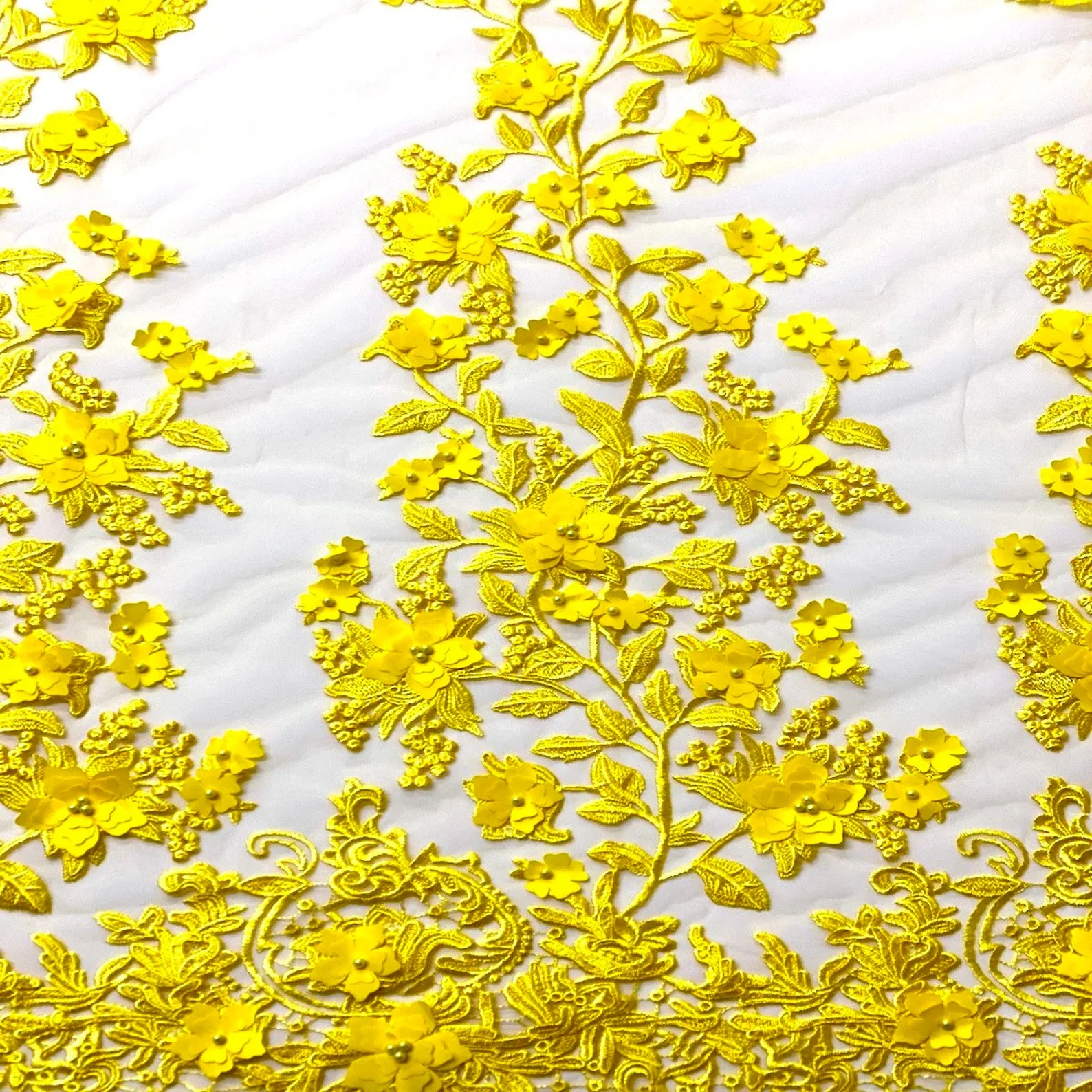
Lace fabric (often tulle, net, or raschel lace) with sequins already stitched on top. The sequins usually follow the lace design—flowers, vines, leaves, or geometric shapes.
Key points:
All-over effect: The sequins cover the fabric, giving an overall shimmer instead of just small patches.
Soft drape: Good quality sequin lace keeps the fabric light and flexible. It should move easily and not feel stiff.
Different densities:
Light sequins = subtle shine (good for daytime or simple styles).
Heavy sequins = strong shine (popular for stage wear, party gowns, evening wear).
Benefits:
Saves time for designers and tailors—the design and sparkle are already in the fabric.
Easy to use for full dresses, skirts, blouses, veils, and dupattas.
Great for layering: you can place sequin lace over satin, crepe, or tulle to control shine and opacity.
2. Plain Sequins (Without Lace)
What they are:
Small discs, usually plastic or metal, with a hole for stitching.
How they’re used:
Sewn directly onto fabric in patterns.
Used in embroidery, handwork, or machine work.
Combined with beads, stones, or thread.
Types of sequins:
Flat or cup-shaped
Round, flower, or leaf-shaped
Matte, shiny, holographic, or metallic
Benefits:
Full design freedom—you can create your own patterns, logos, borders, or gradients.
Good for adding shine to specific areas like necklines, sleeve ends, logos on jackets, or details on lehengas and gowns.
Useful for fashion, dance costumes, stage wear, kids’ clothes, and cosplay.
3. Appliques (With or Without Sequins)
What they are:
Pre-made decorative pieces (patterns, borders, patches) that are stitched or ironed onto a base garment.
They can be:
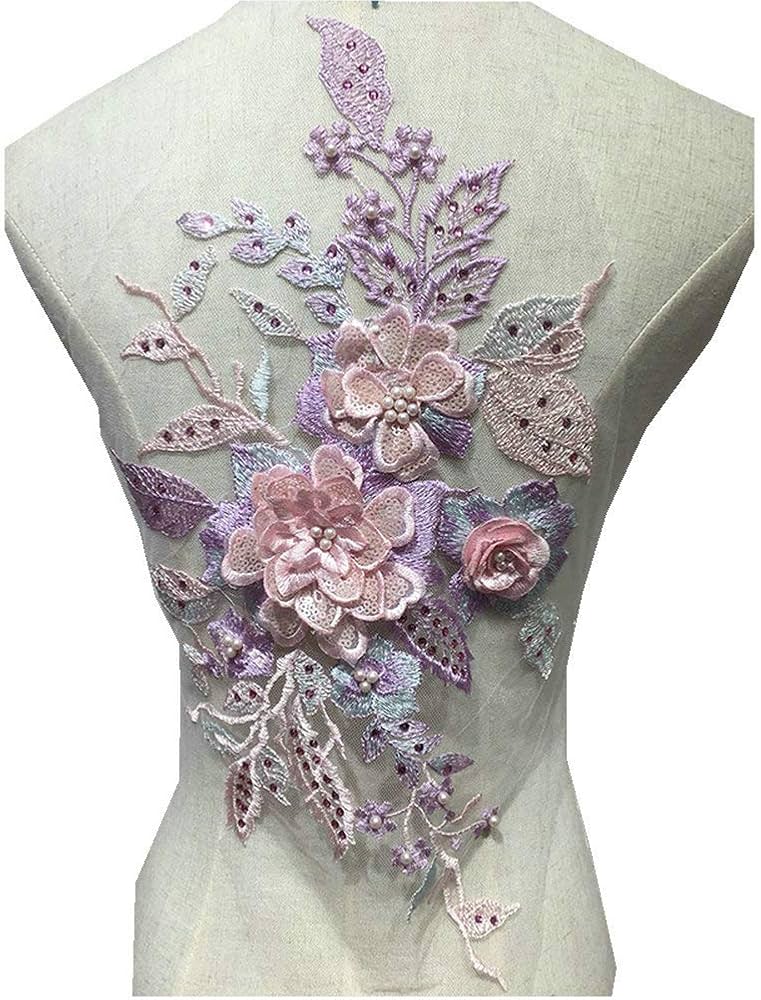
Lace appliques: cut-out patterns from lace.
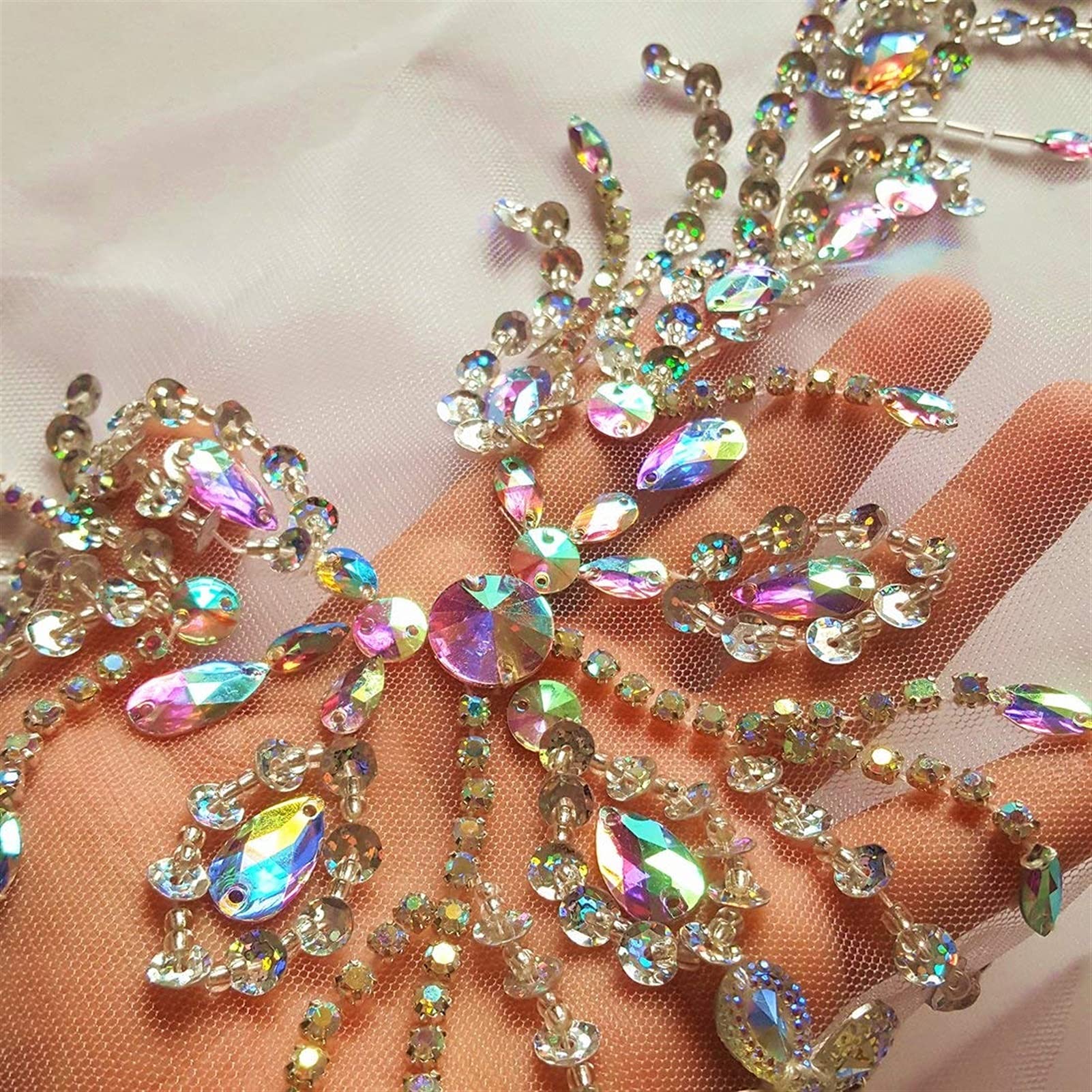
Sequin appliques: sequined designs on a small base.
Mixed appliques: combining lace, sequins, beads, and sometimes embroidery.
Benefits:
Let you decorate only specific spots:
Neckline
Waistline
Shoulder
Skirt border
Make it easy to upgrade or fix clothes:
Add appliques to cover small stains or damage.
Change the look of a plain dress without sewing everything again.
Variations:
Sew-on appliques
Iron-on (heat-seal) appliques
3D appliques with layered petals or leaves
Designs for bridal wear, kids’ dresses, dance costumes, or accessories
4. Practical Features: Comfort, Weight, and Care
Comfort:
The backing matters—raw sequins or stiff lace can irritate the skin.
Good designs use soft backing or lining under heavily decorated areas (neckline, armhole, waist).
Weight:
Light sequin lace is good for long events or weddings.
Heavy appliques are better for small areas, not covering the whole dress.
Care:
Most lace with sequins and appliques needs gentle hand-washing or dry-cleaning.
Machine wash is risky unless the label says “machine washable” and the decoration is mild.
Real-World Examples / Case Studies
1. Bridal Wear and Evening Gowns
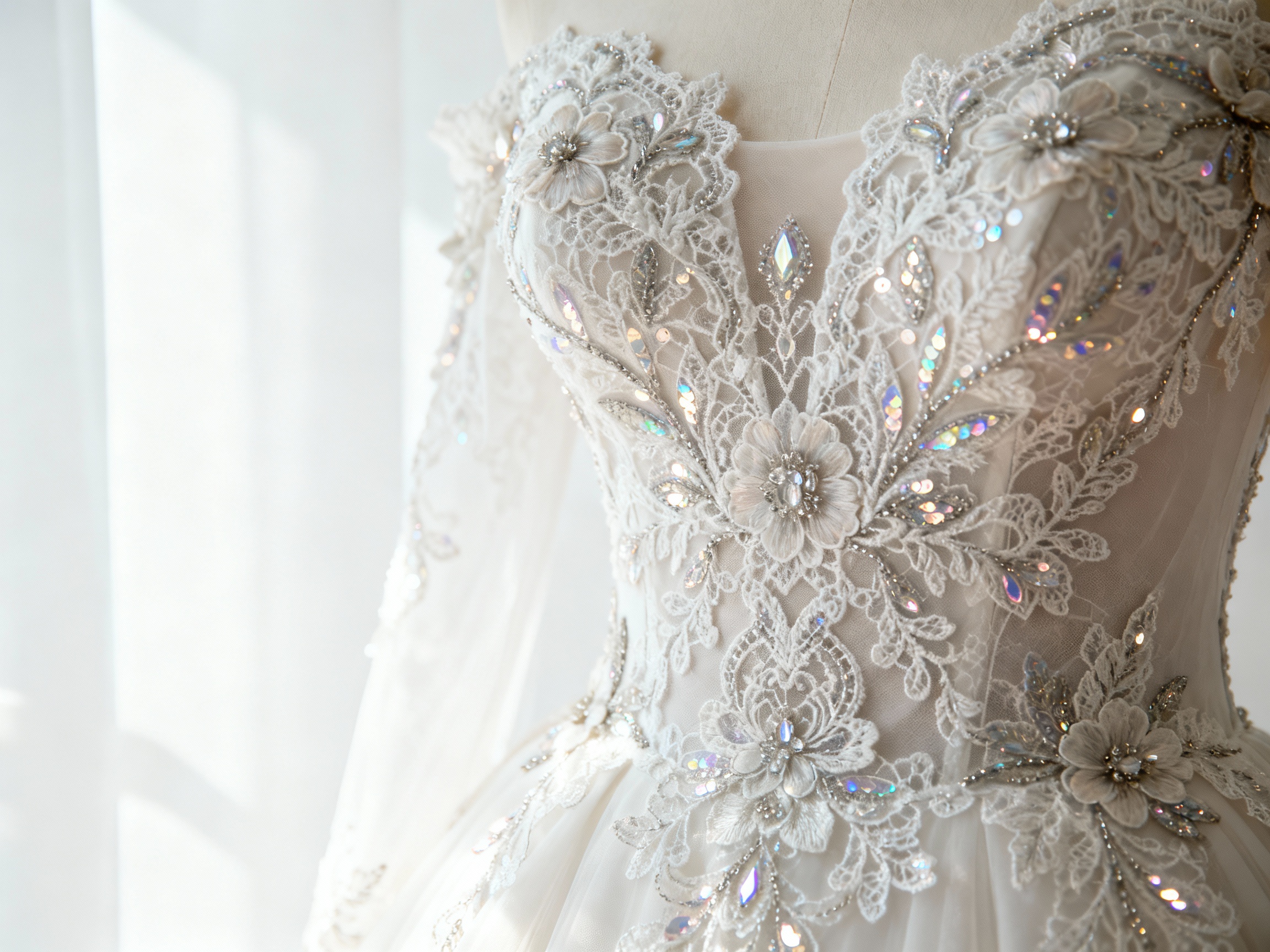
Many top bridal brands use lace with sequins and floral appliques to add depth without making dresses too heavy.
A common method:
Base layer: satin or crepe.
Top layer: lace with light sequins for overall shimmer.
Extra appliques: floral patterns on the bodice, waist, or train for focus.
This gives:
A soft, romantic look in daylight.
A balanced sparkle in night lighting or flash photos.
Less weight than fully beaded fabrics.
Bridal studios often say brides want “sparkle” but also want to move comfortably, sit, dance, and hug people without feeling restricted. Lace with sequins plus targeted appliques is a smart solution.
2. High-Street Fashion and Fast Fashion
High-street brands often use:
Small sequin lace panels on tops and dresses.
Applique patches on denim jackets, sweatshirts, and kids’ clothes.
Why?
It gives a premium look without changing the base fabric.
It allows seasonal designs: stars, hearts, slogans, floral sprays, etc.
It’s easier to make in large numbers—the same appliques can be used on many styles.
In many collections, you’ll see simple shapes (like T-shirts or straight dresses) upgraded with:
Lace yokes with sequins
Shoulder appliques
Sequin patterns at the chest or back
3. Dancewear, Stage Costumes, and Performance Outfits
In dance and stage wear, sequins and appliques are essential because stage lights make plain colors look dull.
Lace with sequins gives an all-over shine that stands out from a distance.
Appliques help highlight key areas—waist, neckline, hip, or bust line.
Designers want strong visual impact with lighter materials so performers can move, stretch, and dance.
Often, costume makers use:
Stretch base fabrics (lycra, spandex)
Light sequin lace panels layered over stretch mesh
Appliques placed at key spots
The goal: strong stage effect, comfortable fit, and costumes that last through shows and rehearsals.
FAQs – Lace, Sequins, and Appliques
What’s the difference between lace with sequins and sequin appliques?
Lace with sequins is fabric where sequins are stitched all over, following the lace design.
Sequin appliques are smaller decorative pieces (patterns or patches) that you add onto another fabric.
Think of lace with sequins as the “main cloth” and appliques as “ready-made decorations” you attach.Are lace with sequins and appliques good for everyday wear?
Yes, but with limits.
For daily wear, choose lightweight sequin lace with less coverage.
Use small appliques on pockets, cuffs, or yokes instead of heavy, full coverage.
Avoid heavy, stiff designs for clothes you’ll wear all day.
For regular workwear, subtle details work better than full glitter.How do I care for clothes with sequins and lace?
Basic tips:Read the care label first.
When in doubt, hand-wash gently in cold water or use dry-cleaning.
Avoid twisting, wringing, or strong rubbing.
Dry flat or hang on padded hangers so the weight doesn’t stretch the fabric.
Store heavy dresses flat or supported so the lace and appliques don’t pull down.
How can I tell if an applique or sequin lace is good quality?
Check:Back side: Are threads neat, with secure knots and few loose threads?
Feel: Is the surface rough or smooth to touch? Imagine wearing it for hours.
Weight balance: Does the fabric sag because the sequins or appliques are too heavy?
Stitching: Lightly run your hand over; if sequins feel loose or tangle easily, quality may be low.
Can I sew lace with sequins and appliques at home?
Yes, you can.
Use a sharp needle (often a new one) because sequins can break needles.
Go slowly on a sewing machine or sew by hand around appliques.
For heavy or detailed appliques, hand-stitching gives more control.
If the base fabric is delicate (like tulle or fine net), consider using a stabilizer while sewing.Are iron-on appliques reliable?
Iron-on (heat-seal) appliques can be convenient, especially for:Kids’ clothes
DIY craft projects
Simple T-shirts or bags
However, for long-term wear, especially for formal or bridal clothes, it’s safer to stitch around the edges even if the applique is iron-on.
Heat alone may not hold well after many washes or dry-clean cycles.
Conclusion – Smart Choices for Sparkle and Texture
Lace with sequins, plain sequins, and appliques are more than just “shiny decorations.” They are tools that help shape the mood, style, and comfort of a garment.
Using the PAS logic:
The problem is confusion and poor choices: buying or making outfits that look good but feel bad or don’t last.
The frustration shows up as uncomfortable fits, loose sequins, and outfits you don’t want to wear again.
The solution is understanding how these materials work—their features, benefits, and real-world uses.
Once you know the basics:
You can pick lace with the right sequin coverage for your event.
You can add appliques where they make the most impact.
You can plan for comfort, not just looks.
Whether you’re designing a wedding dress, upgrading a simple outfit, or creating stage costumes, these elements give you flexibility, texture, and light. When used with care, lace with sequins and appliques can turn plain fabric into something special—without sacrificing comfort or quality.