Introduction
Decorative embellishments have always played an important role in fashion, textiles, and crafts. Among them, beaded and sequin appliques and lace borders stand out for their ability to add texture, detail, and visual interest to garments and fabric-based products. You will see them on wedding dresses, evening gowns, stage costumes, home décor, and even accessories like bags and shoes.
Today’s fashion and craft industries rely on these elements not just for beauty, but also for functionality and brand identity. Designers use them to elevate simple silhouettes, repair garments creatively, or add value to mass-produced items. For small businesses and independent designers, appliques and lace borders offer a cost-effective way to differentiate products without changing the entire production process.
This article explores beaded and sequin appliques and lace borders using the PAS framework. We’ll look at the problems designers face, why those problems matter, and how these embellishments offer practical, proven solutions. We’ll also discuss features, answer common questions, and review real-world industry examples.
The Problem: Plain Designs and Limited Customization
In fashion and textile production, one of the most common challenges is lack of visual impact. Plain fabrics, while practical, often fail to attract attention in a crowded market. This is especially true for:
-
Ready-to-wear clothing
-
Event and bridal wear
-
Handmade or small-batch products
-
Home décor textiles
Another issue is limited customization. Redesigning patterns, changing cuts, or switching fabrics can be expensive and time-consuming. For small brands or craft businesses, these changes may not be realistic.
Durability is also a concern. Surface prints can fade, and embroidery may not always give enough texture or shine. Designers need decoration methods that are both long-lasting and visually effective.
The Agitation: Why These Issues Matter
When garments or textile products look plain, they struggle to stand out. Customers compare dozens of similar items online and in stores. If a design does not immediately catch the eye, it often gets overlooked.
For bridal and occasion wear, this problem is even more serious. Buyers expect detail, texture, and careful craftsmanship. A dress that looks too simple may be seen as low-value, even if the base fabric is high quality.
In crafts and small-scale fashion, lack of customization can slow business growth. If every product looks similar, repeat customers may lose interest. On the production side, constant redesign increases costs and leads to wasted materials.
All of this creates pressure on designers to find flexible, reliable, and affordable decorative solutions.
The Solution: Beaded & Sequin Appliques and Lace Borders
Beaded and sequin appliques and lace borders offer a clear solution to these challenges. They allow designers and makers to enhance products without rebuilding them from scratch.
Appliques can be stitched, glued, or heat-applied to garments and fabrics. Lace borders can be added to hems, sleeves, necklines, and panels. These techniques give designers control over placement, scale, and style.
Most importantly, they provide instant visual impact and design flexibility, making them widely used across fashion, interiors, and crafts.
Features of Beaded and Sequin Appliques
1. Texture and Dimension
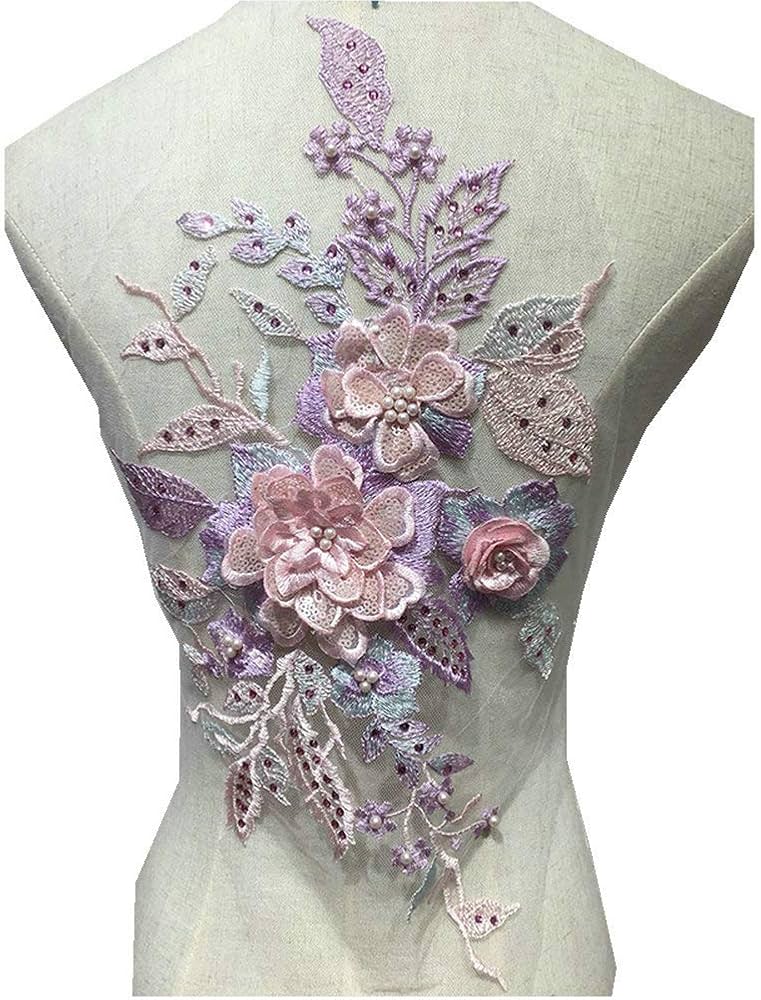
Beaded and sequin appliques add physical depth to fabric. Unlike prints, they sit on the surface and reflect light differently as the wearer moves. This makes them ideal for eveningwear and stage costumes.
2. Versatile Application
These appliques can be applied to:
-
Dresses and gowns
-
Jackets and tops
-
Bags and accessories
-
Costumes and uniforms
They work on many fabrics, including mesh, tulle, satin, velvet, and denim.
3. Custom Placement
Designers can place appliques exactly where needed—around necklines, on shoulders, or along side seams. This helps highlight certain areas without overwhelming the design.
4. Repair and Upcycling
In both fashion and crafts, appliques are often used to cover stains, holes, or wear marks. This supports sustainable practices by extending garment life.
Features of Rhinestone and Sequin Appliques
1. High Visibility
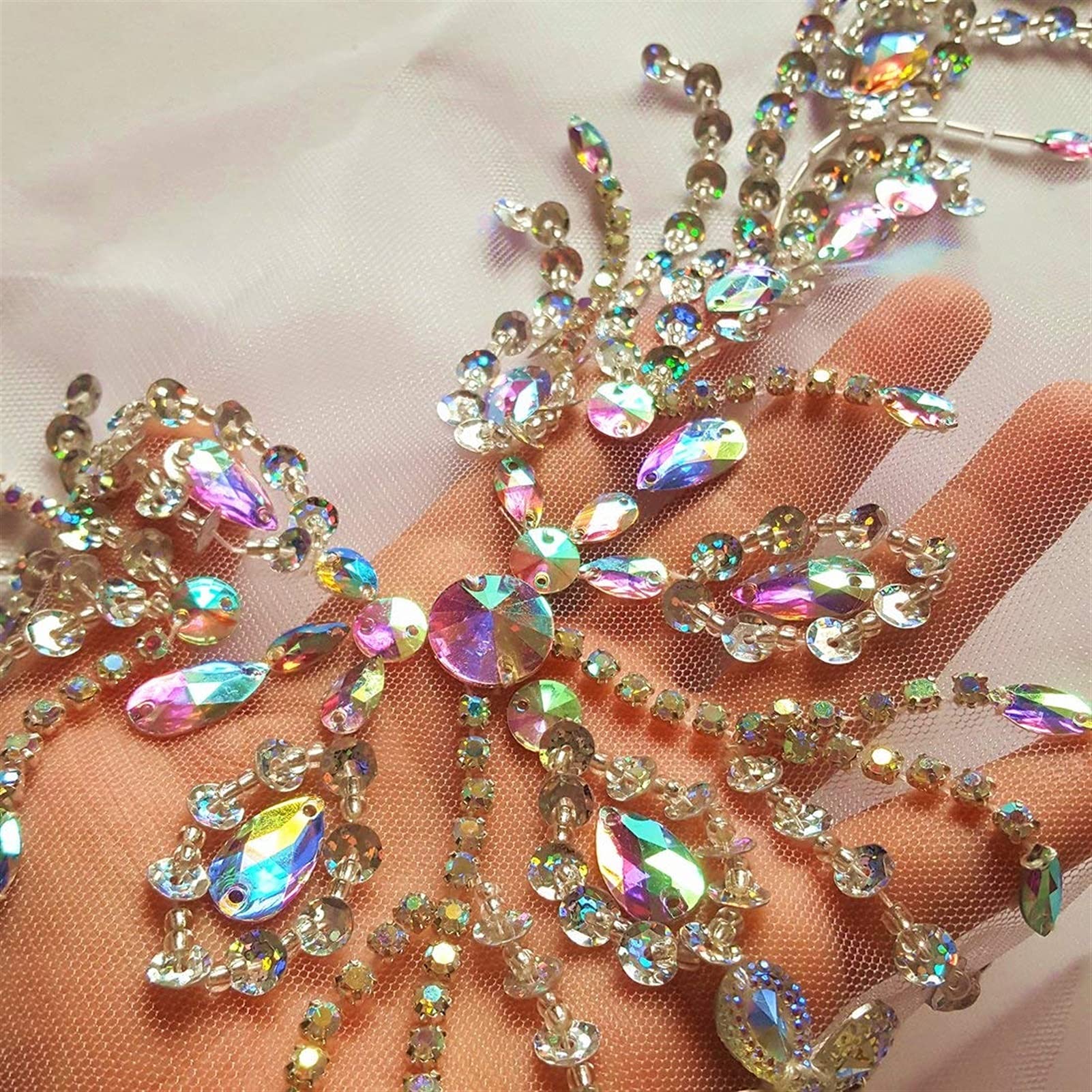
Rhinestones and sequins reflect light strongly. This makes them popular in performance wear, dance costumes, and bridal fashion.
2. Machine and Hand Application
Some rhinestone appliques are heat-set, while others are sewn by hand. This gives flexibility depending on production scale.
3. Consistent Quality
Modern manufacturing ensures uniform size, color, and shine. This is important for brands that need consistency across collections.
4. Cost Control
Compared to full embroidery or custom beadwork, ready-made rhinestone appliques reduce labor costs while maintaining visual appeal.
Features of Lace Borders
1. Clean Edges and Structure
Lace borders define garment edges neatly. They are often used on hems, cuffs, and veils.
2. Design Continuity
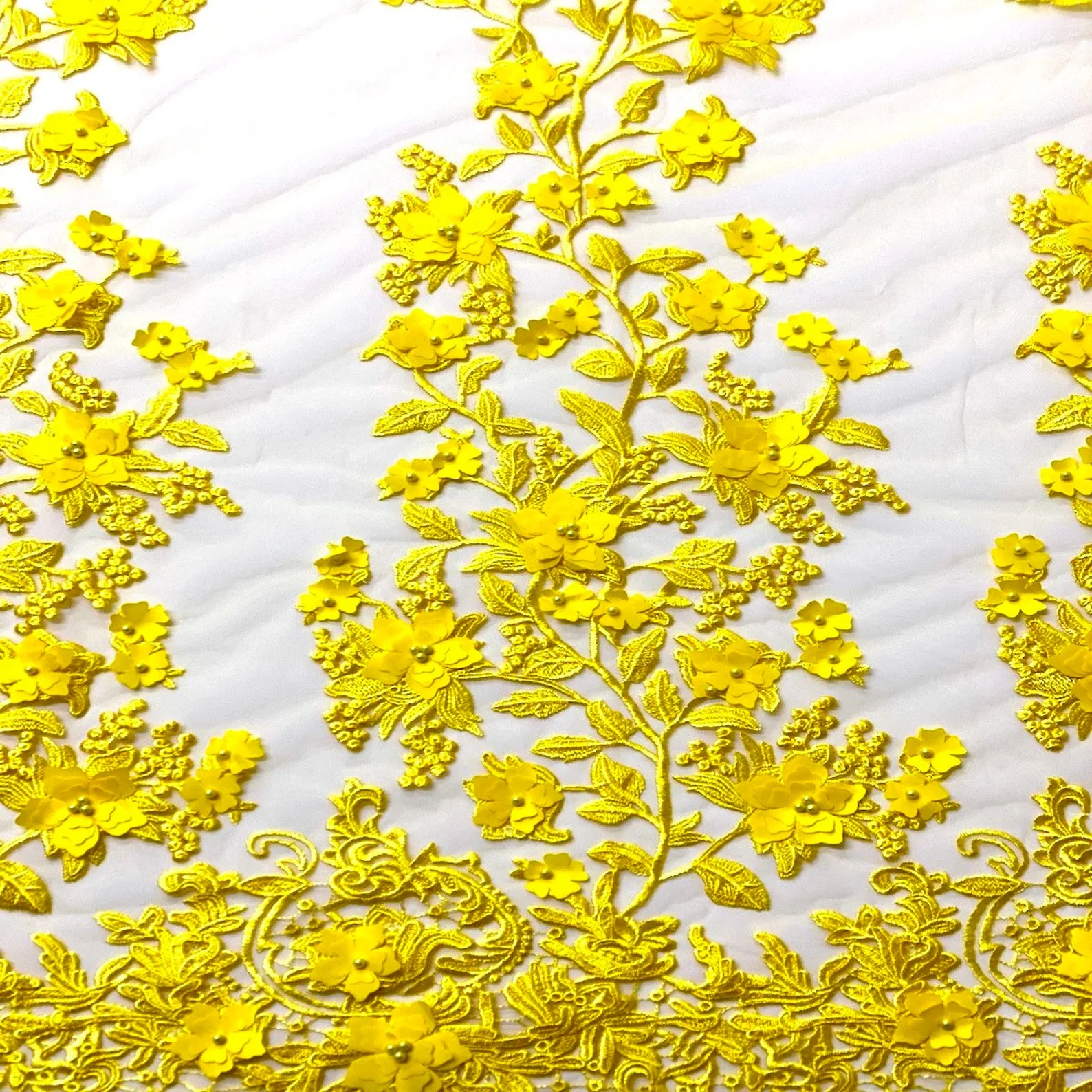
Borders create a repeating pattern that brings balance to a design. This is especially useful in bridal gowns and traditional garments.
3. Wide Style Range
Lace borders come in many styles:
-
Floral
-
Geometric
-
Vintage-inspired
-
Modern minimal
This makes them suitable for both classic and contemporary designs.
4. Lightweight Decoration
Lace adds detail without making garments heavy. This improves comfort and wearability.
Real-World Industry Examples
Bridal Fashion Case Study
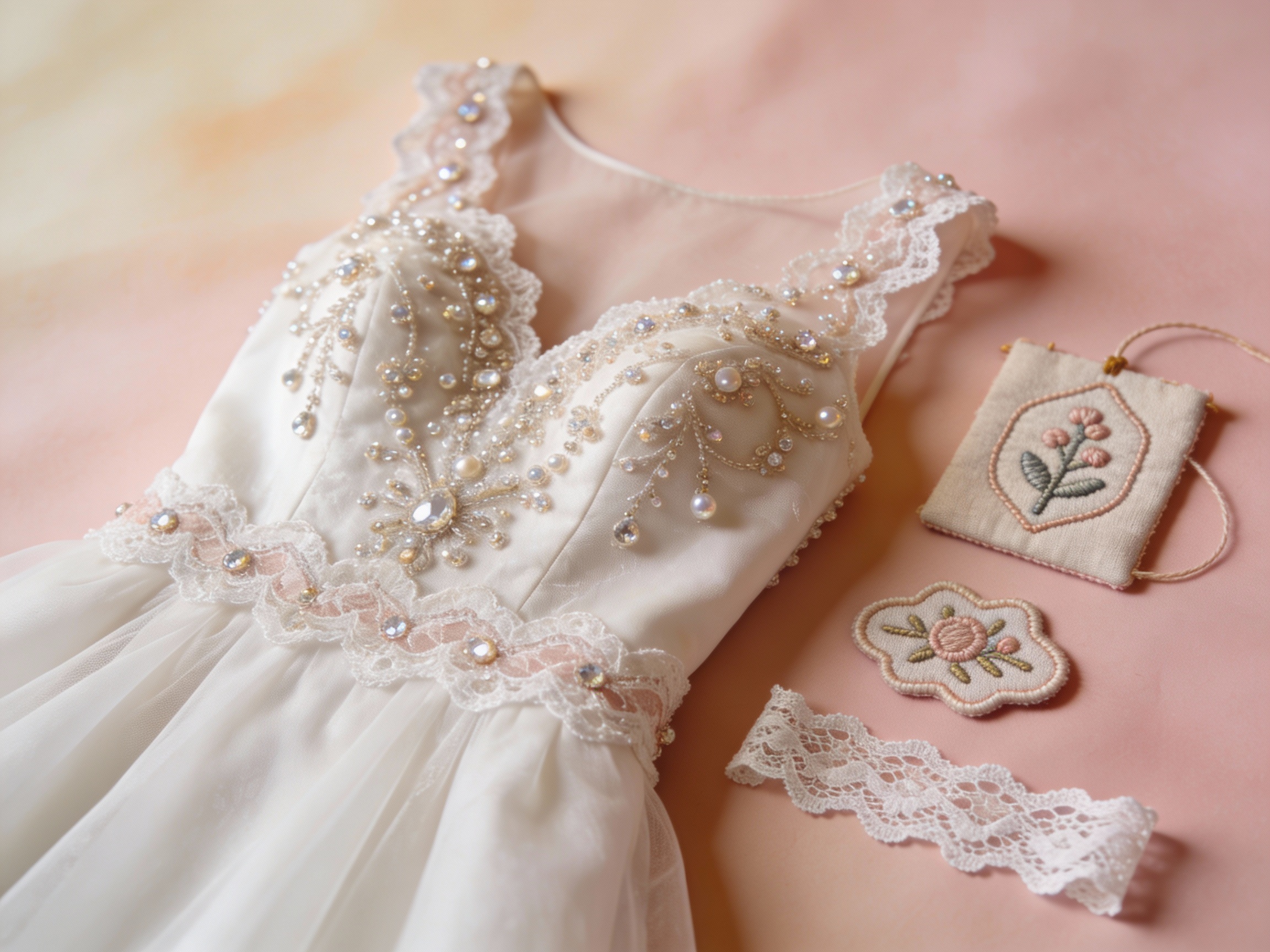
Luxury bridal brands frequently rely on lace borders and beaded appliques instead of full-surface decoration. For example, Pronovias, a well-known bridal brand, uses lace borders to frame gowns while placing beaded appliques strategically on bodices. This approach keeps dresses elegant while controlling weight and cost.
Ready-to-Wear and Luxury Fashion
In high fashion, brands like Gucci have used sequin appliques on jackets and accessories to refresh classic designs. Instead of changing garment shapes, appliques provide seasonal updates with minimal production changes.
Craft and Small Business Use
In the handmade market, Etsy sellers often use lace borders to personalize items such as table runners, cushion covers, and clothing. This allows small businesses to offer customization without investing in complex equipment.
FAQs
1. Are beaded and sequin appliques durable?
Yes. When properly sewn or heat-set, they can last for years. Handwashing or gentle cleaning is recommended.
2. Can lace borders be used on everyday clothing?
Yes. Many casual dresses and tops use simple lace borders for subtle detail.
3. Are rhinestone appliques heavy?
Most are lightweight, but dense designs may add some weight. Placement matters for comfort.
4. Can appliques be removed later?
Sewn appliques can usually be removed carefully. Heat-set designs are harder to remove without damage.
5. Do these embellishments support sustainable fashion?
Yes. They are often used in upcycling and garment repair, reducing waste.
Conclusion
Beaded and sequin appliques and lace borders solve real problems in fashion, textiles, and crafts. They add detail, texture, and visual interest without requiring major design changes. From luxury bridal gowns to handmade home décor, these embellishments offer flexibility, cost control, and creative freedom.
Their continued use across industries shows their practical value. Whether you are a designer, a small business owner, or a craft enthusiast, understanding how and where to use these elements can improve both product quality and customer appeal.