Embroidered Flower Lace and Lace Border Design: A Timeless Craft in Fashion and Textiles
Lace and embroidery have been part of fashion and textiles for hundreds of years, showing skill, beauty, and detailed designs. One of the most loved types of lace is embroidered flower lace, which combines delicate lace with detailed flower embroidery. It brings a sense of elegance and classic style. The lasting charm of embroidered lace is its ability to add texture, depth, and visual appeal to clothes, accessories, and home decoration.
In this blog, we will explore the history and meaning of embroidered flower lace, explain the embroidery methods that create these detailed designs, and show samples of lace border styles that can change any project. Whether you want to improve your fashion pieces or decorate your home, embroidered lace offers many options.
The History and Meaning of Embroidered Lace in Fashion and Textiles
Lace has always been linked to luxury and style, especially during the late Middle Ages and the Renaissance, when it showed wealth and social rank. Early lace was handmade with fine threads, and as embroidery improved, lace began to include stitched designs on delicate fabrics. This mix of lace and embroidery let makers create designs that not only looked pretty but also had texture and depth.
Flower patterns, in particular, have been popular in embroidered lace. Flowers often represent femininity, beauty, and nature, inspiring many designs worldwide. From the detailed flowers of French Chantilly lace to the simple beauty of English embroidered lace, flower designs have inspired many artists and designers.
In fashion, embroidered lace became common in high-end and bridal clothing. It was often used to make wedding dresses, evening gowns, and accessories look more elegant. Using embroidered flower lace not only made these items look better but also added personal meaning, as flower patterns could show feelings or cultural stories.
Embroidery Methods for Making Flower Lace
Making embroidered lace with flower patterns uses different embroidery methods. Each method creates unique textures and looks. Here are some popular techniques for making embroidered flower lace:
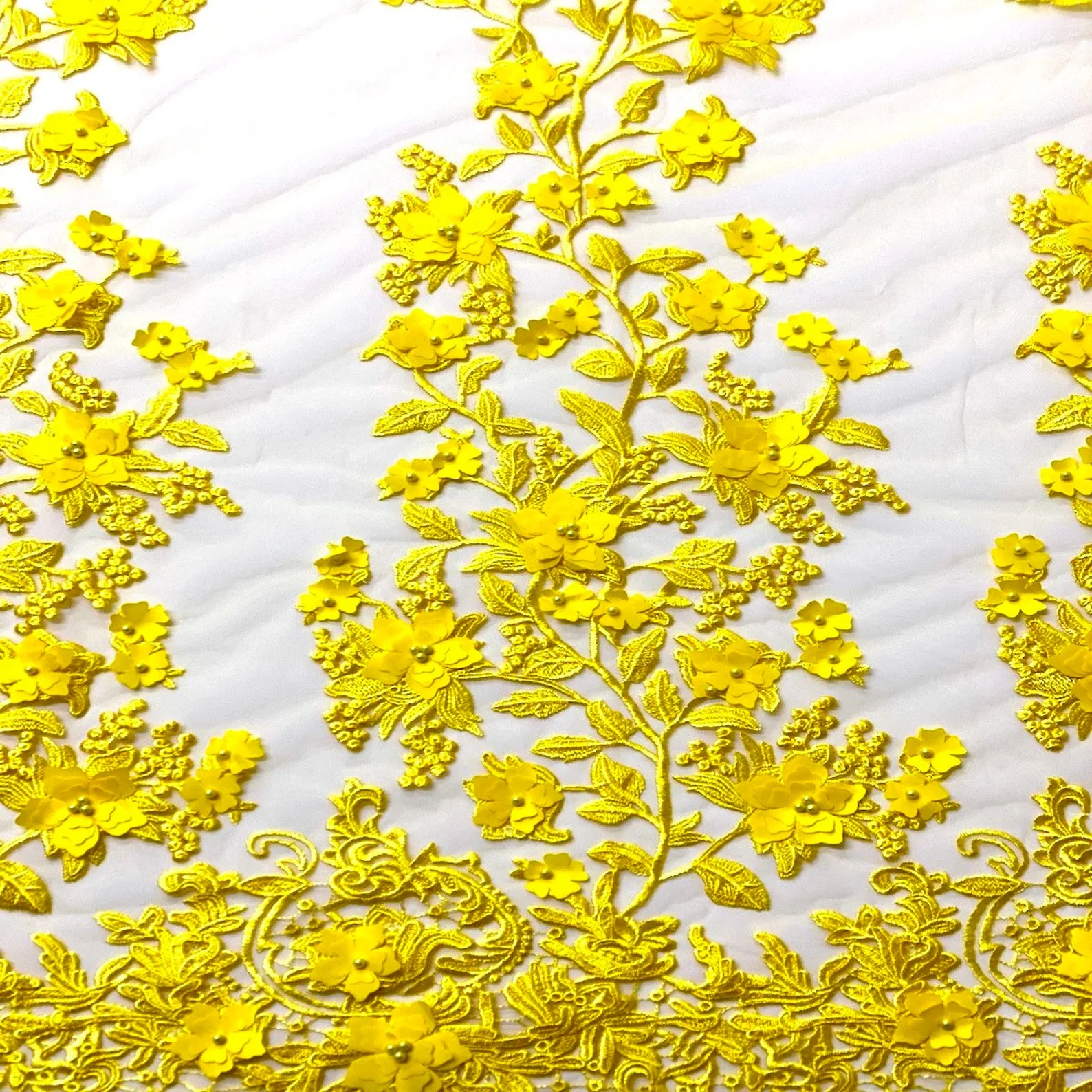
Cording Embroidery: This technique adds a raised, cord-like thread to the fabric, making flowers look three-dimensional. Usually, thin cords like silk or metallic threads outline or fill flower shapes, giving the lace a bold look that works great for borders or main designs.
Needle Lace: One of the oldest forms of lace, needle lace uses a needle and thread to create lace stitches right on the fabric, often without a base. It makes delicate petals and leaves with fine, airy patterns. This method is perfect for detailed and soft-looking floral designs.
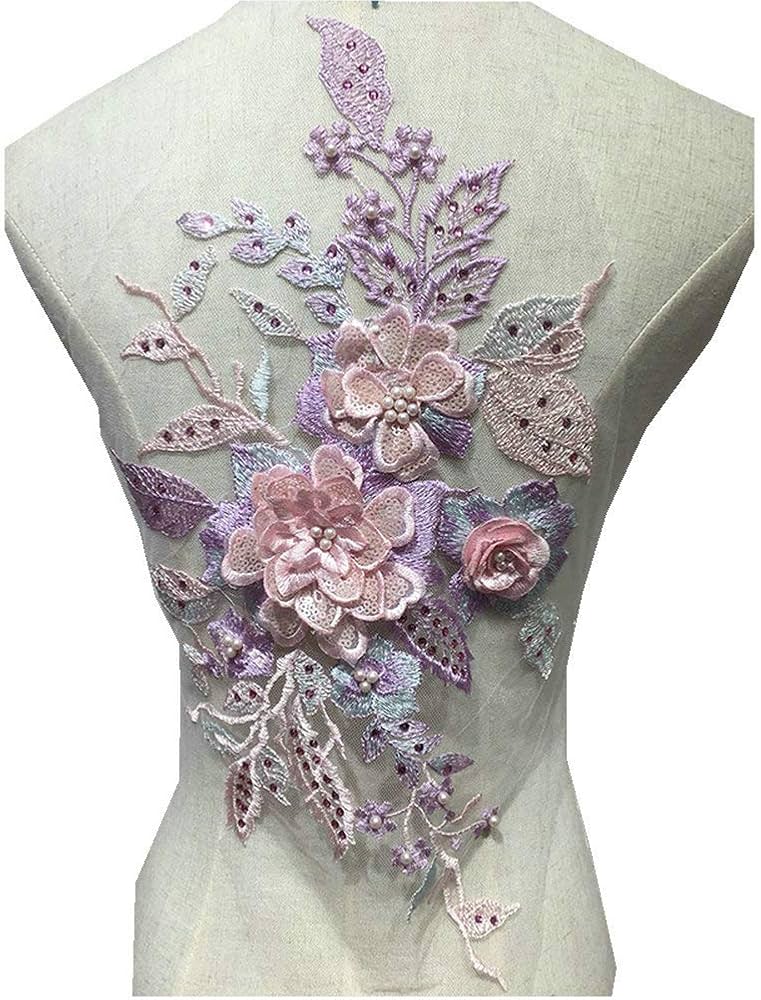
Appliqué: This involves sewing small fabric pieces onto a bigger fabric to make a design. For flower lace, appliqué adds layers of flowers on sheer lace fabric, creating contrast between the lace and solid shapes. You can use different fabrics, colors, and even add beads or sequins for extra decoration.
Satin Stitch Embroidery: A smooth, shiny stitch used to fill large areas. In flower lace, satin stitch makes petals and leaves look solid and polished. It works well with other techniques like needle lace or appliqué to add fullness and shape.
Creative Lace Border Designs: Traditional and Modern Styles
Lace borders add a beautiful finishing touch to clothes and home items. Whether you're decorating clothes, home fabrics, or accessories, lace borders add charm and style. Here are both classic and modern lace border styles:
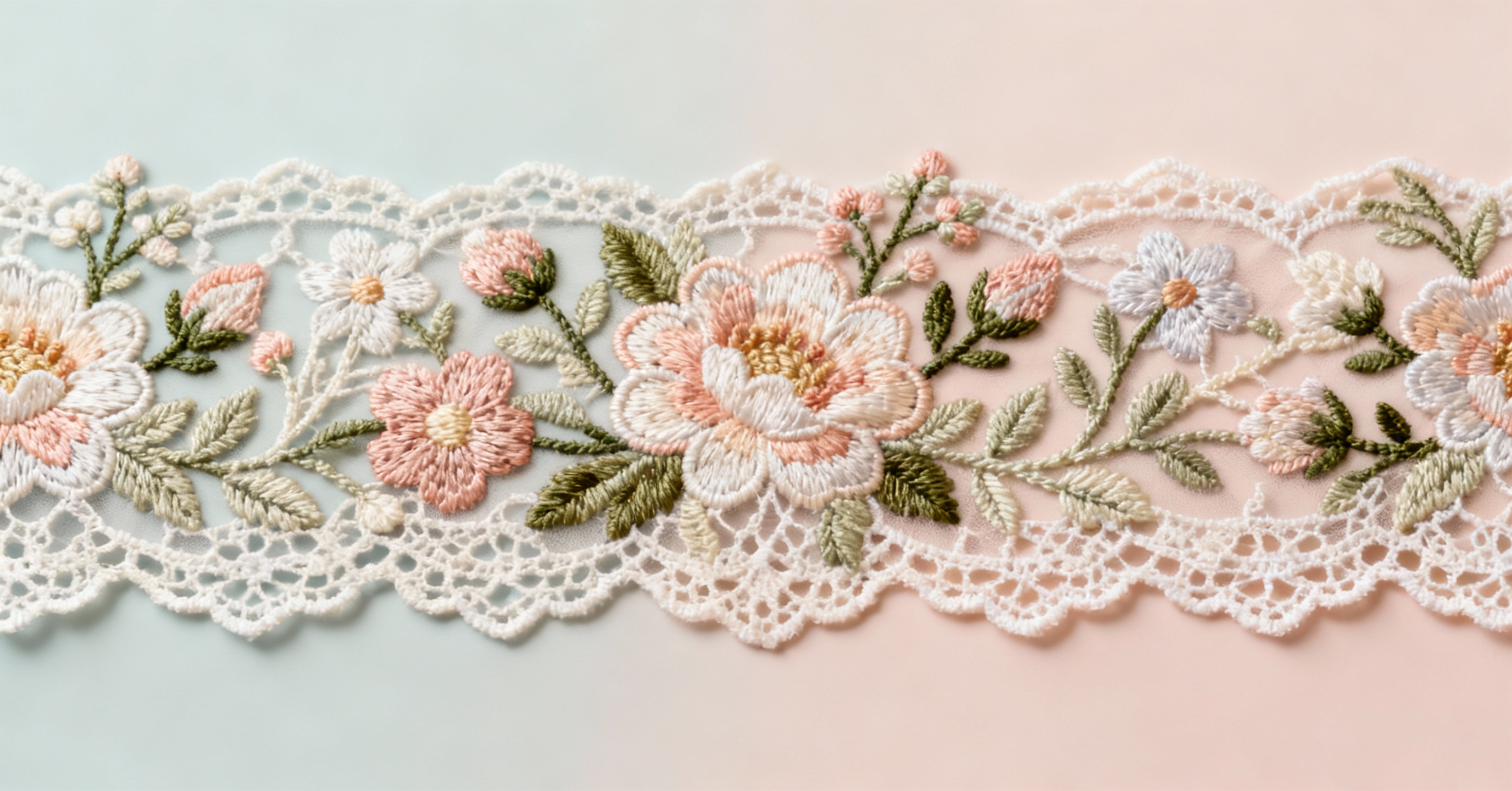
Traditional Lace Borders: These often have detailed flower or geometric patterns. They can be narrow and delicate and usually show floral vines or small flowers. French Chantilly lace with soft floral designs or Venetian lace with heavy, detailed stitches are popular types. These lace borders look great on tablecloth edges, dress hems, or shirt cuffs, adding a classic feel.
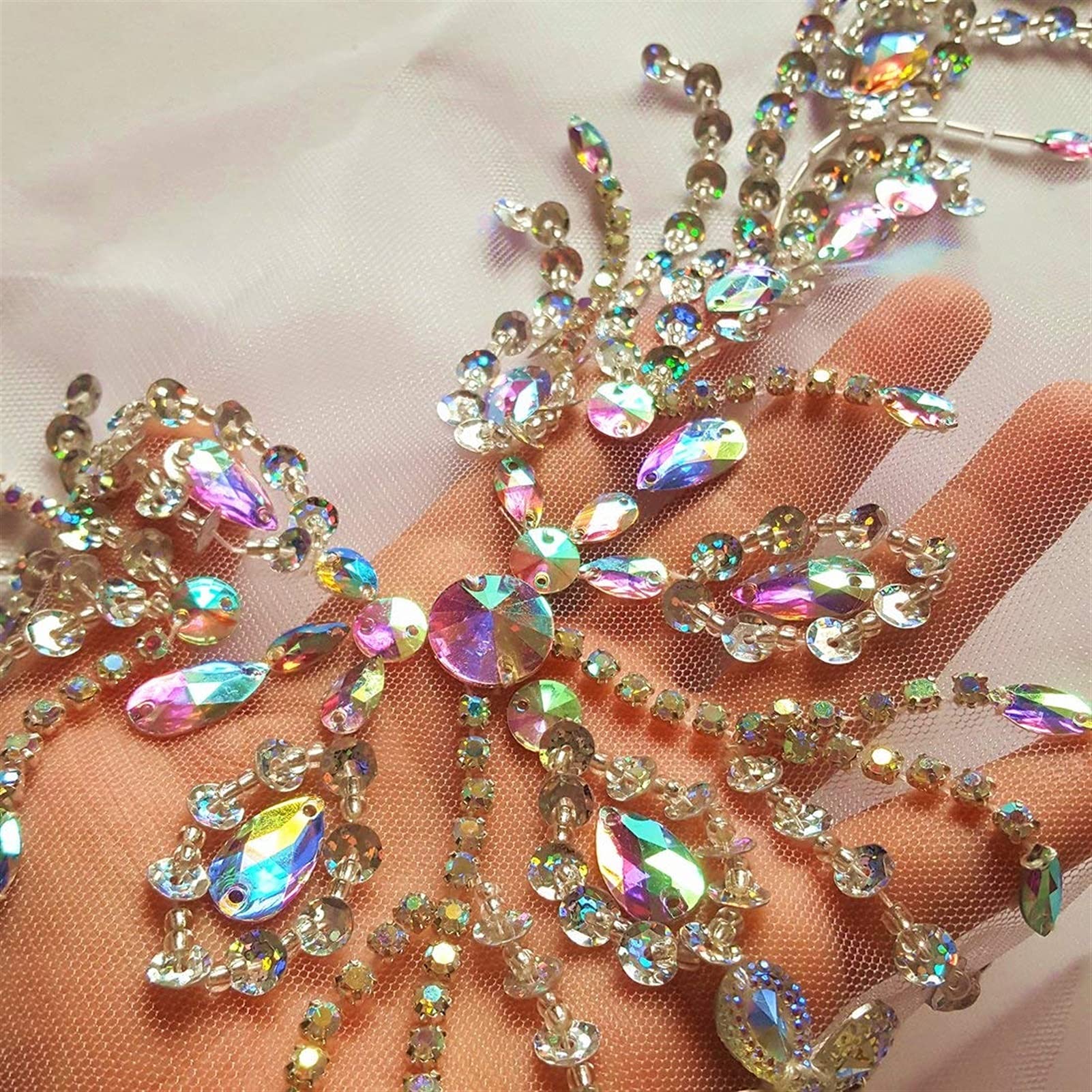
Modern Lace Borders: These are bolder and use new designs like abstract flowers, shapes, or mixed materials. For example, big flower patterns or lace with shiny threads, beads, or sequins make a statement. Modern borders are great for stylish fashion, like dresses, jackets, or accessories. They give an elegant and fresh look to everyday items.
Choosing and Caring for Embroidered Lace
When picking embroidered lace, keep these tips in mind to match your project:
Fabric Type: Pick lace that feels right for your fabric. Lightweight lace suits delicate items like wedding dresses, while heavier lace is better for structured clothes.
Design Style: Choose lace style based on your look. For bold, modern pieces, go for contemporary lace. For vintage or romantic styles, choose detailed floral lace.
Thread Type: Notice the thread used. Silk threads look soft and elegant, while metallic threads add shine.
To keep embroidered lace beautiful:
Wash gently by hand or use a delicate machine setting. Avoid twisting or scrubbing.
Let lace air dry to keep its shape. Don’t use a dryer.
Store in a cool, dry spot, ideally wrapped in tissue or a garment bag.
DIY Projects Using Lace Borders
Embroidered lace borders can be added to many DIY crafts to give them a special look. Here are some ideas:
Add lace borders to shirt or dress hems, necklines, or sleeves for a vintage feel.
Decorate pillows, curtains, or table runners with embroidered flower lace for a soft, cozy look.
Personalize bags, scarves, or headbands with lace borders for a unique touch.
Frame lace designs for wall art or use lace as a stencil to make special patterns on walls.
The Role of Color and Fabric in Flower Lace
Color choices and fabric types greatly affect the look of embroidered flower lace. Traditionally, white and cream lace have been popular for bridal and formal wear, symbolizing purity and elegance. However, colorful embroidered flower lace is becoming more trendy for casual and statement fashion pieces, allowing creative freedom.
Lightweight fabrics like tulle, chiffon, and organza are frequently used as a base for embroidered lace, as they offer a sheer effect that highlights the lace details. Cotton and linen bases, meanwhile, are great for everyday wear and home textile projects.
Modern Trends in Embroidered Flower Lace
Embroidery artists and designers are now experimenting with combining traditional lace techniques with modern materials and digital tools. This leads to new textures and effects, such as mixing lace with 3D-printed elements or using LED threads for illuminated lace designs.
Sustainable and eco-friendly practices are also influencing lace production, with artisans choosing organic threads and natural dyes, which adds value for environmentally conscious consumers.
How to Use Embroidered Lace in Fashion and Home Decor
Embroidered flower lace can be a statement piece or a delicate accent in fashion. Designers use it to create elegant gowns, sophisticated blouses, and even casual wear with lace trims. In home décor, embroidered lace adds charm to curtains, table linens, and cushion covers.
Layering lace over contrasting fabrics can highlight the embroidery and enhance the overall aesthetic. Using lace borders on simple fabric can instantly elevate the item’s elegance.
Conclusion
Embroidered flower lace and lace border designs continue to inspire fashion makers and artists. With a long history and modern appeal, lace offers endless creative chances through delicate flower designs or bold new styles. By learning different embroidery techniques and how to use lace borders, you can turn simple fabric into elegant, timeless pieces.
Today, the blend of traditional embroidery techniques with modern innovations and sustainable practices is opening exciting new possibilities for lace design. This means you can enjoy the charm and delicacy of flower lace while embracing contemporary styles and eco-friendly materials. By learning the key embroidery styles like cording, needle lace, appliqué, and satin stitch, and by choosing the right lace border designs, you unlock endless creative potential.