Introduction
Fashion has always found ways to balance detail and durability. Lace embroidery, sequins, and appliques sit right at that balance point. They add texture, shine, and structure without changing the base fabric too much. Among these options, rhinestone and sequin appliques stand out because they deliver visible impact with relatively simple construction.
These decorative elements are not new. Lace embroidery has been used for centuries, while sequins and rhinestones became popular as manufacturing improved and costs dropped. Today, they are everywhere—bridal wear, evening gowns, dance costumes, casual tops, bags, and even footwear.
Designers and manufacturers rely on rhinestone and sequin appliques because they solve a common problem in fashion: how to make garments look special without rebuilding the entire piece. This article explains how lace embroidery, sequins, and appliques work, with a clear focus on rhinestone and sequin appliques, using real examples and practical insights.
The Problem: Making Garments Stand Out Without Complexity
Fashion brands face constant pressure to create products that look different from competitors. Customers want clothing that feels special, but they do not always want higher prices or uncomfortable fabrics.
Plain fabrics can look flat, especially under lighting or in photos. Fully embroidered garments can be heavy, expensive, and time-consuming to produce. Printed designs fade over time and often lack texture.
This is where lace embroidery, sequins, and appliques come into play. They allow designers to enhance garments without changing the entire construction. However, many people do not understand how these elements differ or how to choose the right one.
The Agitation: When Decoration Goes Wrong
Decoration can quickly turn into a problem if done poorly. Cheap sequins can fall off. Poorly attached rhinestones can scratch skin. Heavy lace embroidery can make garments stiff or uncomfortable.
Manufacturers also struggle with consistency. A design that looks good in one batch may fail quality checks in another. Consumers experience frustration when decorative elements break after a few wears.
Without understanding materials, attachment methods, and proper use cases, designers and buyers risk wasting time and money. Rhinestone and sequin appliques solve many of these issues—but only when used correctly.
The Solution: Understanding Lace Embroidery, Sequins, and Appliques
What Are Lace Embroidered Designs?
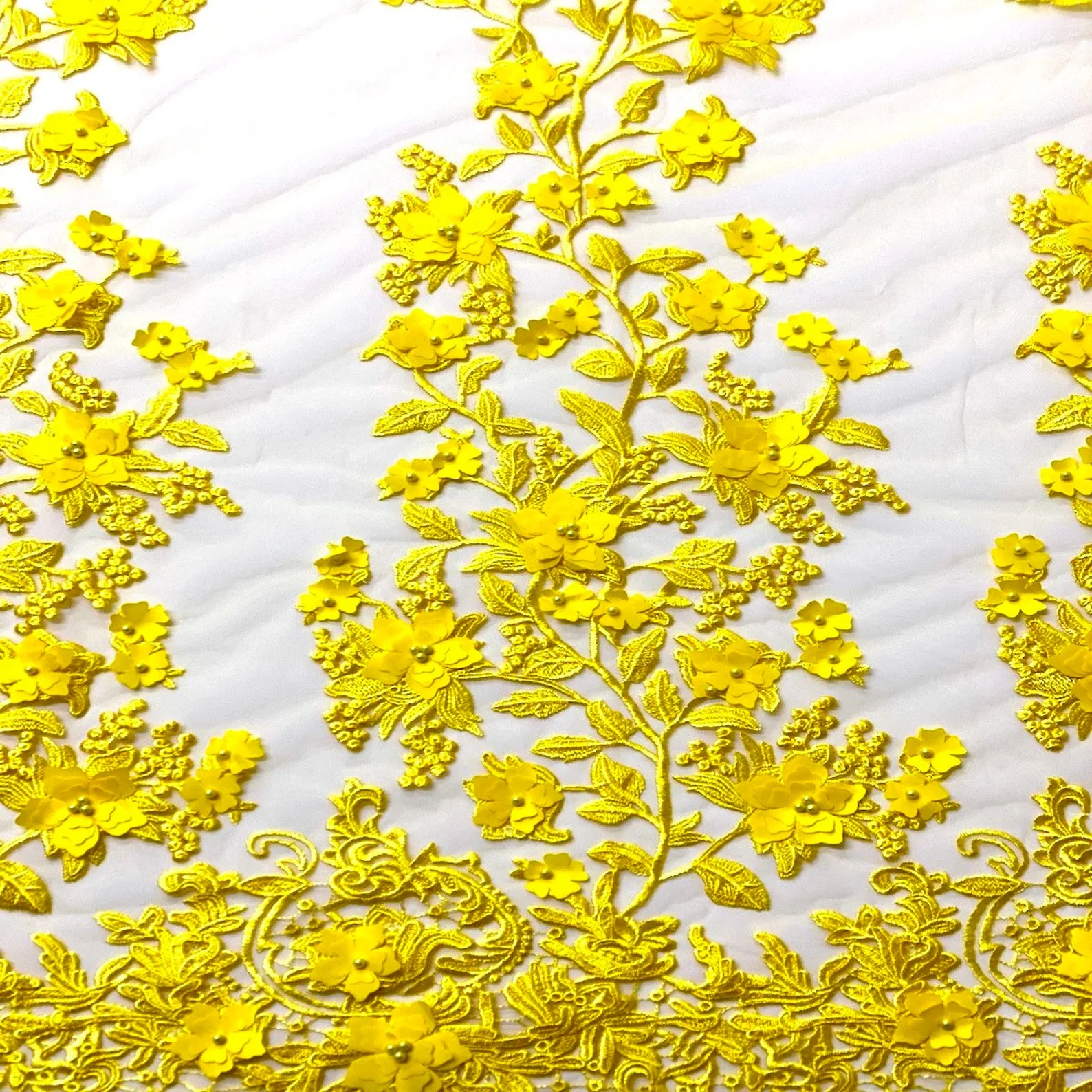
Lace embroidery combines threadwork with open patterns. It is usually stitched onto a net or sheer base fabric. Lace embroidery is known for:
-
Detailed thread patterns
-
Lightweight structure
-
Breathability
-
Traditional and modern applications
It is commonly used in bridal wear, blouses, cuffs, and decorative panels.
What Are Sequins?
Sequins are small, flat discs made from plastic, metal, or resin. They reflect light and create movement. Sequins can be sewn directly onto fabric or used as part of an applique.
Common features include:
-
High shine
-
Lightweight feel
-
Variety of sizes and colors
-
Machine or hand application
Sequins are popular in evening wear, stage costumes, and festive outfits.
What Are Appliques?
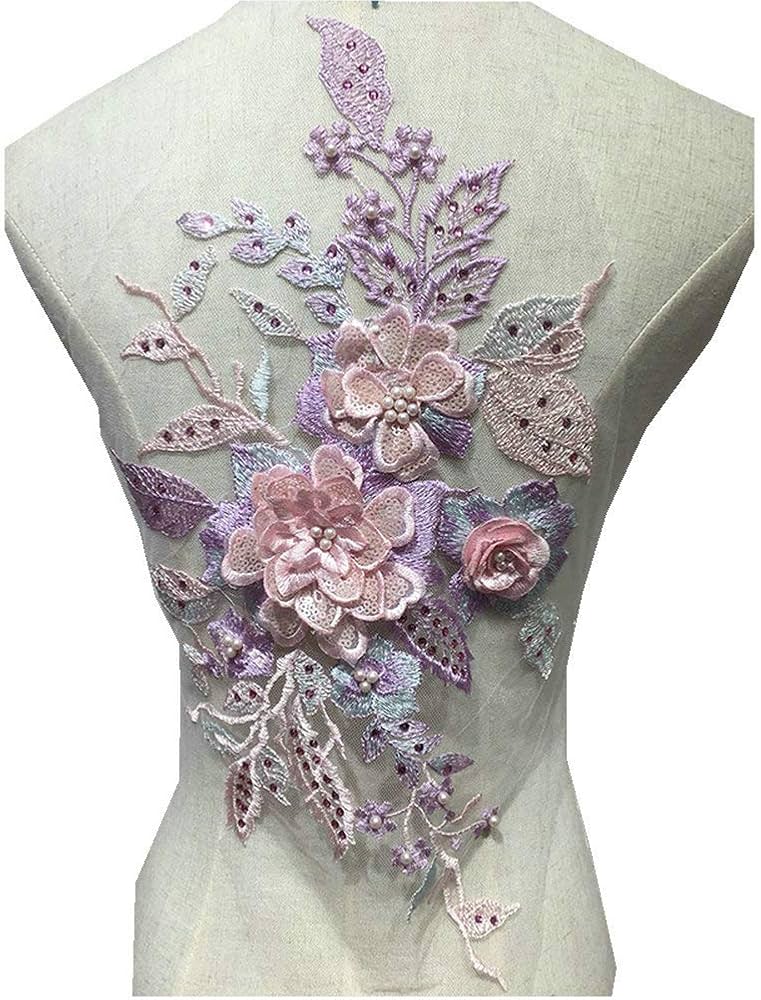
Appliques are decorative pieces attached to fabric rather than embroidered directly onto it. They can be made from lace, fabric, beads, rhinestones, or sequins.
Appliques are usually:
-
Pre-made
-
Easy to apply
-
Flexible in placement
-
Replaceable if damaged
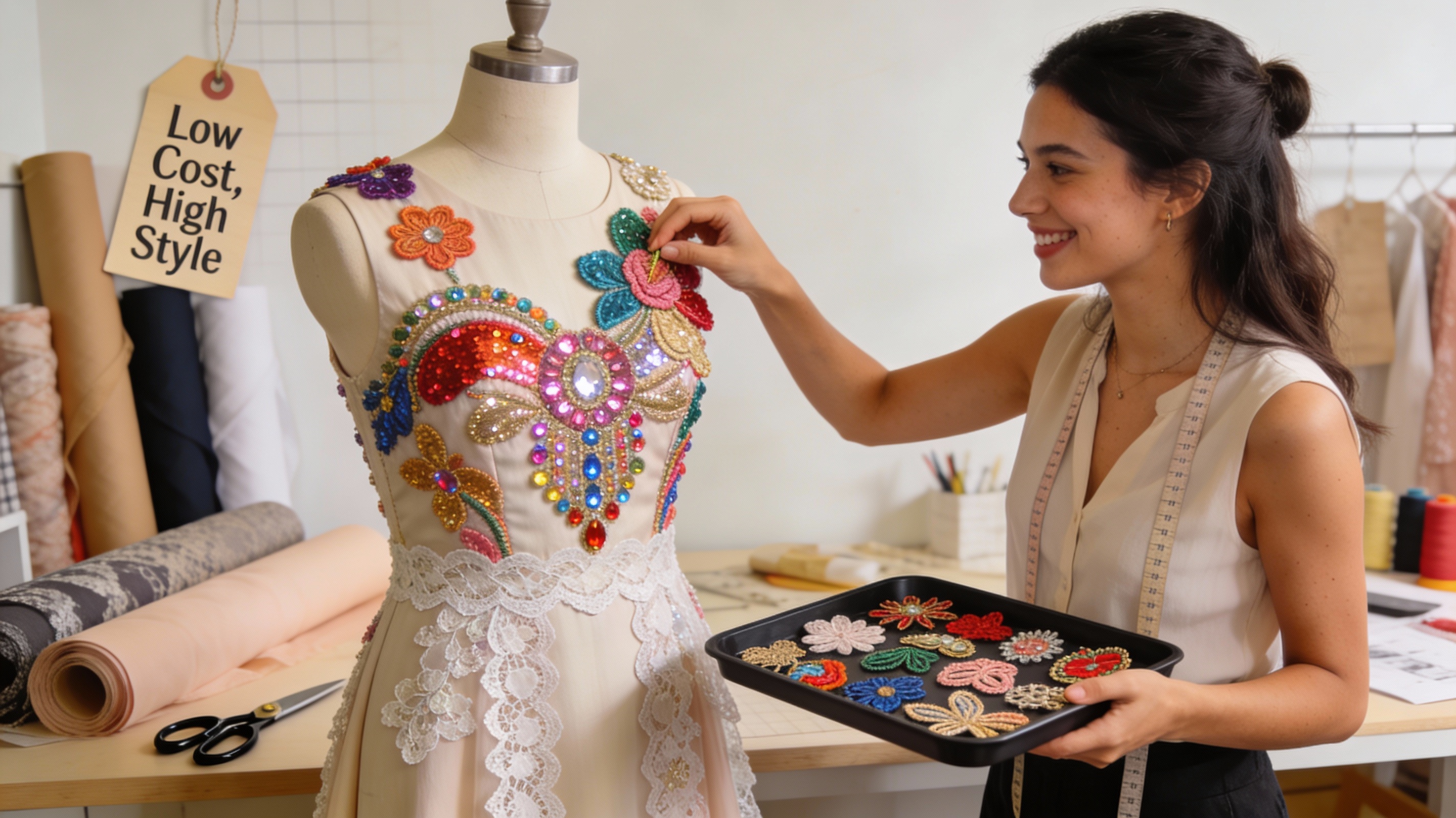
This makes them practical for both mass production and custom design.
Focus Feature: Rhinestone and Sequin Appliques
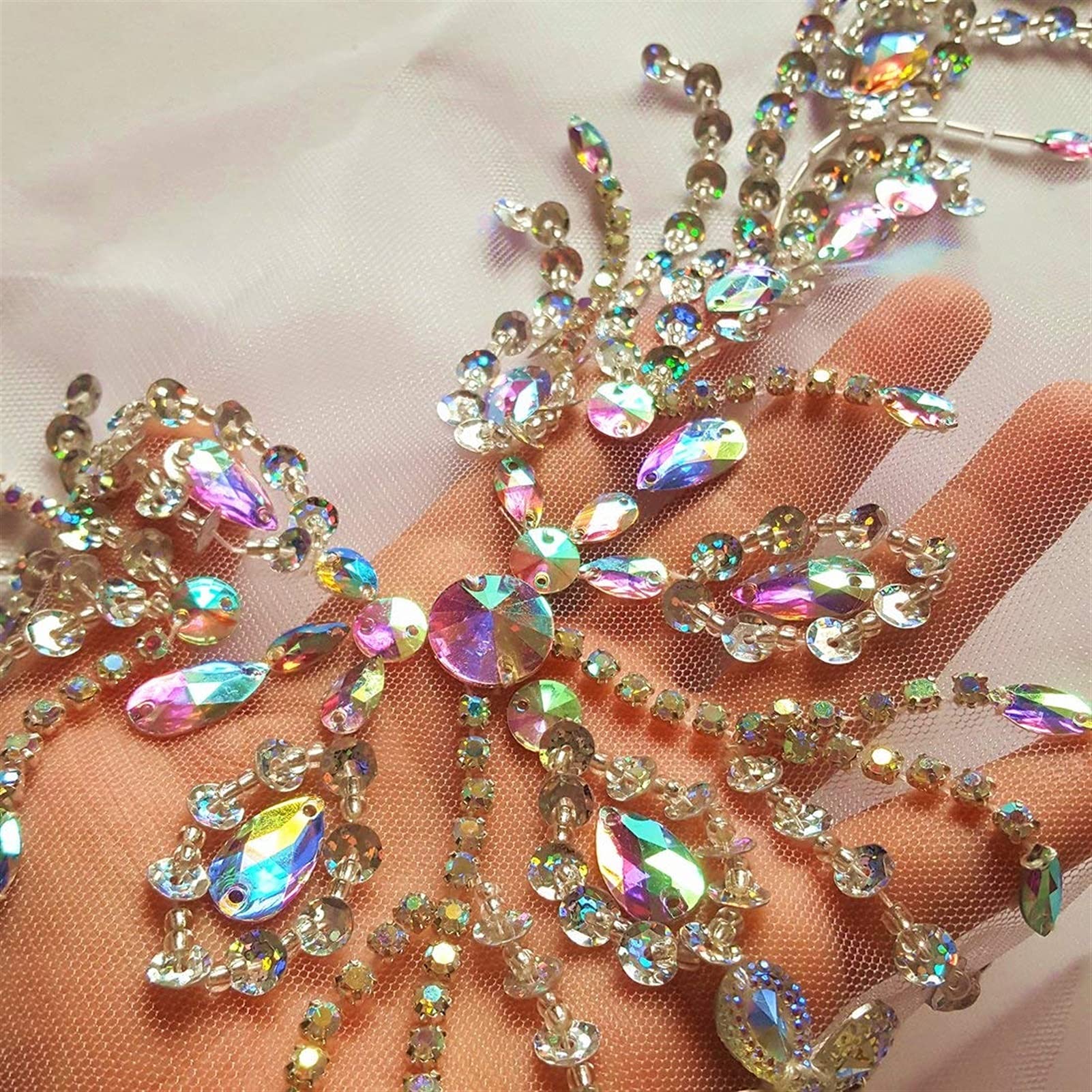
Rhinestone and sequin appliques combine shine and structure in one unit. They are often mounted on mesh, felt, or lace backing and attached by sewing, heat bonding, or adhesive.
Materials Used
-
Rhinestones
-
Glass or acrylic
-
Flat-back or pointed-back
-
Clear or colored
-
-
Sequins
-
Plastic or metallic
-
Matte or glossy finish
-
Round, square, or custom shapes
-
-
Backing Materials
-
Tulle
-
Lace
-
Polyester mesh
-
Attachment Techniques
-
Sew-on: Most secure, best for garments washed often
-
Heat-fix: Faster, common in ready-to-wear
-
Adhesive: Used for accessories and non-wash items
Each method affects durability, cost, and comfort.
Design Flexibility
Rhinestone and sequin appliques allow designers to:
-
Add shine only where needed
-
Highlight logos or focal areas
-
Customize plain garments
-
Reduce production time
They can be symmetrical, scattered, or shaped into motifs like flowers, lines, or geometric forms.
FAQs
1. Are rhinestone appliques durable?
Yes, when properly attached. Sew-on rhinestone appliques last longer than glued ones, especially after washing.
2. Can sequin appliques be washed?
Most can be hand-washed or machine-washed on gentle cycles. Turning garments inside out helps protect them.
3. Are rhinestones heavy?
Glass rhinestones weigh more than acrylic ones. Designers choose materials based on garment type and comfort needs.
4. Do appliques affect fabric stretch?
They can. Stretch fabrics need flexible backing and spacing to maintain movement.
5. Are these appliques suitable for casual wear?
Yes. Smaller and simpler designs are commonly used on t-shirts, denim jackets, and casual dresses.
6. Can appliques be removed or replaced?
In most cases, yes. Sewn appliques are easier to replace than heat-fixed ones.
Real-World Examples
Case Study 1: Bridal Boutique Customization
A bridal boutique in New York faced frequent requests for custom gowns without increasing base prices. Instead of redesigning entire dresses, they began adding rhinestone lace appliques to bodices and waistlines.
This approach allowed brides to personalize gowns while keeping production costs stable. The boutique reported fewer fitting issues and higher customer satisfaction because appliques could be adjusted or replaced during fittings.
Case Study 2: Dance Costume Manufacturing
A dancewear manufacturer producing competition costumes struggled with durability. Fully sequined fabrics tore easily during movement.
They switched to reinforced sequin appliques placed on high-impact areas like shoulders and hips. This reduced fabric stress and increased costume lifespan. Performers also reported better comfort and flexibility.
Why Designers Keep Choosing Rhinestone and Sequin Appliques
-
Faster production compared to full embroidery
-
Controlled placement reduces fabric damage
-
Easy to update seasonal designs
-
Lower waste and repair costs
These benefits explain why appliques remain popular across fashion levels, from small studios to large factories.
Conclusion
Lace embroidery, sequins, and appliques each play a role in modern fashion. Rhinestone and sequin appliques stand out because they solve common design problems without adding complexity.
They offer shine, flexibility, and control. When chosen carefully and applied correctly, they improve garment appeal, durability, and comfort.
Whether you are a designer, buyer, or fashion enthusiast, understanding how these decorative elements work helps you make better choices. Explore different styles, test attachment methods, and use appliques as tools—not shortcuts—to create lasting designs.