Introduction: Why Beaded and Sequin Appliqués Matter Today
Beaded and sequin appliqués are small decorative pieces made with beads, sequins, fabric patches, or embroidery, which are stitched or glued onto garments, accessories, or craft items. They are common in fashion design, stage costumes, bridal wear, handbags, dance outfits, home décor pieces, and even DIY projects.
These embellishments matter because they allow designers to add detail and personality without designing an entire garment from scratch. A single applique can change the look of a dress, revive an old fabric, or add precision to costumes where visual impact is important.
But many designers, students, and hobbyists struggle with choosing the right appliqués. The wide variety — beads, sequins, patches, embroidered motifs — can feel confusing if you don’t know what each type does or how it performs on different fabrics.
This is where the PAS framework helps.
Problem: Designers Struggle With Choosing the Right Decorative Elements
Whether someone is working on a dance costume, a wedding dress, a fashion school project, or a DIY craft, the biggest challenge is choosing embellishments that:
-
look professional
-
hold up during use or movement
-
match the fabric
-
are easy to attach
-
stay durable after washing
-
do not drastically increase production cost
Beads and sequins come in many shapes and qualities. Some are hand-sewn, others are machine-embroidered. Some last for years; others fall off easily. Beginners often buy embellishments based on how shiny or attractive they look, not understanding that durability, weight, material, and backing fabric matter just as much.
This leads to issues such as:
-
appliqués slipping off the garment
-
heavy appliqués stretching delicate fabrics
-
colors fading over time
-
seams puckering due to incorrect placement
-
discomfort for the wearer
-
designs looking uneven or low quality
Agitate: These Problems Impact Creativity and Production Quality
Small issues with appliqués can quickly compound during production.
For fashion brands, poorly chosen appliqués can lead to customer complaints, returns, and quality failures.
For costume designers, a single bead coming loose during a performance can affect the entire look on stage.
For hobbyists, buying the wrong applique results in wasted money and frustration.
Even experienced designers face challenges when sourcing appliqués from new suppliers. Since many appliqués come from bulk manufacturing hubs like India, China, and Vietnam, quality varies widely.
Without the right knowledge, choosing appliqués becomes a gamble — and creativity is compromised by uncertainty.
Solution: Understanding Beaded and Sequin Appliqués Makes Selection Easier
The good news is that once you understand the types, construction methods, and ideal use-cases of appliqués, the entire process becomes much easier.
Beaded and sequin appliqués offer predictable benefits when selected correctly:
-
They deliver instant detail and texture.
-
They reduce production time compared to full embroidery.
-
They offer consistent shapes and patterns across multiple garments.
-
They allow controlled placement, giving designers creative freedom.
-
They come in ready-to-use motifs, saving cost and labor.
Let’s explore their features and benefits.
Features and Benefits of Beaded and Sequin Appliqués
1. Types of Appliqués
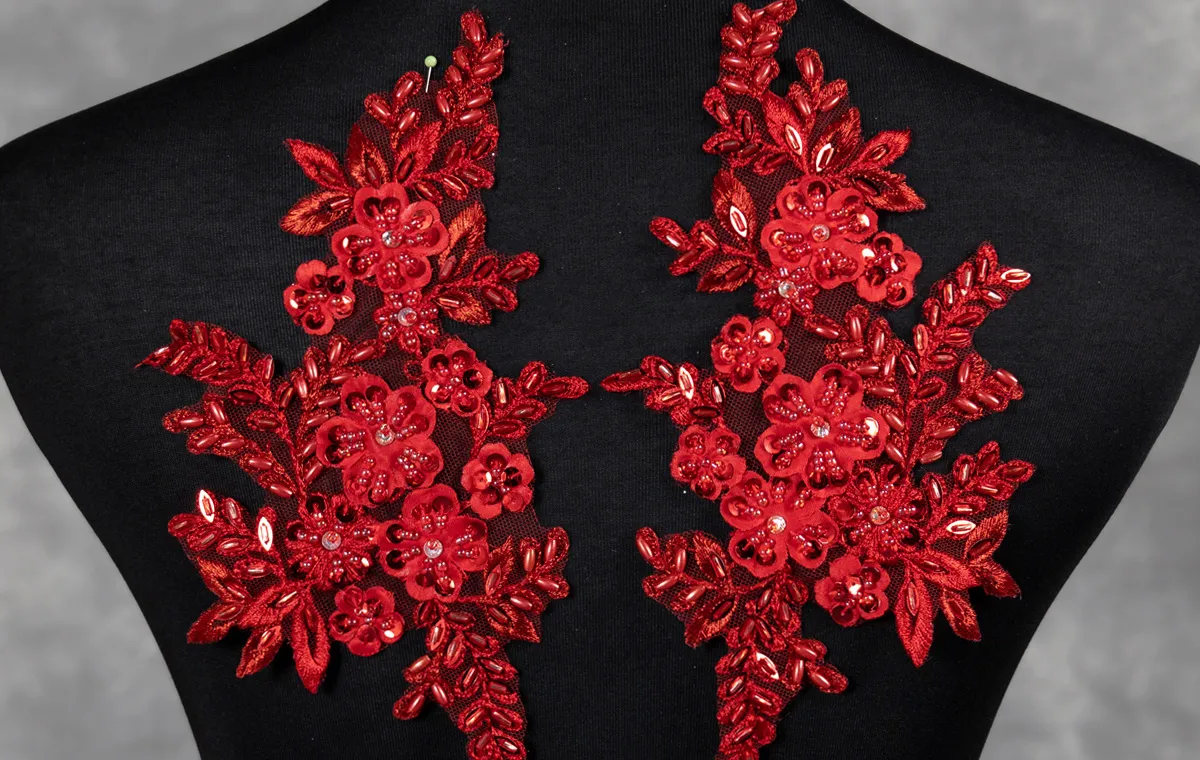
a. Beaded Appliqués
These motifs use beads such as:
-
glass beads
-
resin beads
-
seed beads
-
pearls
-
metallic beads
They create textured, raised designs often used in bridal gowns, evening wear, bags, and couture pieces.
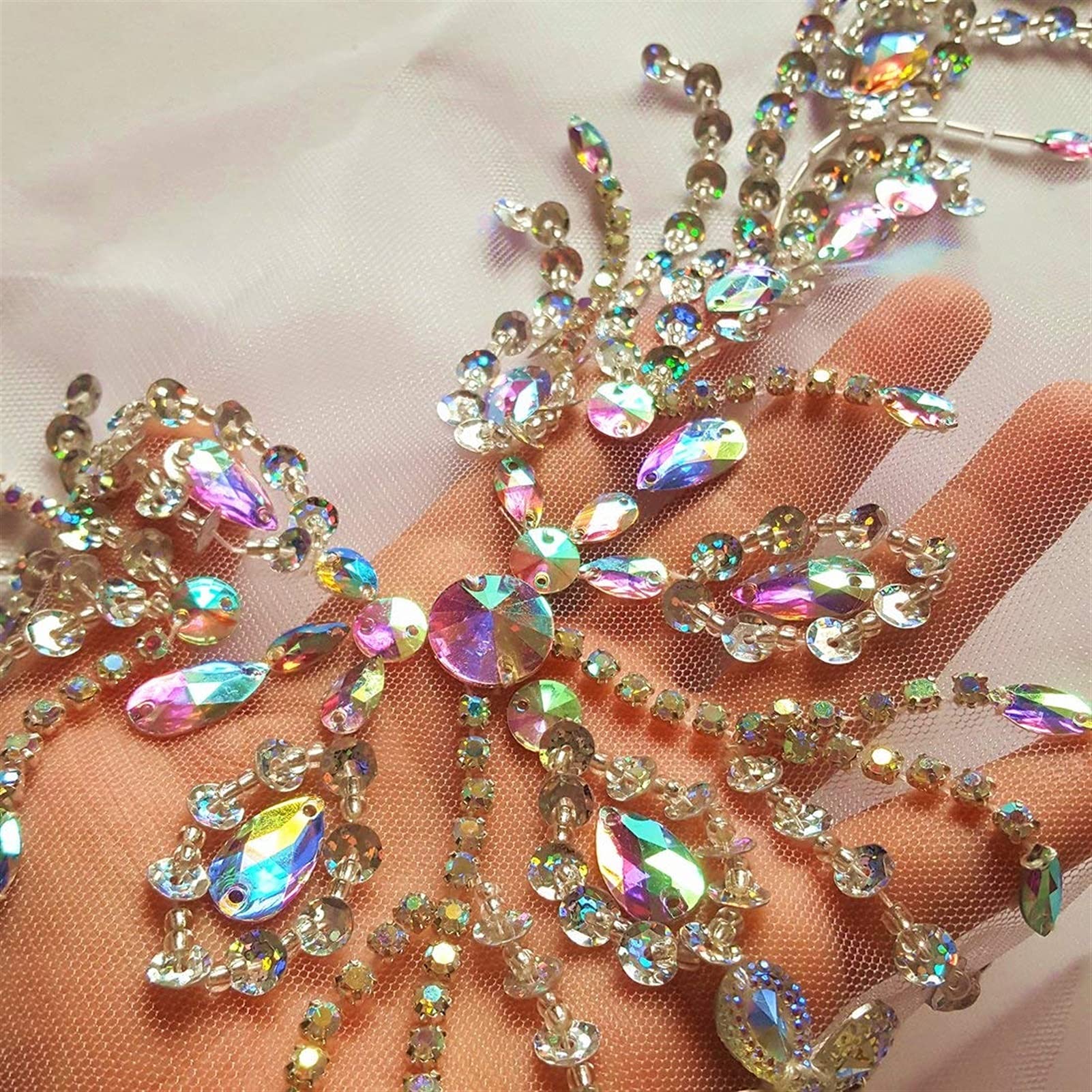
b. Sequin Appliqués
These are made with sequins in different shapes and finishes:
-
flat sequins
-
cup sequins
-
holographic sequins
-
matte sequins
-
metallic sequins
They are popular for dance costumes, festival outfits, children’s dresses, and stage wear because they catch light effectively.
c. Bead-and-Sequin Combination
Many appliqués combine both. This layered design gives dimension, making it perfect for decorative collars, saree borders, lehengas, and gowns.
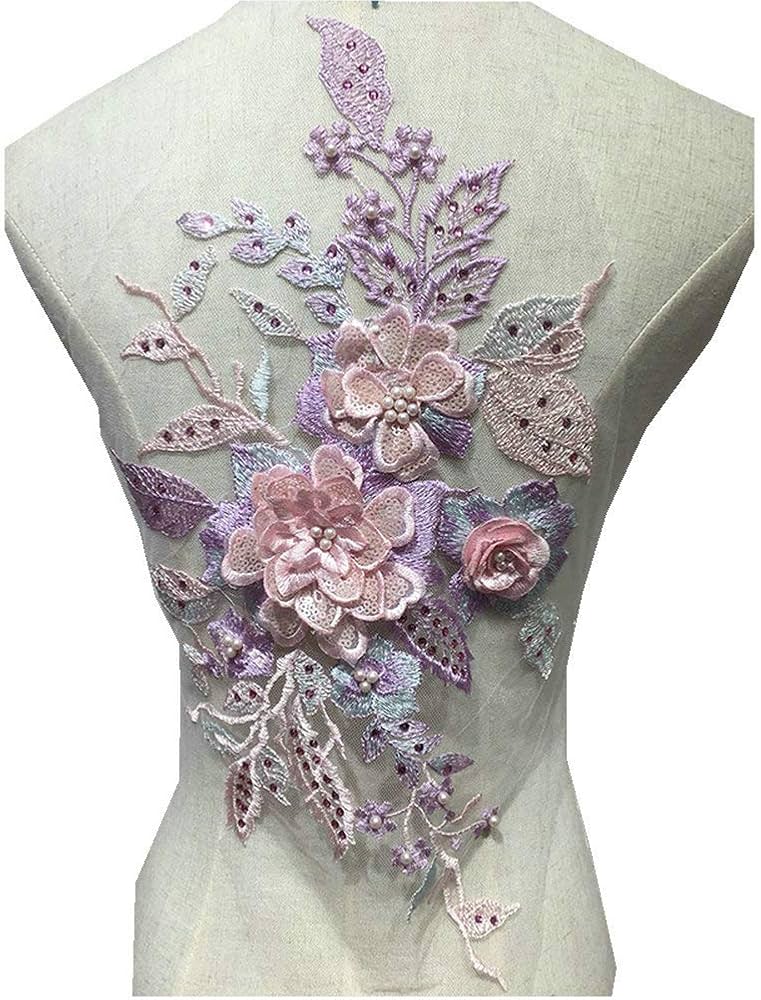
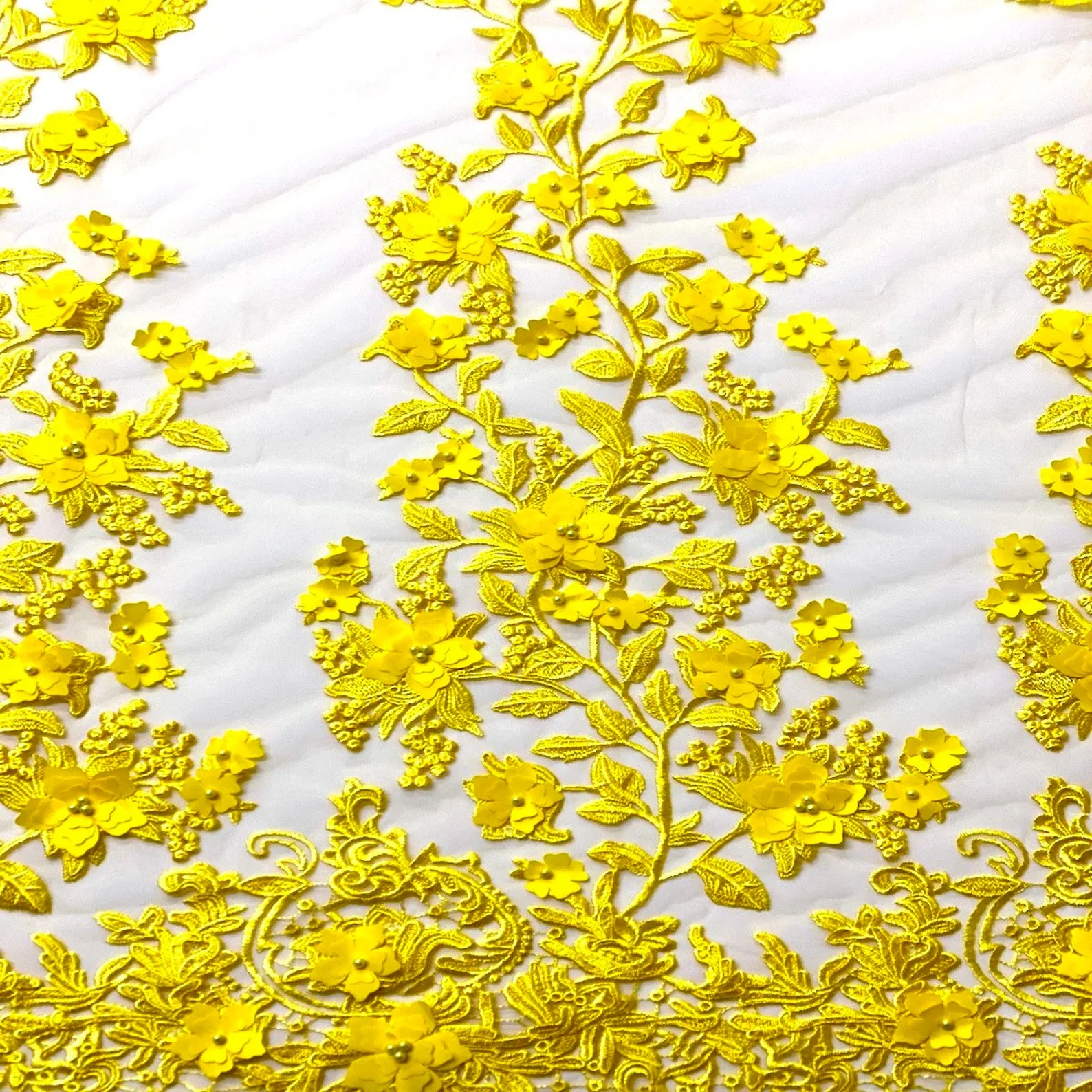
d. Fabric Appliqués with Embellishment
These appliqués use base fabrics like:
-
tulle
-
organza
-
felt
-
satin
-
cotton canvas
Designs are cut from the base fabric and enhanced with beads or sequins.
2. Materials Used
Appliqués commonly feature:
-
polyester threads for durability
-
invisible nylon thread for clean finishing
-
cotton backing for stability
-
adhesive or heat-bonding layers
-
plastic, resin, or metal beads
-
PET or PVC sequins
The choice of material affects weight, flexibility, and washing performance.
3. Benefits of Using Appliqués
a. Saves time
Instead of embroidering each garment individually, designers can quickly attach ready-made motifs.
b. Cost-efficient
You avoid the high labor cost of hand embroidery.
c. Easy to customize
Appliqués come in countless shapes: floral, geometric, abstract, animal motifs, initials, or brand-specific icons.
d. Works for both small and large productions
Fashion schools, home businesses, and large manufacturers all use appliqués.
e. Ideal for upcycling
You can refresh old jackets, bags, or dresses by adding stylish appliqués.
f. Lightweight options available
Perfect for delicate fabrics like chiffon, tulle, or net.
4. How to Attach Appliqués
There are three common methods:
-
Sewing (most secure)
-
Fabric glue (used for quick DIY projects)
-
Heat press / ironing (for appliqués with a hot-melt backing)
Professionals usually prefer sewing to ensure reliability during movement or washing.
Real-World Examples & Case Studies
1. Bridal Wear Industry (India, Europe, Middle East)
Bridal designers frequently use beaded appliqués on veils, bodices, sleeves, and waistlines.
For example, many Indian bridal brands source hand-beaded floral appliqués from embroidery clusters in Mumbai and Kolkata. These pieces provide a detailed look without making the lehenga too heavy.
European designers often use sequinned lace appliqués for a soft shimmer effect on wedding gowns. According to bridal market data from 2023, over 40% of premium bridal collections incorporate pre-made appliqué motifs to speed up production times.
2. Dance and Performance Costumes
Dancewear companies rely heavily on sequin appliqués because they must reflect stage lighting.
A case study from a UK-based costume studio (2022) found that switching from full sequin embroidery to appliqué-based designs reduced production time by 35% while maintaining visual impact under stage lights.
3. Streetwear and Ready-to-Wear Brands
Streetwear labels often use patches with sequins or beads to add uniqueness to denim jackets, hoodies, and bags.
Several Korean and Japanese fashion brands have popularized beaded logo appliqués as a cost-effective alternative to full embroidery.
4. DIY and Small Craft Businesses
Home-based creators on platforms like Etsy often use floral beaded appliqués to customize tote bags, headbands, and handmade dresses.
Since appliqués do not require industrial machines, they are ideal for beginners.
FAQs About Beaded & Sequin Appliqués
1. Are appliqués washable?
Most high-quality appliqués are washable if sewn properly. Hand washing is recommended. Avoid strong detergents or high heat.
2. Can appliqués fall off easily?
If glued only, yes. Sewing gives the best long-term hold, especially for garments that move or stretch.
3. Are sequin appliqués heavy?
Some can be heavy, depending on bead or sequin density. Always match applique weight with fabric strength.
4. Where are appliqués commonly used?
They are used in bridal wear, dance costumes, couture fashion, children’s clothing, accessories, and home décor.
5. Can beginners use appliqués?
Absolutely. Many ready-made appliqués are simple to apply, even with basic hand-sewing skills.
6. Do appliqués work on stretch fabric?
Yes, but choose lightweight, flexible appliqués to avoid pulling or distortion.
7. Are appliqués expensive?
Prices vary widely. Machine-made appliqués are affordable; hand-beaded ones are more costly due to labor.
Conclusion
Beaded and sequin appliqués play an important role in fashion, performance wear, and DIY projects. They offer a mix of style, affordability, and practicality that makes them suitable for both small designers and large-scale manufacturers. Understanding their materials, types, and applications helps in choosing the right pieces for any project. Whether you’re working on a wedding dress, a stage costume, or simply customizing a jacket at home, appliqués give you the freedom to enhance your designs without complicating the process.