The Rich Tradition of Lace Borders, Sequins, and Appliques in Military Uniforms
When we think of military uniforms, we often envision practical, utilitarian designs. However, a closer look reveals a wealth of intricate decorative elements that have played a significant role in shaping the appearance and symbolism of military attire. Among the most striking of these are lace borders, sequins, and appliques. These ornamental features have not only served to enhance the visual appeal of uniforms but also to convey messages of rank, status, and regimental pride.
In this blog post, we’ll explore the historical origins of lace borders, sequins, and appliques in military and ceremonial dress. We’ll examine their materials, techniques, and evolving use across different periods and armies, as well as their significance in marking rank, unit affiliation, and social status.
Lace Borders: A Symbol of Elegance and Status
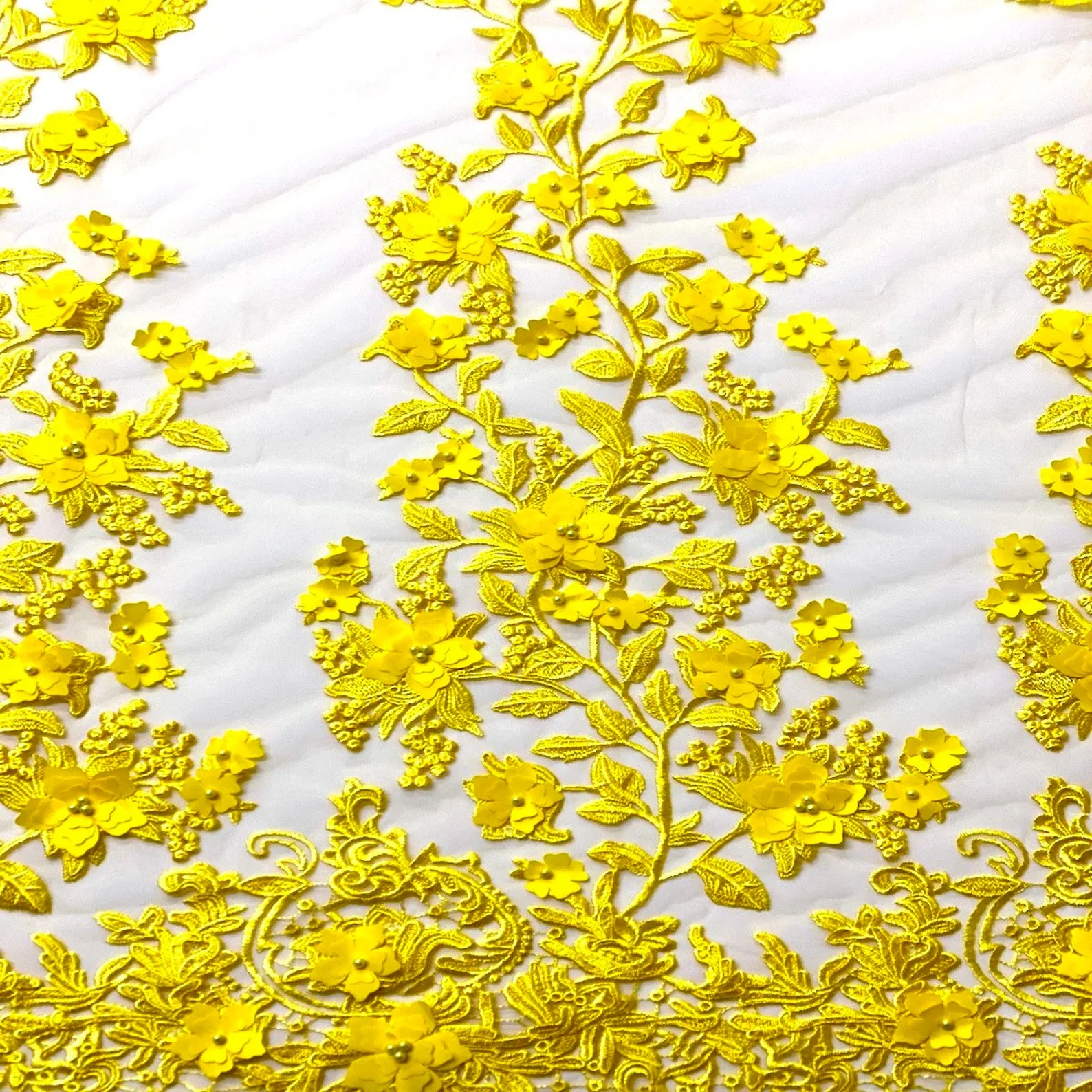
Lace, an intricate fabric formed from threads of cotton, silk, or metallic yarn, has long been used to adorn clothing, particularly in ceremonial and military garments. The history of lace borders in military uniforms can be traced back to the 17th century, during the Baroque period, when elaborate fashions became a hallmark of European courts and armies.
Materials and Techniques
The most common types of lace used in military uniforms include needle lace, bobbin lace, and braid lace. Needle lace is created by hand-stitching delicate patterns with a needle, often incorporating metallic threads to enhance its visual impact. Bobbin lace, on the other hand, is made by twisting threads around bobbins and weaving them into intricate patterns. This type of lace was particularly favored for its durability and ornate designs.
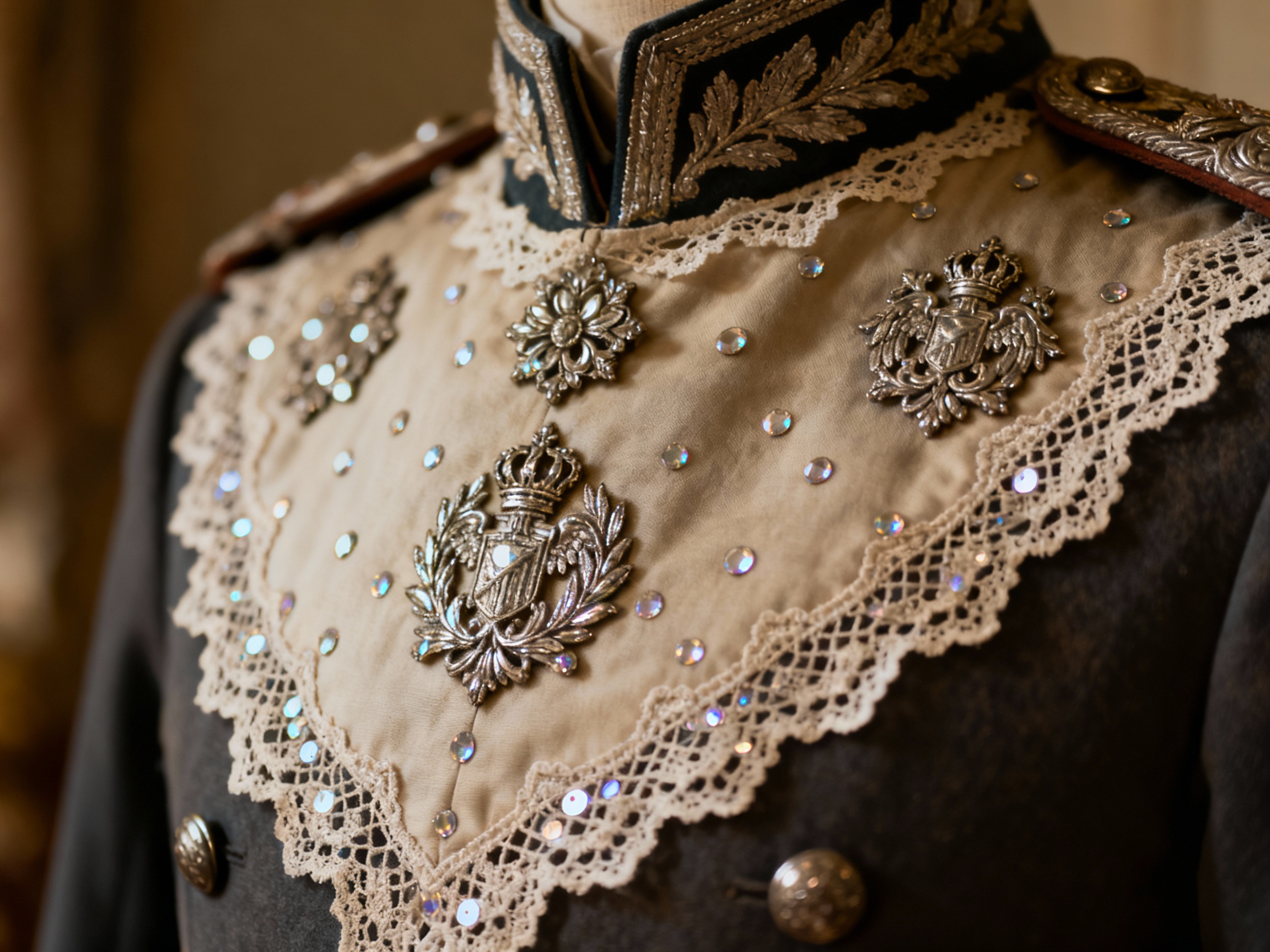
In military uniforms, lace borders were often applied to the cuffs, collars, and epaulets of officers' coats. These laces were often woven with metallic threads such as gold, silver, or copper, giving them a rich, eye-catching quality. The use of gold lace, for example, became synonymous with officers of high rank and royal units in European armies. The British, French, and Russian military forces all utilized gold and silver lace in their ceremonial dress uniforms.
Historical Examples
One of the most iconic examples of lace borders in military uniforms comes from the British Army during the 18th and 19th centuries. The “lace” worn on the cuffs and collars of British officers' uniforms signified both their rank and their connection to the monarchy. In the case of French military dress during the reign of Napoleon, lace was similarly used to denote status, with elaborate lacework featured in the uniforms of the Imperial Guard. The Russian Imperial Army, known for its grandeur, also favored lace in their ceremonial uniforms, with gold lace being used to highlight the regalia of the Tsar’s troops.
Sequins on Uniforms: Adding Visual Impact and Symbolism
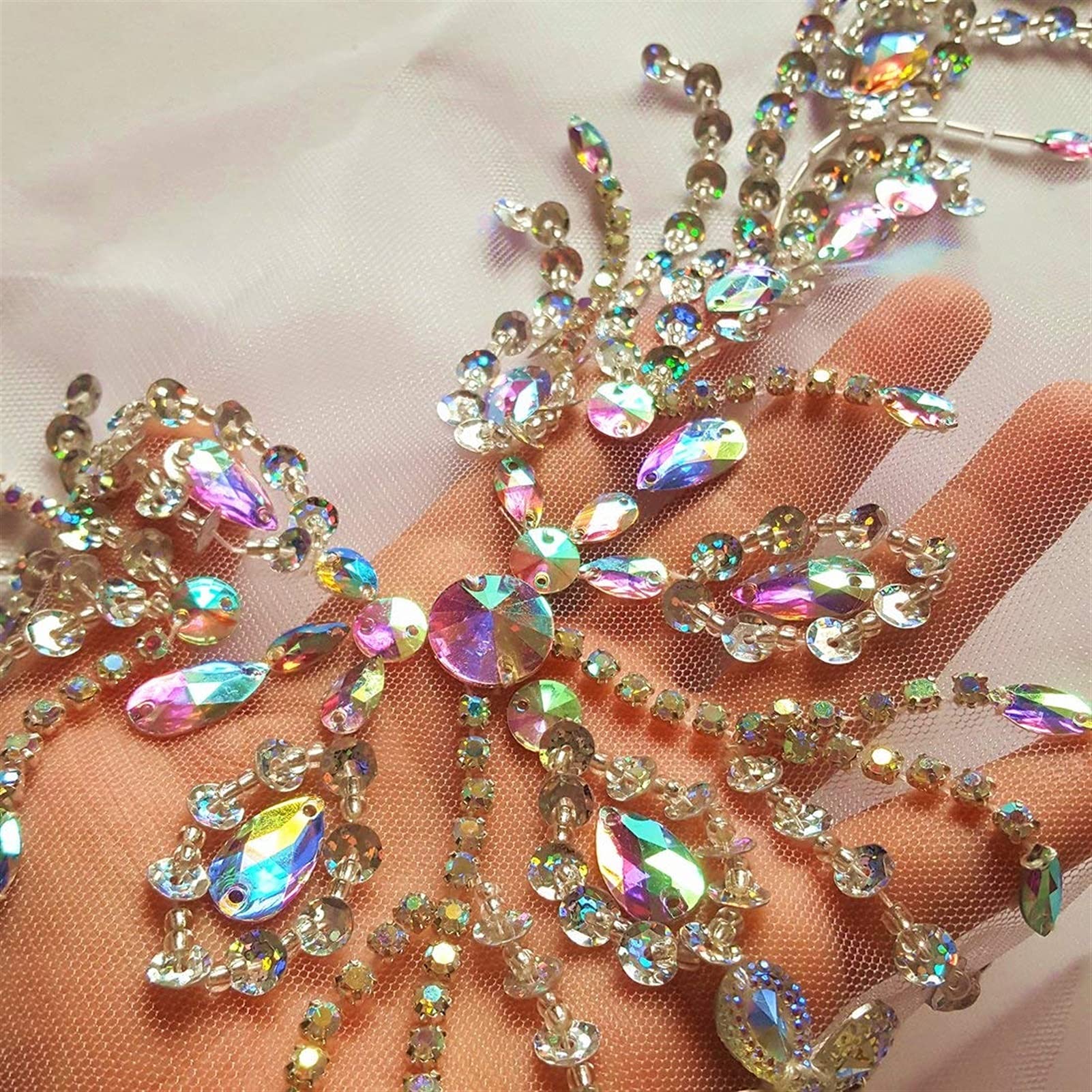
The use of sequins—small, shiny discs used to add sparkle and brilliance to fabric—has been another important ornamental feature in military and ceremonial uniforms. While sequins today are often associated with fashion and evening wear, their historical use in military dress was about more than just aesthetics. They were used as a form of rank insignia and to highlight a soldier’s status.
The Role of Sequins in Military Uniforms
Sequins were initially introduced in the 18th and 19th centuries, particularly for the uniforms of officers in royal and ceremonial units. These glittering elements were sewn onto jackets, epaulets, and other parts of the uniform, creating a visual effect that caught the light and attracted attention. The presence of sequins signified a higher rank or more prestigious position within the military hierarchy.
In particular, sequins were used on parade uniforms and full dress uniforms—attire worn during official ceremonies, inspections, or other public events. The use of sequins not only made officers stand out but also reflected their role as a symbol of military excellence and royal connection. In many cases, the uniform’s design was intended to inspire awe and respect, making the officer appear both formidable and noble.
Historical Examples
The British Army adopted sequins and other forms of embellishment in the uniforms of the Life Guards and Household Cavalry—two elite regiments tasked with protecting the monarchy. The French Imperial Guard also used sequins in their ceremonial uniforms, reflecting the grandeur of Napoleon’s empire. Russian military dress under Tsar Nicholas II was similarly opulent, with sequins being a key part of the Imperial Russian Army’s parade attire.
Appliqué Designs: Denoting Rank, Unit, and Identity
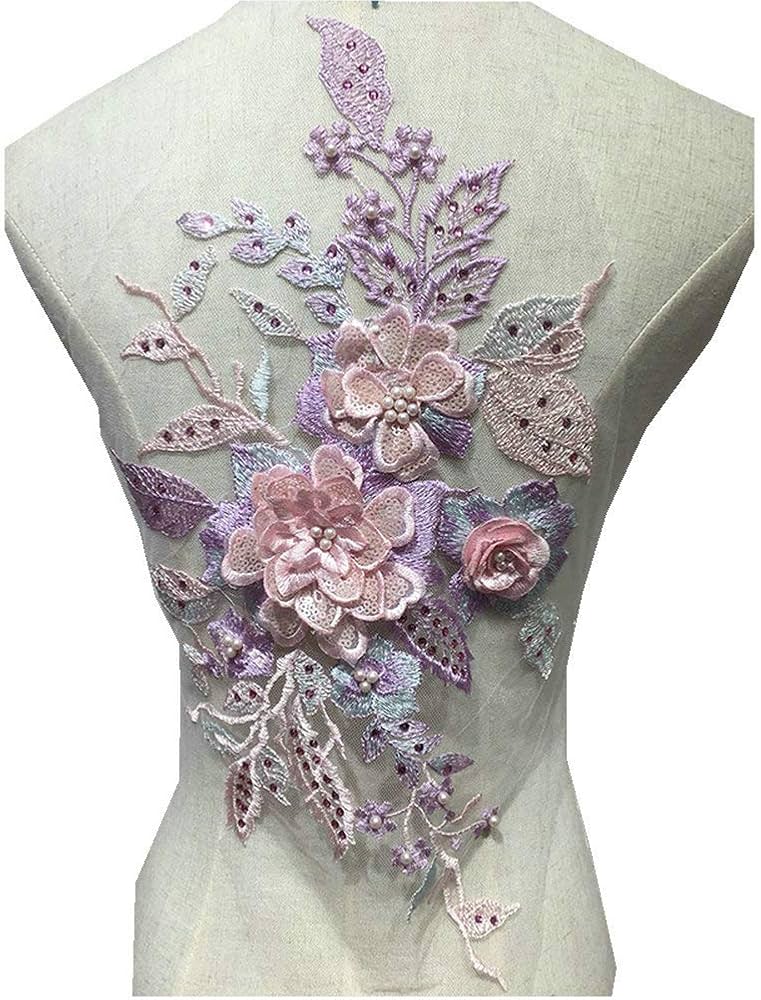
The term “appliqué” refers to the technique of sewing or gluing a piece of fabric onto another to create a design or pattern. In the context of military uniforms, appliqué designs were used extensively to display regimental insignia, rank badges, and other symbols of military affiliation.
Embroidered Appliqués and Their Significance
Embroidery played a critical role in military uniforms, especially when it came to rank insignia and regimental identifiers. Appliqués were often embroidered directly onto the fabric of the uniform using thread, creating symbols that denoted a soldier’s rank, the unit they belonged to, or the honors they had received. These symbols could range from simple embroidered stars and bars to more intricate designs like shields or wreaths.
The use of metallic threads for embroidery was particularly popular in the 19th century, with gold and silver threads denoting the highest ranks and most prestigious regiments. Officers would often wear uniforms with richly embroidered appliqué designs, signifying their elite status and high command.
Historical Examples
During the Napoleonic Wars, French officers wore intricate appliqué embroidery on their coats, often featuring the Napoleonic eagle or laurel wreaths as symbols of military victory and imperial power. Similarly, the British Army employed embroidered appliqués on its officer uniforms, with the use of gold thread denoting high-ranking officers in prestigious regiments like the Coldstream Guards or Royal Scots. Russian military uniforms of the same era were also marked by elaborate appliqué designs, often incorporating gold thread and motifs such as the double-headed eagle to signify rank and distinction.
The Evolution of Decorative Elements in Military Uniforms
Over time, the use of lace borders, sequins, and appliques evolved as military fashion changed. The 19th century saw the height of ornamentation in uniforms, with elaborate gold lace and intricate sequins and appliqué designs becoming common among officers. However, as military technology advanced and uniforms became more functional, the emphasis on decorative elements began to diminish. By the 20th century, especially in the wake of the two World Wars, military uniforms became more streamlined, with fewer embellishments in favor of practicality and uniformity.
Nevertheless, lace, sequins, and appliqués continued to play a role in ceremonial dress, with many armies preserving these elements for special occasions and state functions.
The Appeal to Collectors and Reenactors
Today, lace borders, sequins, and appliqué designs continue to capture the imagination of military uniform collectors and reenactors. These historical details are often highly sought after for their craftsmanship and the rich history they represent. For collectors, owning a piece of militaria with intricate lace, sequins, or appliqué designs can be a way to connect with the past and understand the significance of these decorations in conveying status and regimental pride.
For reenactors, accurately reproducing these elements is essential to portraying military uniforms of past eras. The attention to detail required to recreate these intricate designs is part of what makes reenactment so compelling and historically enriching.
Conclusion
Lace borders, sequins, and appliques may seem like minor decorative details, but they have played an important role in the history of military uniforms. These elements have not only enhanced the visual appeal of uniforms but also conveyed messages of rank, unit identity, and prestige. From the opulent uniforms of Napoleonic France to the ceremonial dress of British and Russian officers, these embellishments continue to be appreciated by collectors, reenactors, and enthusiasts alike.
To learn more about military uniforms and the rich history of their ornamentation, visit baariya.com, where we explore the fascinating world of historical textiles and ceremonial dress.