Introduction: Why Appliques Matter in Fashion and Crafts
When it comes to enhancing fabrics, few techniques stand out as much as appliques. Appliques, including corded embroidery, rhinestones, and sequins, can add depth, texture, and stunning visuals to garments and accessories. Whether you’re a seasoned designer or someone who enjoys DIY crafts, knowing how to work with these appliques can take your creations to the next level.
But while these techniques are visually striking, many people face challenges in incorporating them. From dealing with durability issues to the high cost of high-quality embellishments, there are several hurdles. Understanding these problems and finding the right solutions can help designers, crafters, and fashion lovers create more beautiful, durable, and cost-effective pieces. Let's break down the common issues, why they happen, and how corded embroidery, rhinestone, and sequin appliques can solve them.
Problem–Agitate–Solution Framework
The Problem: Challenges in Applique Decoration
1. Design Limitations
For many, choosing the right applique method can be overwhelming. While embroidery is a popular choice, it can be time-consuming and may not provide the dramatic effect some designs need. The complexity of adding texture or creating a multi-dimensional look with traditional embroidery often leads designers to look for alternatives.
2. Durability Concerns
Another challenge is durability. When creating garments or accessories that will see frequent use or washing, the longevity of decorations becomes a serious concern. Embellishments such as beads or fabric appliques may lose their charm or integrity over time.
3. High Costs of Materials
Rhinestones, sequins, and other embellished fabrics can be expensive. High-quality appliques, especially those that require intricate work, can increase the overall cost of a project, which is particularly difficult for smaller designers or hobbyists working on a budget.
4. Time and Labor Intensive
The traditional methods of hand-stitching or machine-embroidery can be labor-intensive, requiring skill and time. Many designers struggle to keep up with deadlines, and the effort involved in these intricate techniques can be discouraging for new crafters or those with limited time.
Agitating the Problem: Why These Challenges Persist
So, why do these problems persist? One reason is that many traditional techniques don’t offer the flexibility that modern designs demand. In an era where fashion and craft trends change rapidly, designers often need quicker, more versatile solutions that can still provide stunning, long-lasting results.
Another reason is cost. In many cases, high-quality embroidery threads, rhinestones, and sequins come with a hefty price tag, which can make small-scale production challenging for independent artists or small businesses. Moreover, the intricate work required for high-end designs demands skilled labor, which adds to the overall expenses.
Lastly, many traditional techniques, while beautiful, don’t always meet the expectations for durability and long-term wear. The heavy use of hand-sewn embellishments may not always stand up to frequent washing or the wear and tear of everyday life, making them less practical for ready-to-wear collections.
The Solution: Corded Embroidery, Rhinestone, and Sequin Appliques
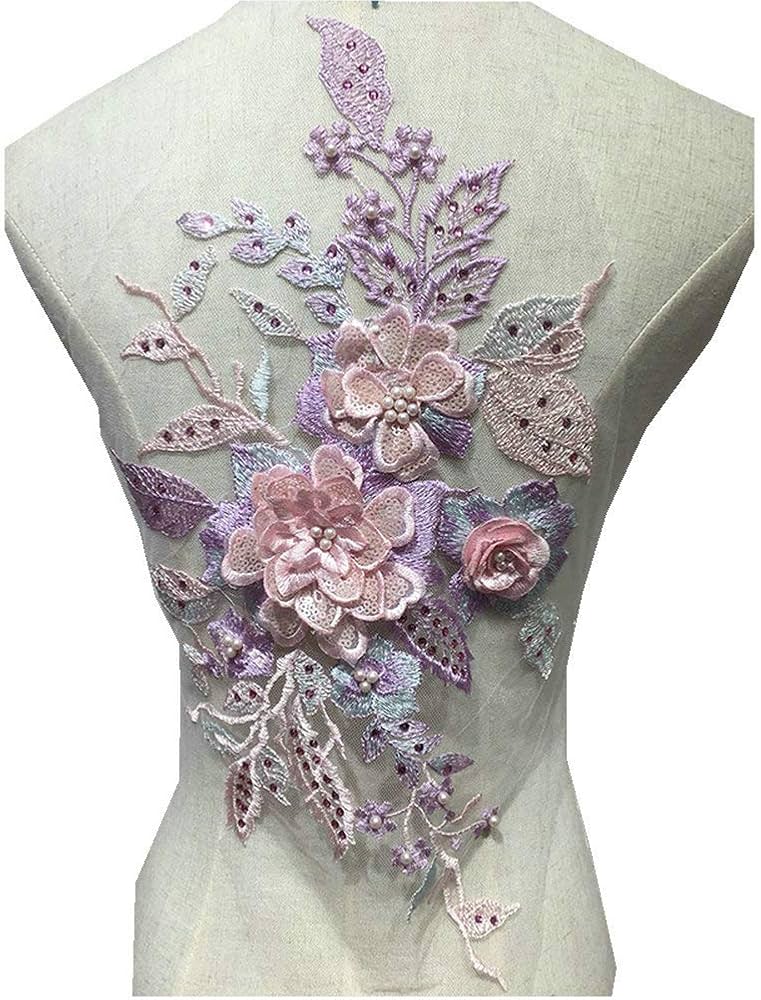
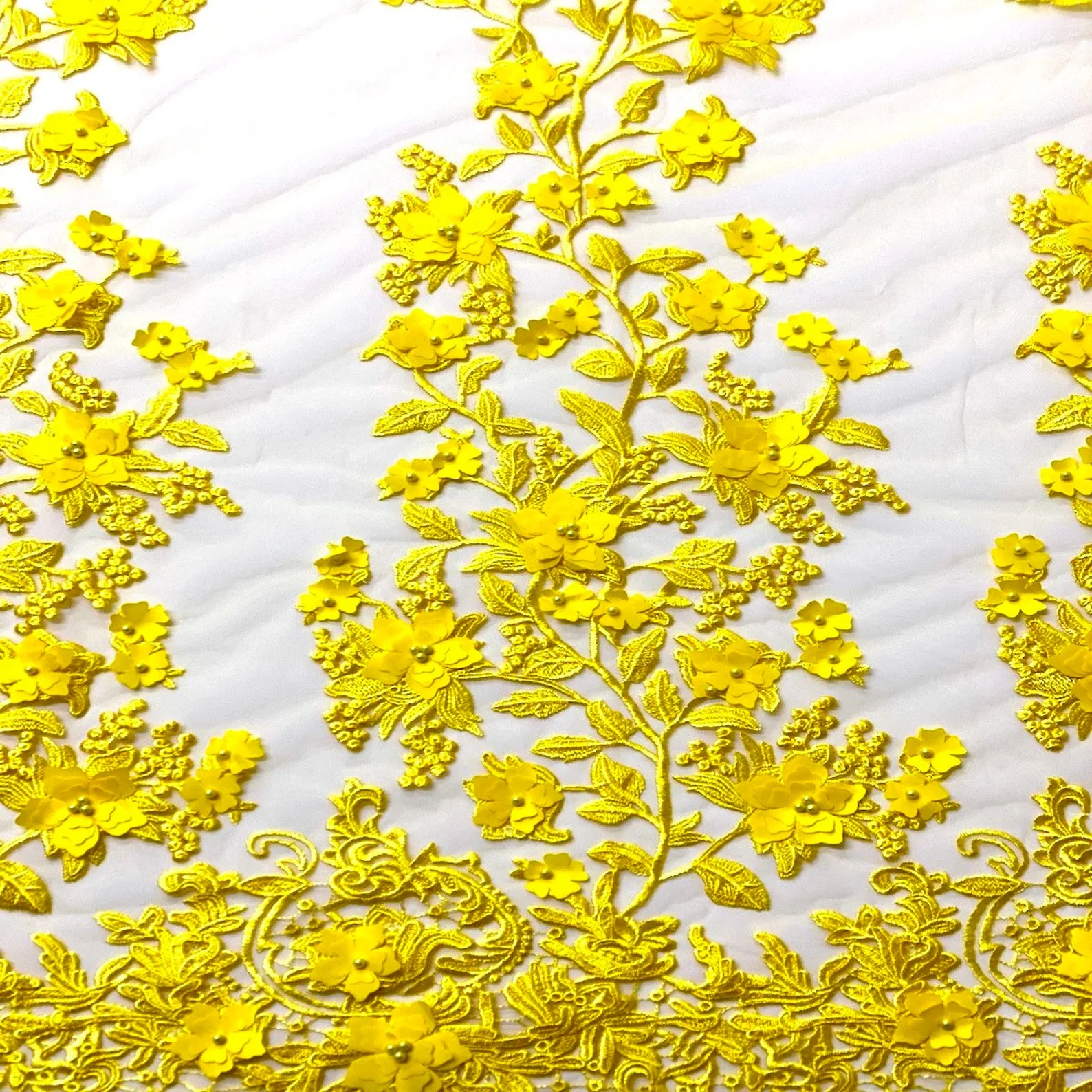
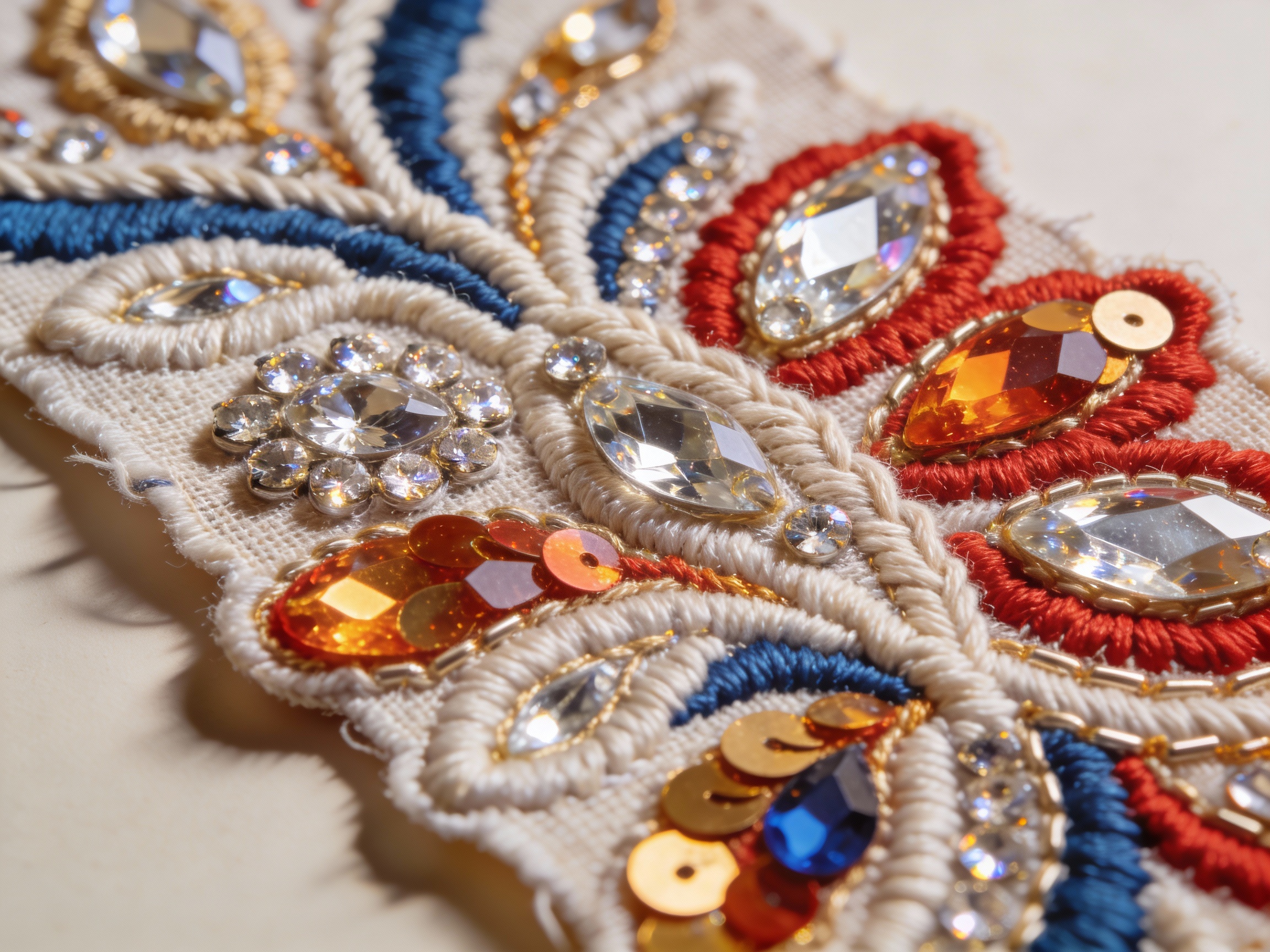
Corded Embroidery: Corded embroidery uses thick cords to create textured patterns. This technique adds dimension to designs, making them stand out in a way that traditional flat embroidery can't. The cord adds a rich, tactile feel to garments and accessories, making them look luxurious and eye-catching.
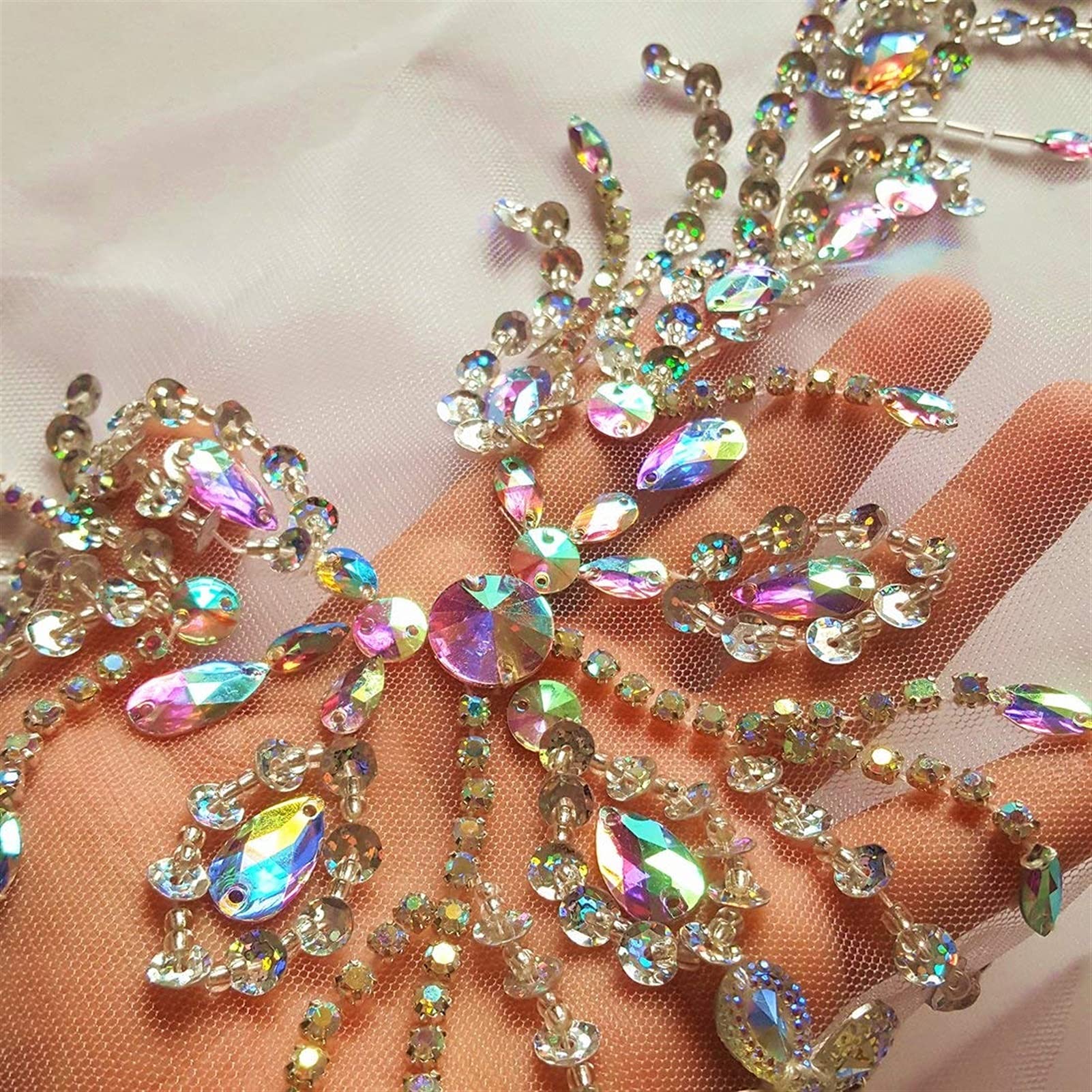
Rhinestone Appliques: Rhinestones have long been associated with glam and luxury. Rhinestone appliques, which feature these sparkling stones attached to fabric, offer a simple yet effective way to add glimmer and shine to any design. They are versatile, durable, and can instantly elevate the look of an item with minimal effort.
Sequin Appliques: Sequin appliques are another great way to introduce texture and shine into a design. Sequins are often stitched onto a base fabric and can be arranged in various patterns. They’re ideal for creating bold, attention-grabbing pieces that shine under the light. Sequin appliques are available in different sizes, colors, and shapes, making them versatile and adaptable to any fashion style.
Each of these techniques solves the common problems associated with applique decoration. They offer durability, versatility, and a range of design options, allowing designers to achieve a professional, high-quality look without the hassle of hand-stitching each piece. Furthermore, they often cost less than traditional methods of embroidery and embellishment, making them accessible for both large fashion houses and independent crafters.
Features & Benefits: Why These Appliques Work
Corded Embroidery
Feature: Corded embroidery involves using cords to create raised designs on fabric. It can be done by hand or machine.
Benefit: The cords add texture and dimension to designs, making them appear more luxurious and visually engaging. This is particularly useful for high-end fashion and accessories that need a 3D element to stand out.
Example: Brands like Chanel have used corded embroidery in their collections, giving garments an elegant yet intricate design. These designs are visually striking and maintain their durability even after multiple washes.
Rhinestone Appliques
Feature: Rhinestone appliques feature sparkling stones or crystals that are sewn onto fabric.
Benefit: Rhinestones can transform any simple garment into a high-fashion piece. They add a sense of glamour, luxury, and elegance, and they hold up well over time, even after frequent washes.
Example: Fashion designers like Balmain have utilized rhinestones in their runway collections, creating garments that shine under the lights while maintaining their integrity. Rhinestones offer a durable, glitzy option without compromising the longevity of the design.
Sequin Appliques
Feature: Sequin appliques are made by attaching small, shiny, disk-shaped beads (sequins) to fabric, either through hand stitching or using machines.
Benefit: Sequins bring instant sparkle to any design. They’re durable, affordable, and versatile, available in various colors and sizes, allowing designers to create everything from subtle, elegant embellishments to bold, statement-making designs.
Example: Designers like Zuhair Murad are known for their use of sequins in glamorous evening gowns. Sequin appliques can be used to create rich patterns and dazzling effects that attract attention on red carpets and fashion shows worldwide.
Real-World Examples / Case Studies
1. DIY Crafts: Many craft enthusiasts and independent designers have embraced these applique techniques. Etsy sellers, for example, often use rhinestone and sequin appliques to create custom clothing, accessories, and home decor pieces. These items are popular for their affordability, ease of application, and the stunning results they yield.
2. High-End Fashion: Brands like Valentino and Dolce & Gabbana have incorporated rhinestone and sequin appliques in their couture collections. This reflects the technique’s versatility in both high fashion and everyday wear. These appliques have been used on dresses, jackets, and accessories to create statement pieces that shine.
3. Performance Wear: Many performers, such as those in dance and theater, rely on rhinestone and sequin appliques for their costumes. The ability of these embellishments to withstand rigorous performances and shine under lights makes them a practical and stylish choice for the entertainment industry.
Frequently Asked Questions (FAQs)
1. Can I apply rhinestone and sequin appliques to any fabric?
Yes, both rhinestone and sequin appliques can be applied to most fabrics. However, it’s best to use a sturdy fabric like cotton, denim, or tulle for better durability.
2. How do I care for garments with these appliques?
Garments with rhinestones and sequins should be washed gently by hand or in a mesh bag on a delicate cycle. Avoid rough handling to maintain the integrity of the embellishments.
3. Can I use corded embroidery for home decor projects?
Yes! Corded embroidery is an excellent choice for home decor items like cushions, curtains, and table runners. The texture it adds creates a unique, luxurious finish.
4. Are these applique techniques expensive?
While rhinestones and sequins can be more expensive than standard embroidery, they are generally affordable compared to custom handwork. Corded embroidery is a bit more intricate but can be cost-effective when done by machine.
5. Can I use these techniques for smaller DIY projects?
Absolutely! These techniques are highly versatile and can be used for everything from small accessories to larger garments. You can purchase appliques ready-made or create your own.
Conclusion: Elevate Your Designs with Applique Techniques
Incorporating corded embroidery, rhinestone, and sequin appliques into your designs can elevate your creations, making them stand out with texture, shine, and style. These techniques offer practical solutions to common challenges faced by designers and crafters, including durability concerns, high costs, and time constraints.
Whether you’re creating a high-fashion garment, a DIY accessory, or a performance costume, these appliques provide a fast, cost-effective way to achieve stunning results. With a bit of practice and the right materials, you can harness the power of these techniques to make your designs shine.