Introduction
Sequins are everywhere, even when we don’t notice them right away. They show up on party dresses, wedding outfits, dance costumes, handbags, cushions, and even craft projects like holiday décor. Sequin appliques, sequin trims, and lace with sequins are some of the easiest ways to add texture and visual interest to fabric without changing the entire design.
For fashion brands and home crafters alike, these materials solve a simple problem: plain fabric can look flat. A basic dress or product might fit well, but without detail, it often fails to catch attention—especially in shops or online photos. Sequins reflect light, create movement, and help designs stand out.
At the same time, many people hesitate to use sequins. They worry about shedding, rough textures, or complicated sewing. Some have had bad experiences where sequins fell off after one wash or trims curled and twisted at the edges.
This blog breaks down how sequin appliques, trims, and lace with sequins actually work, what problems they solve, and how to use them properly. Whether you’re a small fashion brand, a costume maker, or someone who loves DIY sewing, understanding these materials can help you create stronger, longer-lasting designs.
Features: Materials, Types, and How They’re Used
What Are Sequin Appliques?
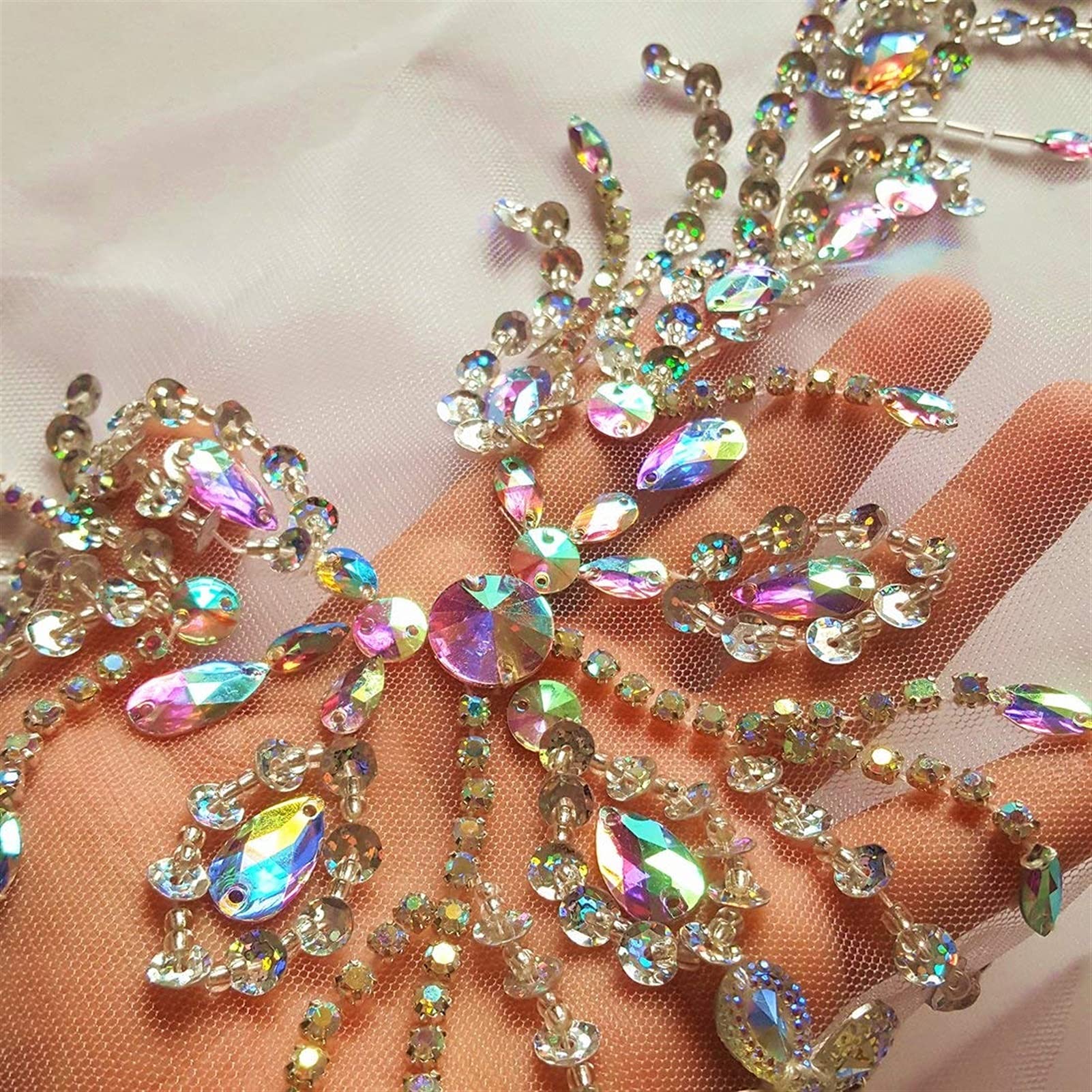
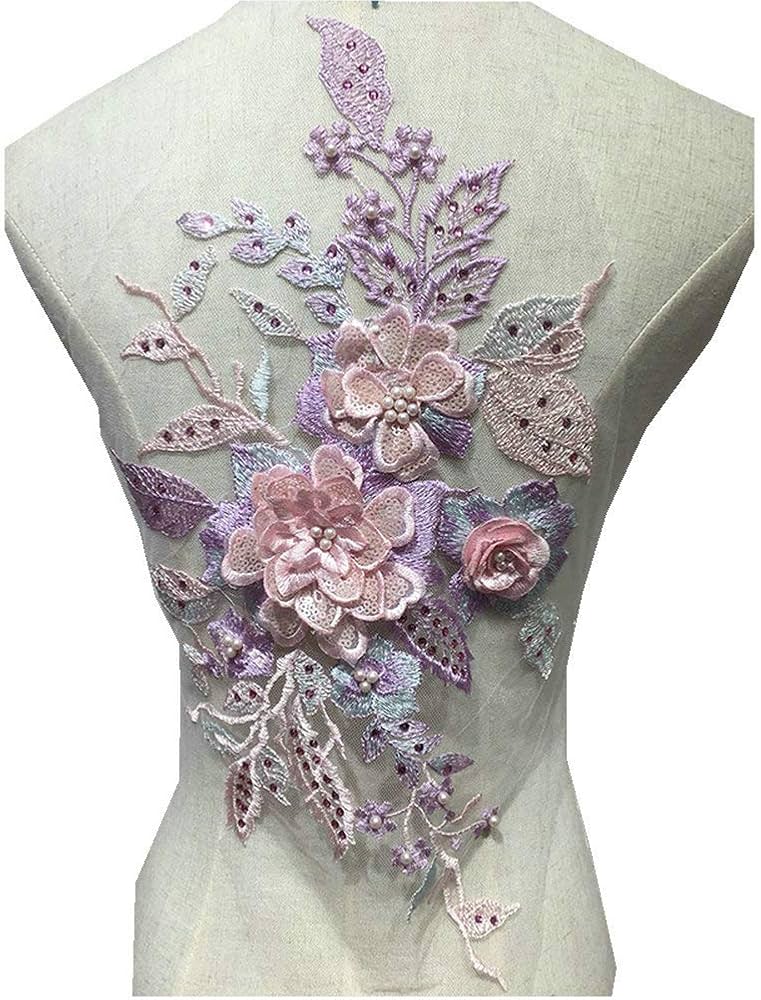
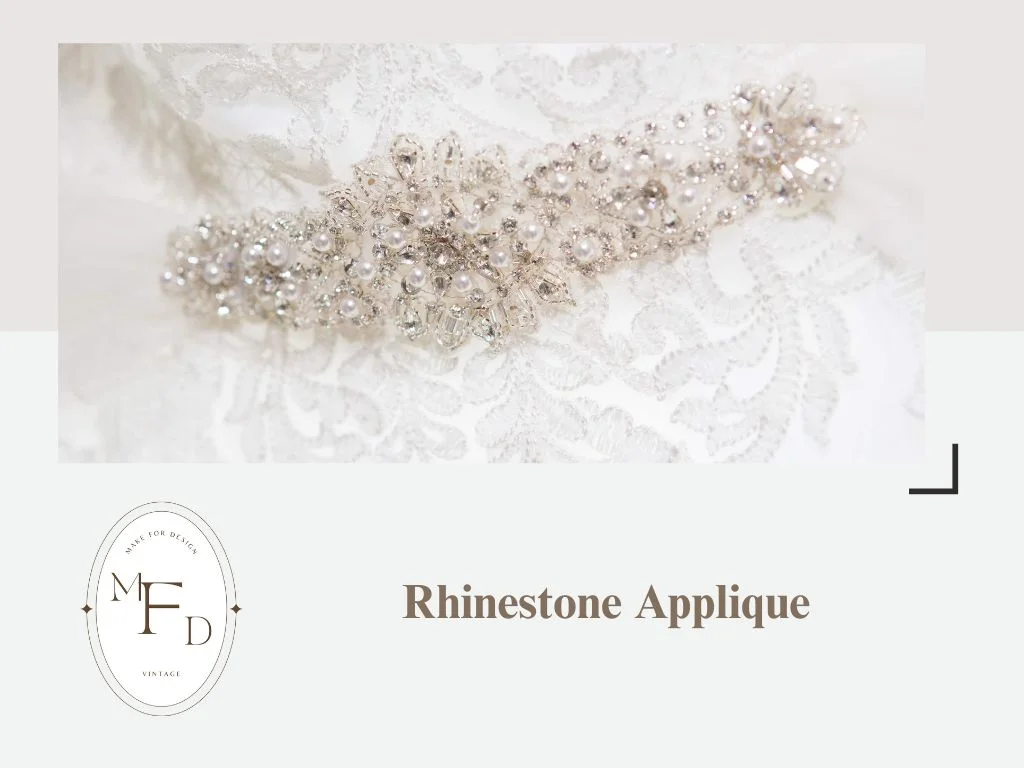
Sequin appliques are decorative patches where sequins are stitched onto a base fabric, usually mesh, felt, or lace. They come in floral, geometric, abstract, or custom shapes.
Common features:
-
Sequins are typically 2mm–7mm in size
-
Attached using lock stitching or chain stitching
-
Backing fabric thickness ranges from 0.3mm to 1mm
They are often sewn onto garments by hand or machine, making them suitable for bodices, shoulders, skirts, and accessories.
Sequin Trims Explained
Sequin trims are long, narrow decorative strips with sequins attached in rows or patterns. These trims are widely used along hems, necklines, cuffs, and seams.
Types of sequin trims include:
-
Flat sequin trims: Sequins lie flat and are lightweight
-
Cup sequin trims: Slightly curved sequins that catch more light
-
Beaded sequin trims: Mixed with seed beads for added texture
Trim widths usually range from 1 cm to 15 cm. Narrow trims are better for subtle accents, while wider trims work well for stage or festive clothing.
Lace with Sequins
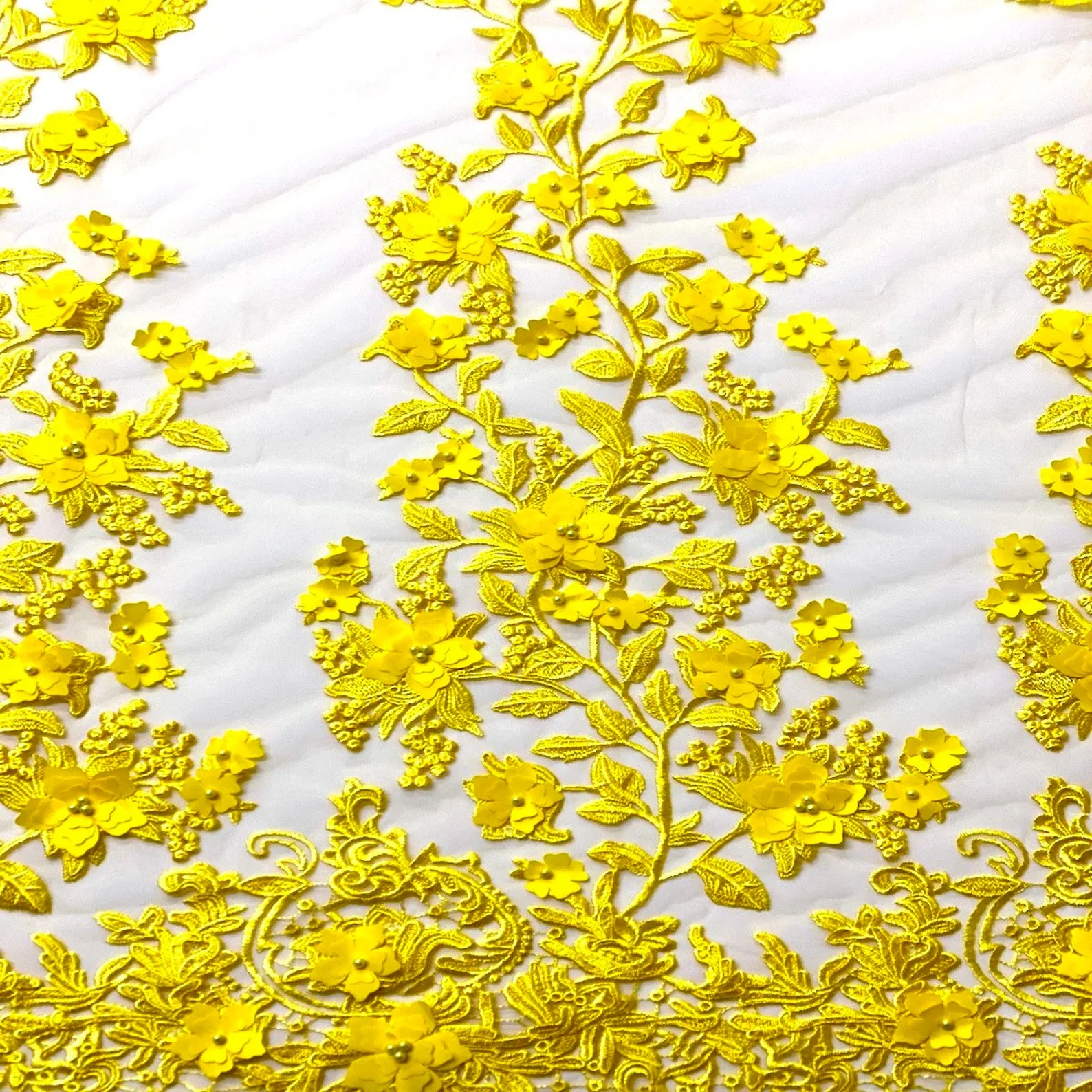
Lace with sequins combines embroidered or woven lace with stitched sequins. The lace base allows flexibility while the sequins add shine.
Key points:
-
Common lace bases: net, tulle, nylon lace
-
Sequin density varies (from 50 to 300 sequins per square foot)
-
Often sold by the yard for full-garment use
This type of fabric is popular for eveningwear, bridal outfits, overlays, and decorative panels.
Application Methods
-
Hand sewing: Best for control and delicate fabrics
-
Machine sewing: Faster, but requires slow speed and strong needles
-
Pre-attached (heat or glue): Used mainly in crafts, less durable for clothing
Basic Care Tips
-
Wash gently, preferably by hand
-
Avoid high spin cycles
-
Do not iron directly on sequins
-
Store flat to avoid bending trims
Real-World Case Study
The Problem: Designs Look Flat or Don’t Last
Many designers and crafters face two major issues. First, finished products often look flat or unfinished, especially under store lighting or in online images. Second, poorly made sequin details can shed, scratch skin, or lose shape after washing.
Plain fabric, even in good colors, doesn’t always communicate value. In competitive markets—like partywear, festive fashion, or handmade accessories—customers expect visual detail. When garments lack that detail, they’re often overlooked.
On the durability side, low-quality sequins or weak stitching cause real problems. A dress that sheds sequins after one event quickly loses customer trust.
The Agitation: How This Hurts Sales and Reputation
Flat designs don’t just affect appearance—they affect sales. Online fashion sellers report that products with visible texture and surface detail get higher click-through rates. When a product looks simple, shoppers scroll past it.
Durability issues make things worse. Returns increase when trims twist, sequins fall off, or lace tears. Repairs cost time and money. For small brands, even a few bad reviews can slow growth.
Crafters face similar frustration. Hours of work can be wasted if a sequin trim curls after washing or an applique detaches from fabric.
The Solve: Using Sequin Appliques, Trims, and Sequin Lace Correctly
Sequin appliques, trims, and lace with sequins directly address both problems—appearance and durability—when chosen and applied correctly.
How they fix flat designs:
-
Sequins reflect light, adding depth without heavy layers
-
Trims create clean visual borders that frame garments
-
Sequin lace adds texture across large areas without stiffness
How they improve durability:
-
Lock-stitched sequins stay attached longer
-
Proper trim backing prevents curling
-
Lace bases distribute weight evenly across fabric
Real-World Case Study: Sales Growth Through Sequin Lace
A mid-sized women’s fashion brand producing festive wear faced slow sales on a basic dress line. The garments fit well, but customer feedback described them as “simple” or “plain.”
Instead of changing patterns, the brand added lace with sequins as an overlay on the upper bodice and used a 4 cm flat sequin trim along the hem. The sequins were 4mm in size, stitched at a density of about 180 sequins per square foot.
They also upgraded stitching from single-thread to double-thread lock stitching, increasing wash durability. Internal testing showed less than 2% sequin loss after 10 gentle wash cycles.
The result:
-
Product photos looked more detailed
-
Customer perception of value increased
-
Sales of the updated line increased by around 30% within one season
This case shows how smart use of sequin materials can improve both look and performance without redesigning entire collections.
FAQs
1. What sequin size is best for everyday wear?
Sequins between 3mm and 5mm are comfortable and flexible.
2. Do sequin trims stretch?
Most do not. Check the base fabric before sewing onto stretch garments.
3. Can lace with sequins be cut easily?
Yes, but cut slowly and secure edges to prevent unraveling.
4. How do I stop sequins from scratching skin?
Use lining fabric or place sequins away from high-contact areas.
5. Are machine washes safe for sequin lace?
Gentle cycles only, inside a laundry bag.
6. How much sequin trim should I buy?
Add 10–15% extra for mistakes and pattern matching.
Conclusion
Sequin appliques, sequin trims, and lace with sequins are practical tools, not just decoration. They help solve common problems like flat-looking designs and weak visual impact, while also improving perceived value.
When chosen carefully—right sequin size, proper stitching, and suitable base fabric—these materials hold up well and stay comfortable to wear. As seen in real fashion businesses, even small additions can lead to noticeable improvements in sales and customer response.
If you’re designing clothing, accessories, or craft products, start small. Test trims on hems, try appliques on panels, or use sequin lace as an overlay. With the right approach, sequins can become a reliable part of your design process rather than a risk.