Introduction
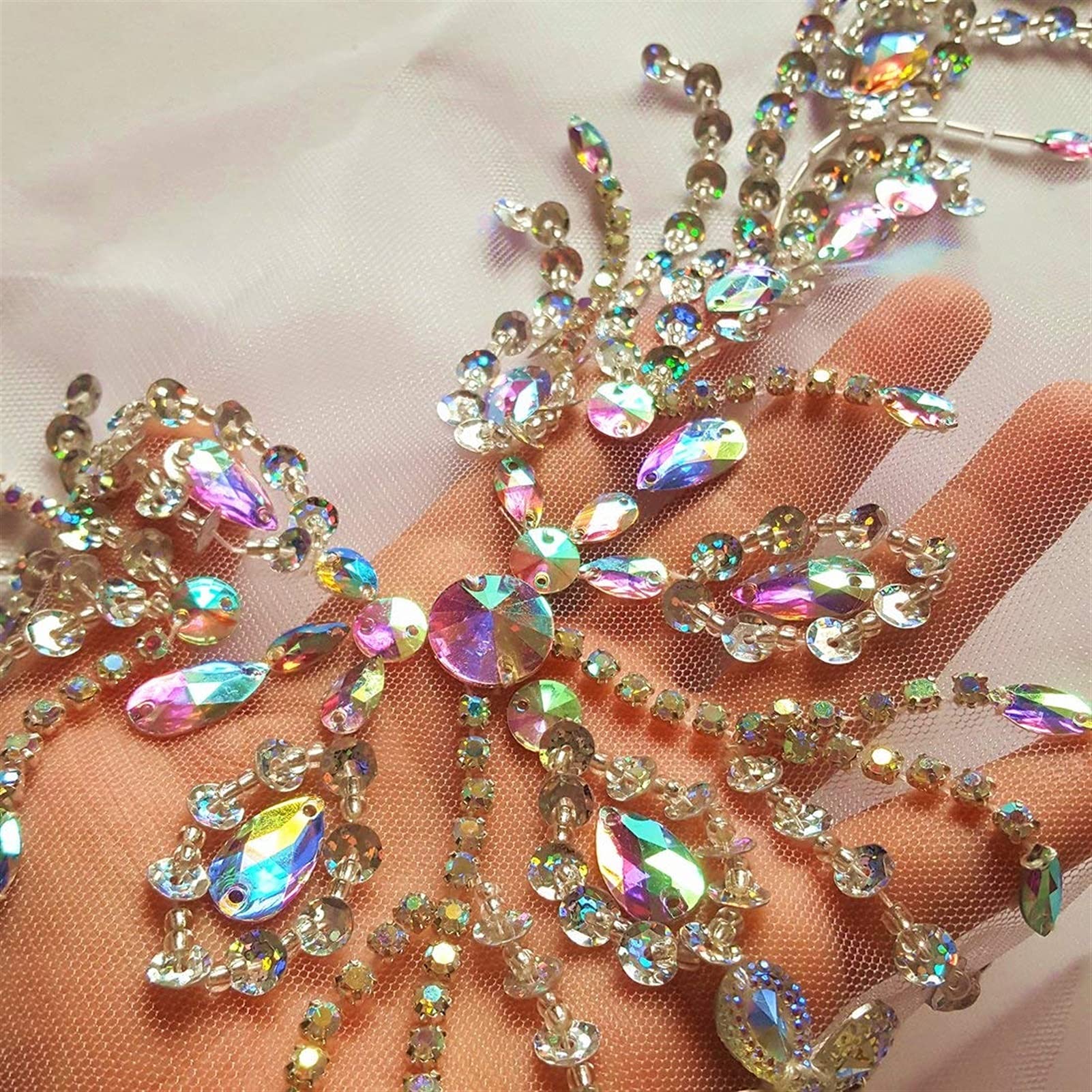
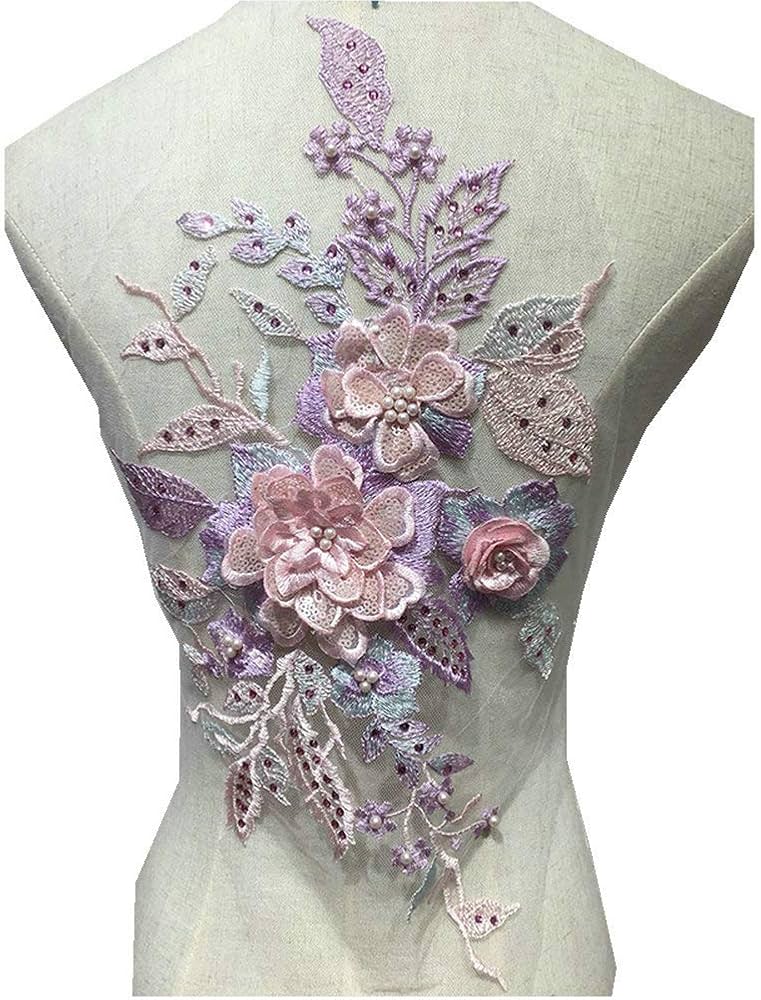
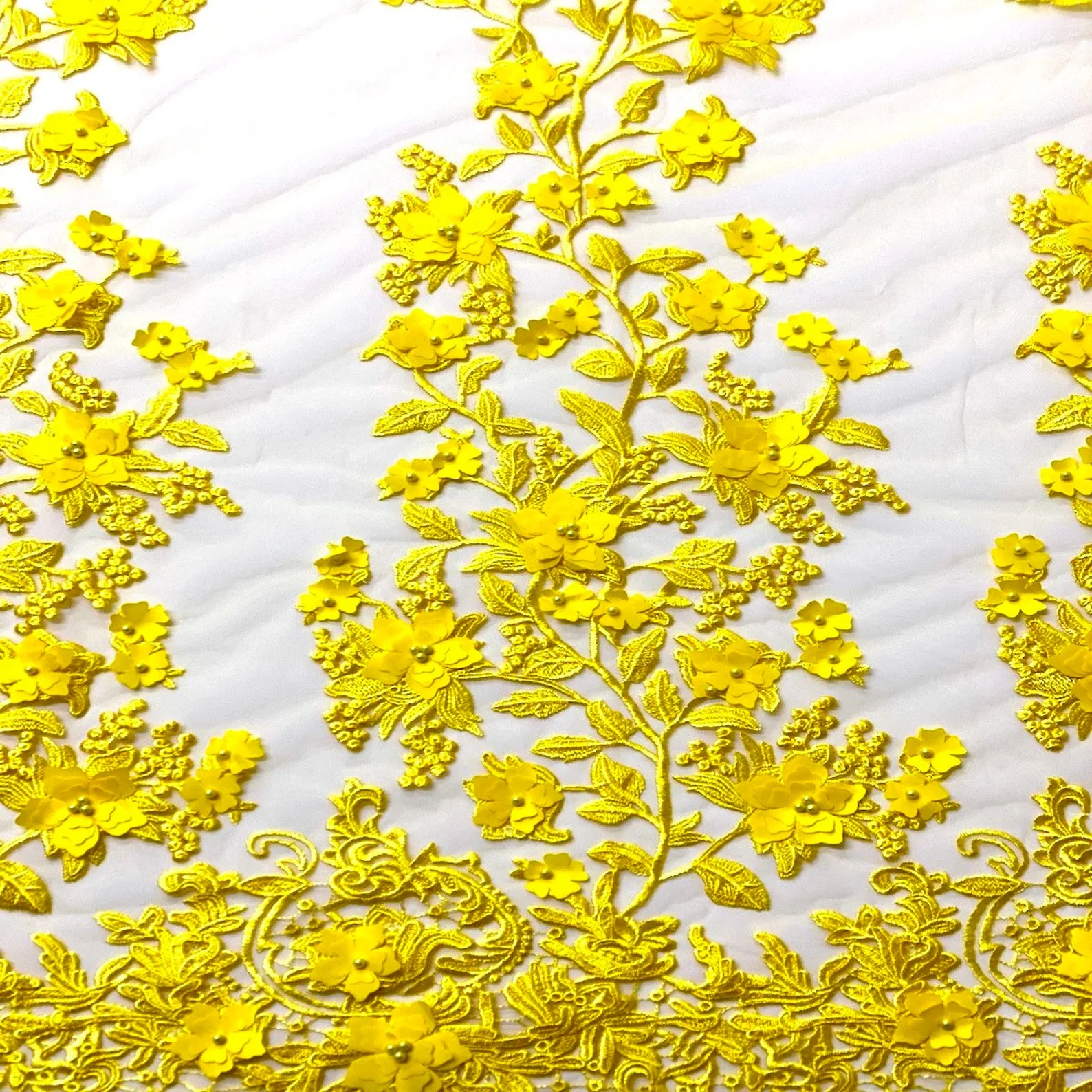
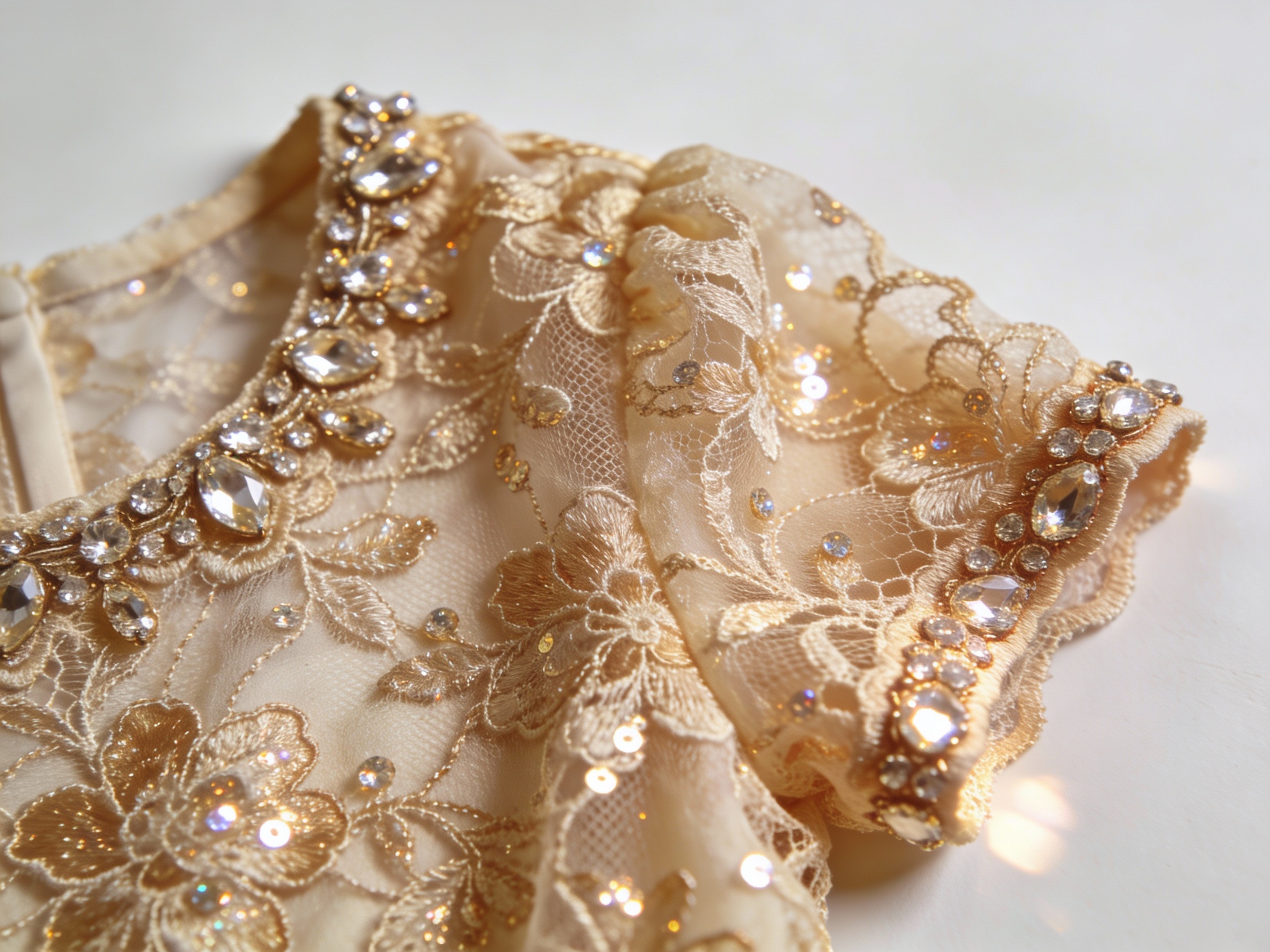
Lace, sequins, and appliques are some of the most popular materials in fashion and textiles because they quickly add texture and shine. Lace gives clothes a soft, detailed look. Sequins make outfits sparkle and move with the body. Appliques—like embroidered designs, beaded patches, or rhinestone transfers—let you add decoration exactly where you want it: on the neckline, sleeves, waist, hem, or even as a bold feature on the back.
You’ll see these materials used in bridal gowns, evening dresses, dance costumes, festive outfits, accessories, and even trendy streetwear. But here’s the thing: the same qualities that make them look great—shine, structure, and layered textures—can also make them tricky to work with.
Let’s look at the common problems, why they matter, and how to solve them with simple, practical steps.
Problem: What Goes Wrong with Lace, Sequins, and Appliques?
If you’ve ever bought or made an embellished piece and later felt disappointed, it’s usually because of a few common issues:
Durability confusion
People think “more sparkle means better quality.” But sequins can scratch, melt if heated, or fall off if the fabric is weak or the stitching is poor.Sourcing mismatch
A sequin lace sample might look perfect, but when the full order arrives, the sequins might be a different color, the mesh might be heavier, or the pattern might be bigger or smaller.Application mistakes
Rhinestone appliques (especially hotfix types) can lift at the edges, look uneven, or leave glue marks if the temperature, pressure, or timing is wrong.Care and maintenance surprises
Many people wash embellished clothes like regular clothes, then blame the materials when sequins dull or threads loosen. Most care guides suggest gentle hand-washing for embellished items to reduce damage [The Laundress+1].
Agitate: Why These Problems Cost You Money (and Reputation)
These issues don’t just cause small flaws—they can lead to bigger problems:
Returns and repairs
A few missing sequins can lead to returns. For custom pieces, it often means hours of re-stitching or replacing designs.Design disappointment
If your applique looks “stuck on” instead of part of the design, the outfit can feel cheap—even if the fabric is high quality. This happens when the applique size doesn’t match the outfit’s shape (tiny motifs on a big skirt or oversized patches on a simple bodice).Heat damage and wasted materials
Hotfix stones and transfers are sensitive. Too much heat or time can burn, warp sequins, or weaken the glue. Swarovski’s hotfix glue works best at 120°C to 170°C, depending on the material [harmanbeads.com+1].Hidden labor
Heavy embellishment often means a lot of handwork. For example, Céline Dion’s wedding dress had over 1,000 hours of hand-sewn crystal and pearl work, plus a headpiece with 2,000 Swarovski crystals—the tiara alone weighed more than six pounds [People.com].
Most brands don’t have big budgets, so if you don’t plan for the extra work, you’ll feel it later.
Solution: Practical, Data-Backed Ways to Get It Right
Start with “use-case sampling,” not just a pretty sample
Before buying a lot of lace or appliques, test them for how the outfit will be used:Bridal: long wear, sitting, hugging, photos with flash
Stage/dance: sweat, stretch, fast movement
Occasion wear: friction at underarms, clutch bags snagging lace
Simple test routine (quick but effective):
Rub test: gently rub for 30–60 seconds (to check for loose sequins)
Bend test: fold the embellished area 20 times
Spot clean test: dab with cool water and mild detergent
This helps catch weak sequins or thread before making the full piece.
Apply rhinestone/hotfix appliques with controlled settings
Hotfix appliques work best when you use the right heat, pressure, and time—not just more heat.A common guide recommends 160°C for 15–20 seconds with medium pressure and a protective cloth over the motif [Rhinestones Online].
A rhinestone heat press tutorial suggests 320°F (160°C) for 20 seconds with medium pressure and a Teflon sheet [Signwarehouse].
Always test on a scrap of the same lace/sequin base (not plain fabric). Lace has open areas, so heat and pressure spread differently than on cotton.
Choose the right “base + embellishment” pairing
A common mistake is using heavy appliques on delicate net lace.Fine lace (soft net/Chantilly-style) works best with lighter sequins and appliques, plus more stitching support.
Structured lace (corded/guipure-style) can handle heavier beaded or rhinestone motifs.
If you must use a heavy rhinestone applique on delicate lace, add a sheer support layer (tulle/organza) or a hidden backing patch, and use more anchor stitches at stress points (underarm, waist, shoulder).
Place sparkle where it lasts (and looks best on camera)
Sequins and rhinestones don’t need to cover everything. Smart placement often looks more expensive:Focus sparkle on “photo zones”: neckline, bodice center, sleeve cuffs, waistline
Reduce bulk where clothes rub: inner arm, side seam near waist, hip line (handbags hit here)
Use appliques to “frame” rather than “fill” (two motifs at the waist can define shape better than full coverage)
Build care instructions into the product, not as an afterthought
You can’t control how every customer treats a garment, but clear care guidance can reduce damage.Many care guides recommend cool water, gentle handling, and avoiding harsh chemicals [The Laundress+1].
If you sell or deliver embellished pieces, include a simple care card:
Store flat or inside out
Avoid heavy rubbing
Don’t iron directly on sequins/rhinestones (use a press cloth, low heat, or steam at a distance)
Features: What to Look for in Sequin Lace and Rhinestone Appliques
Here are practical features that matter:
Sequin stitch security: Are sequins stitched individually, chained, or glued?
Sequin density: More sequins = more shine but also more stiffness and weight
Base net strength: Stronger mesh reduces tearing around applique edges
Motif edge finish: Clean edges reduce snagging and lifting
Hotfix adhesive quality: Hotfix works best at 120–170°C [harmanbeads.com+1]
Comfort: Some rhinestone transfers feel scratchy without lining
Real-World Examples / Case Studies
Case Study 1: Couture-level embellishment (what it teaches us)
Céline Dion’s 1994 wedding outfit shows the real cost of heavy sparkle: over 1,000 hours of handwork, thousands of crystals, and a very heavy headpiece [People.com]. Even if you’re not doing couture, the lesson is clear: sparkle has weight, labor, and comfort costs. That’s why many modern designs use strategic placement (bodice + sleeves, or neckline + train accents) instead of covering everything.
Case Study 2: High fashion ateliers and sequin craftsmanship
Maison Lesage (known for couture embroidery for major fashion houses) shows how professional ateliers treat embellishment as a planned craft, not just decoration [WWD+1]. For everyday makers and brands, the best results come from planning the base fabric, motif structure, and attachment method together.
Case Study 3: Production-friendly sparkle for performance wear
For dance teams, pageant wear, and stage costumes, hotfix rhinestone transfers are popular because they’re faster than hand-setting every stone. The key is controlled application—many guides recommend around 160°C and 20 seconds with medium pressure and a protective sheet/cloth [Signwarehouse+1]. This helps small studios make consistent looks across a group without couture-level labor.
FAQs
Are sequins on lace durable enough for regular wear?
Yes, if the base mesh is strong and the sequins are stitched well. Test for friction and bending before using.Can I heat-press rhinestone appliques onto sequin lace?
Usually yes, but always test first. Hotfix glue works best at 120–170°C, and sequins can warp if overheated [harmanbeads.com+1].What’s a safe starting setting for hotfix rhinestones?
Try 160°C for 15–20 seconds with medium pressure and a protective layer. Always test on scrap [Rhinestones Online+1].How do I stop appliques from lifting at the edges?
Add a support layer (tulle/organza), use edge anchor stitches, and avoid stiff motifs on high-flex zones like underarms.How should customers wash sequin and applique garments?
Gentle care is safest. Hand-wash in cool water with mild detergent and avoid harsh chemicals [The Laundress+1].What’s the most common beginner mistake?
Buying based on a pretty photo instead of testing for real use (movement, friction, cleaning, comfort).
Conclusion
Lace with sequins and appliques can look amazing—but only when chosen, placed, and applied with real-world use in mind. The main problems are myths about durability, mismatched sourcing, and incorrect application (especially with rhinestone hotfix). The fix is simple: test like a maker, apply with controlled heat/time, match applique weight to lace strength, and plan sparkle placement where it lasts and looks best.
If you treat sequins and appliques like “materials with rules,” not just decoration, you’ll get pieces that shine longer, feel better to wear, and cost less to fix later.