Introduction
Corded embroidery and embroidered flower lace may sound like traditional techniques, but they play a very modern role in today’s textile and fashion world. Corded embroidery uses raised cords stitched into fabric to outline or fill patterns, giving designs more depth and structure. Embroidered flower lace combines delicate lace bases with floral embroidery to create light, decorative surfaces that still feel rich and detailed.
These techniques matter because modern fashion constantly looks for ways to balance beauty, durability, and efficiency. Designers want garments that feel special without becoming impossible to produce or wear. Corded embroidery and floral lace, often paired with rhinestone and sequin appliqués, offer that balance. They allow designers to add dimension, texture, and visual interest while keeping garments practical and wearable.
One of the biggest challenges in embroidery and embellishment is misunderstanding what these techniques can realistically achieve. Many people assume that detailed embroidery always means high cost, heavy fabric, or fragile garments. Others believe lace is outdated or too delicate for modern use.
Another common problem is inconsistency in quality. Flat embroidery can sometimes look dull from a distance, while poorly constructed lace can tear or lose shape over time. Adding embellishments like rhinestones and sequins can also go wrong if they are not properly secured, leading to shedding or discomfort for the wearer.
Manufacturers face their own issues. Highly detailed hand embroidery takes time and skilled labor, which can drive up costs and slow production. Designers are often stuck choosing between visual impact and production efficiency.
Agitation: Why These Issues Matter More Than Ever
These challenges become more serious when scaled to real-world production. A designer might create a stunning sample piece, only to find it too expensive or time-consuming to reproduce for a full collection. In fast-moving fashion cycles, delays and high costs can mean missed seasons and lost revenue.
From the consumer side, poorly executed embroidery can lead to frustration. A dress that looks beautiful on the rack but loses sequins after one wear damages trust in the brand. Heavy embellishment can also affect comfort, making garments hard to wear for long periods.
There is also growing pressure for smarter material use. Waste from failed embroidery runs, damaged lace, or rejected samples adds to environmental and financial costs. Without reliable techniques, intricate designs can quickly become more trouble than they’re worth.
Solution: How Corded Embroidery and Flower Lace Help
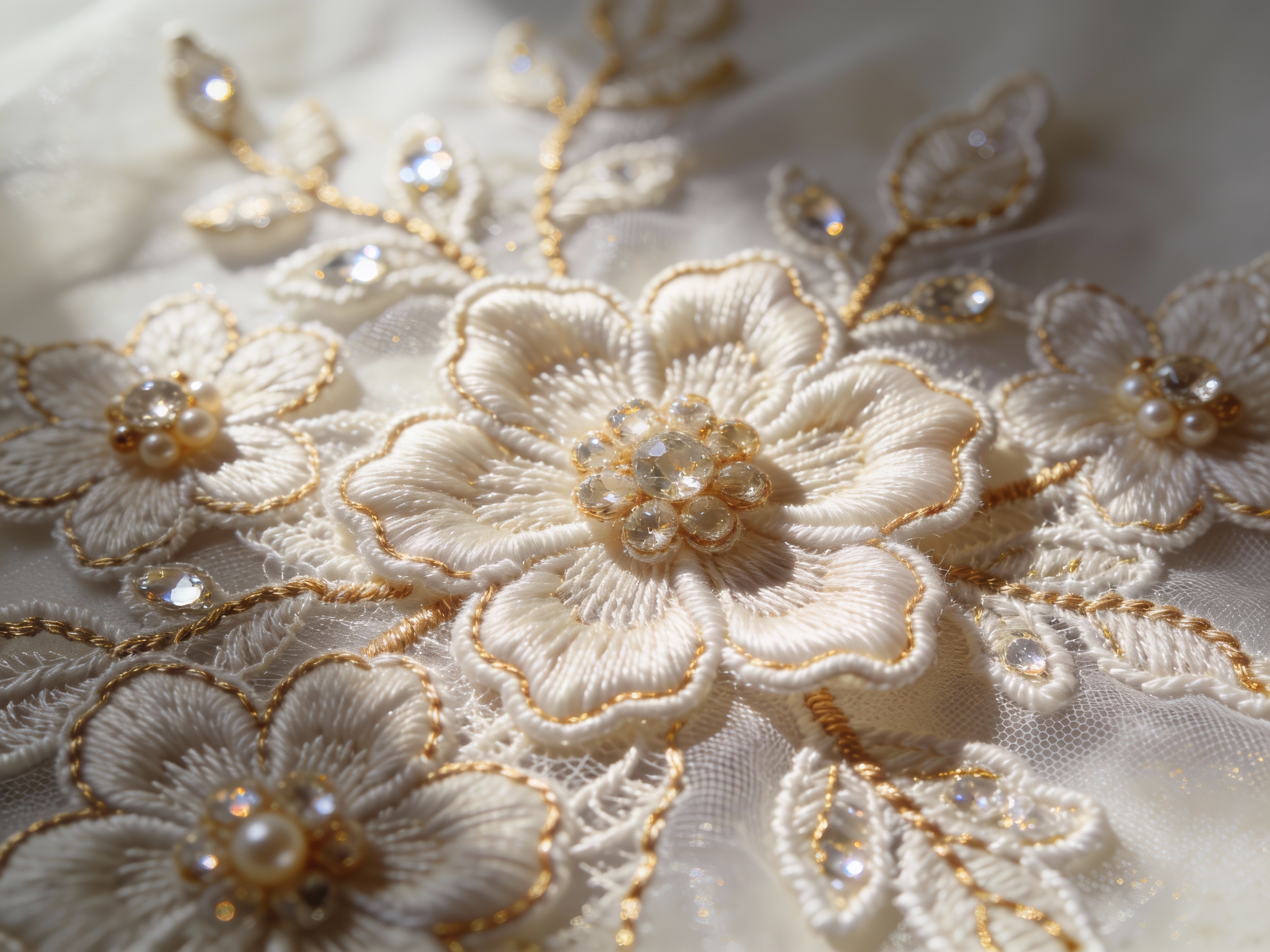
Corded embroidery directly addresses many of these problems. By using cords to outline or support embroidered patterns, designers can create raised designs that look rich without relying on excessive stitching. This adds structure, improves durability, and keeps the fabric from collapsing under heavy decoration.
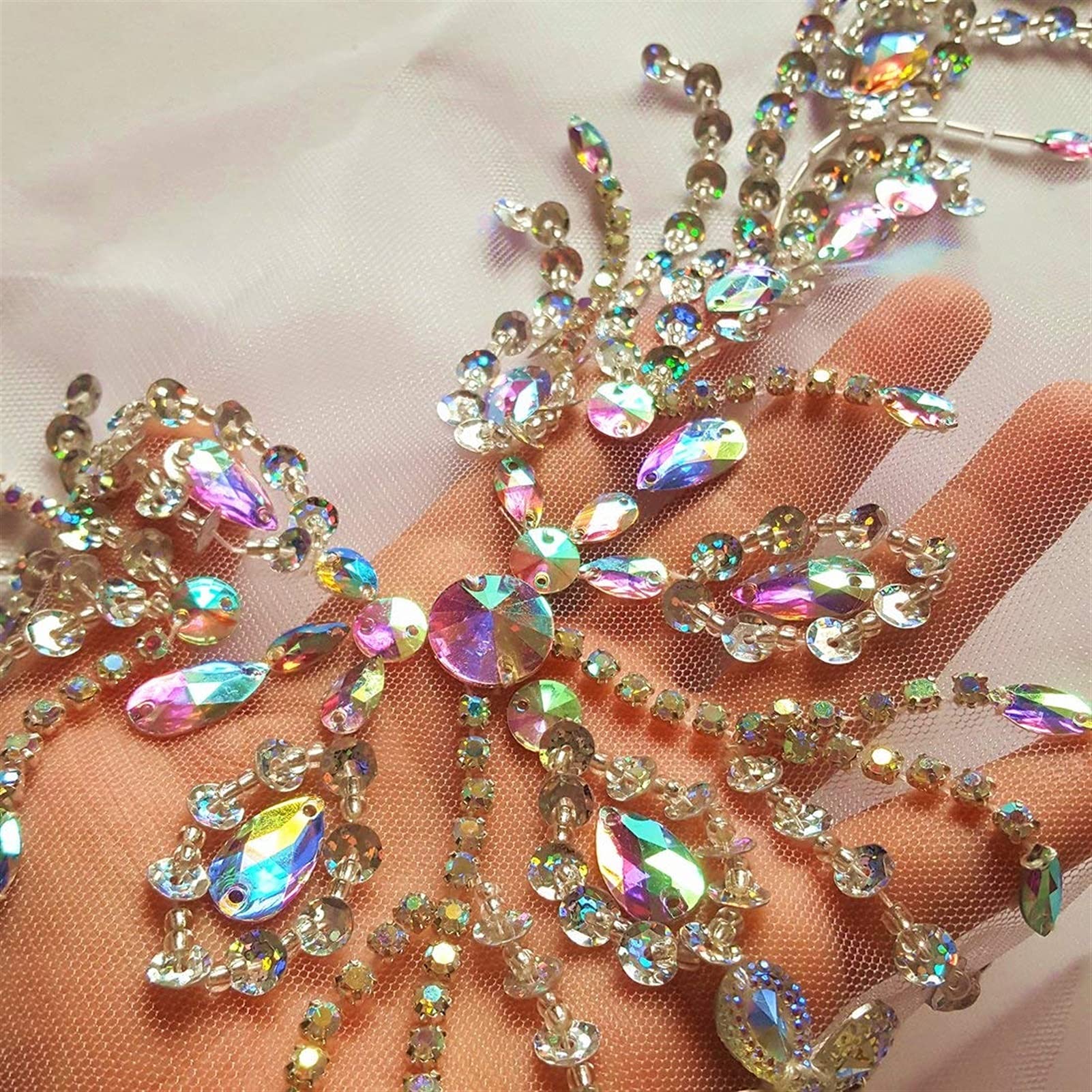
Embroidered flower lace offers flexibility. The lace base provides openness and breathability, while floral embroidery adds strength where it’s needed most. This makes the fabric both decorative and functional. When rhinestone and sequin appliqués are added strategically—placed along corded outlines or floral centers—they enhance sparkle without overwhelming the garment.
These techniques also adapt well to modern machinery. While handwork still plays a role, many corded embroidery and lace designs can be partially machine-assisted, improving consistency and reducing production time. The result is a technique that looks detailed but remains practical.
Features & Benefits
Dimensional Design
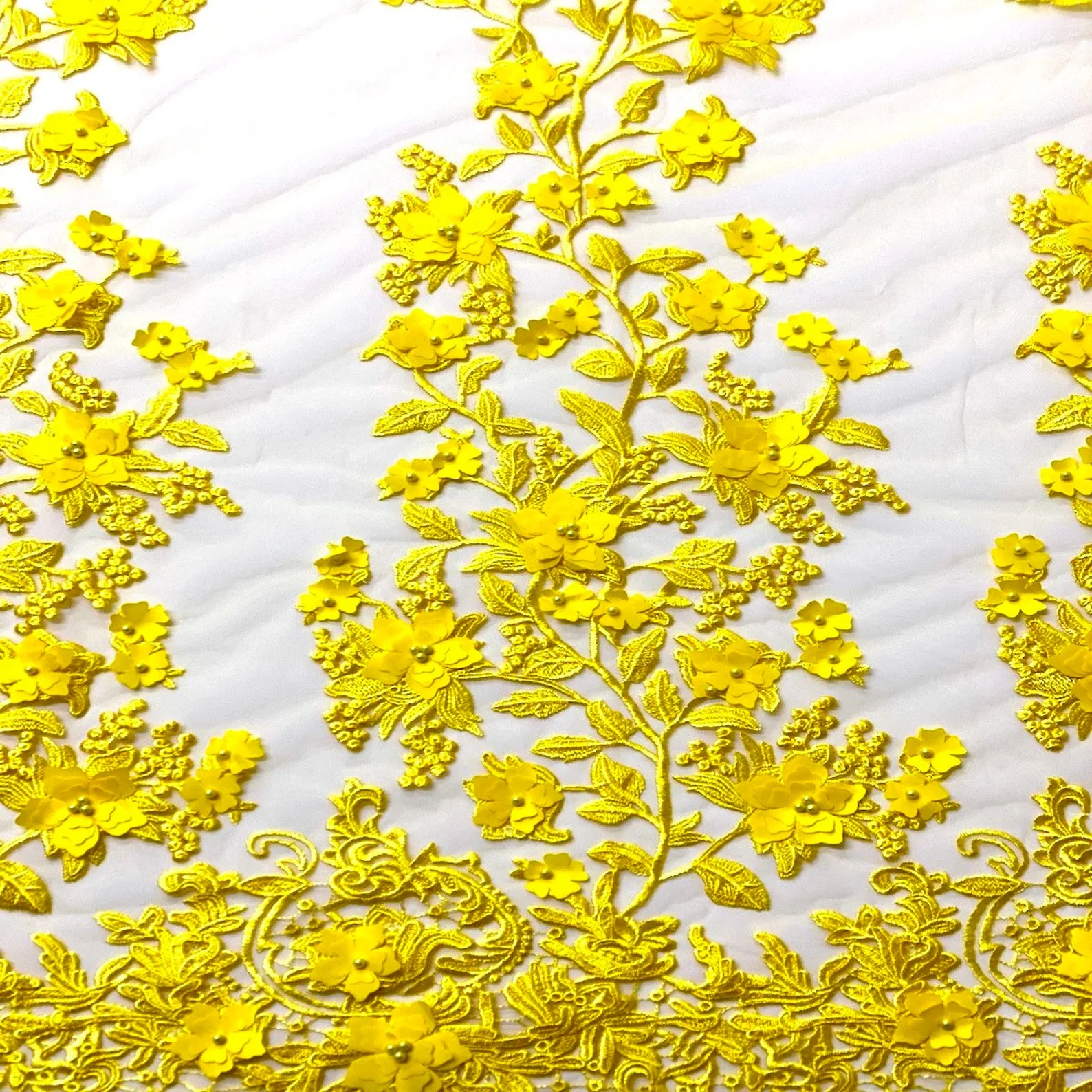
Corded embroidery creates raised patterns that stand out visually, even from a distance. This gives garments a premium look without excessive layering.
Improved Durability
The cords act as support structures, helping embroidery hold its shape and reducing wear over time.
Lightweight Elegance
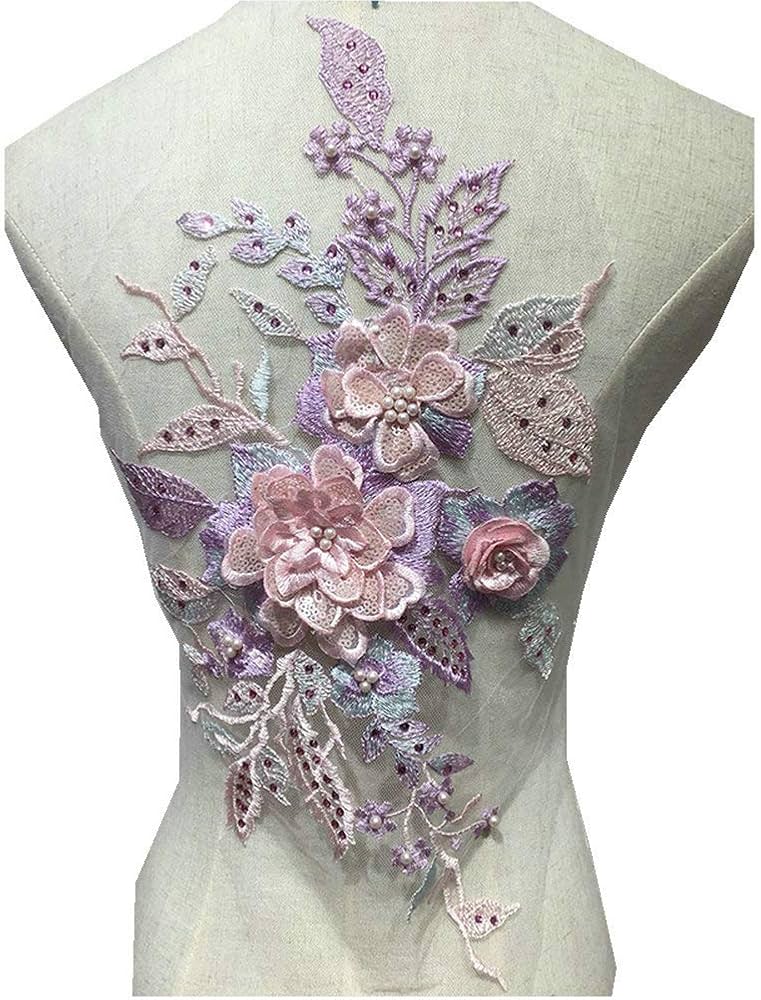
Embroidered flower lace keeps garments airy and breathable, making it ideal for dresses, bridal wear, and evening gowns.
Design Flexibility
These techniques work on a wide range of fabrics, from tulle and organza to satin and mesh.
Balanced Embellishment
Rhinestone and sequin appliqués can be added in controlled ways, offering shine without heaviness.
Efficient Production
Compared to fully hand-embroidered surfaces, corded embroidery and lace reduce labor while maintaining detail.
Real-World Case Study: High Fashion Meets Practical Craft
Luxury fashion houses have long relied on these techniques. A well-known example is the couture work of Elie Saab, whose evening gowns frequently feature corded floral embroidery layered over lace bases. These designs are known for their three-dimensional flowers, often highlighted with subtle rhinestone accents.
In one documented couture collection, Saab’s team used corded embroidery to outline floral motifs on lace gowns, allowing the dresses to sparkle under runway lighting without becoming heavy. The structure provided by the cords helped the garments maintain their shape during long shows and fittings, while the lace base kept them light enough for movement. This approach has since influenced ready-to-wear brands looking to recreate a similar look at more accessible price points.
FAQs
1. What fabrics work best with corded embroidery?
Sheer and semi-sheer fabrics like tulle, organza, and net are popular, but corded embroidery also works well on satin and silk blends.
2. Is embroidered flower lace difficult to care for?
With gentle washing or dry cleaning and proper storage, floral lace holds up well. Avoid harsh agitation to protect embroidery and appliqués.
3. Can designs be customized easily?
Yes. Patterns, cord thickness, floral layouts, and embellishment placement can all be adjusted based on design needs.
4. Are rhinestone and sequin appliqués durable?
When stitched securely rather than glued, they are long-lasting and suitable for regular wear.
5. How does cost compare to full hand embroidery?
Corded embroidery and lace are generally more cost-effective while still offering a high-end look.
Conclusion
Corded embroidery and embroidered flower lace are more than decorative trends. They are smart solutions to real challenges in modern fashion and textile production. By offering structure, flexibility, and visual depth, these techniques help designers create garments that are beautiful, durable, and practical.
When paired thoughtfully with rhinestone and sequin appliqués, they strike a balance between elegance and wearability. From couture gowns to contemporary ready-to-wear pieces, these methods continue to prove their value in a fast-changing industry.