Introduction
Embroidered floral lace and lace borders have been part of clothing and décor for centuries. From wedding gowns and festive wear to home textiles and accessories, lace continues to hold a special place in design. What has changed is how lace is made and how it is used. Today’s embroidered floral lace often includes sequins, beads, and appliqué work that add texture and depth without losing the delicate feel people love.
Designers, boutique owners, and hobby embroiderers are all turning to lace for its ability to elevate a simple piece. At the same time, many struggle to choose the right lace or work with it confidently. This article uses the PAS framework (Problem–Agitate–Solution) to break down those challenges and show how embroidered floral lace and lace borders can become a reliable, creative solution when used wisely.
Problem: Why Working With Embroidered Floral Lace Feels Difficult
Despite its beauty, embroidered floral lace can be tricky. People often face issues like:
-
Inconsistent quality: Two lace fabrics may look similar but behave very differently once cut or stitched.
-
Handling challenges: Lace can stretch, tear, or snag, especially when it includes sequins or appliqués.
-
Design confusion: Choosing between all-over lace and lace borders isn’t always straightforward.
-
Cost concerns: Heavily embroidered lace can be expensive, and mistakes feel costly.
For small fashion brands or independent designers, these problems can slow production. For hobbyists, they can take the fun out of embroidery or sewing.
Agitate: Why These Challenges Keep Coming Back
The main reason these problems persist is lack of clear information.
Many buyers focus on surface beauty instead of asking practical questions:
-
What base fabric is used—net, tulle, organza, or cotton?
-
Are sequins stitched or glued?
-
Is the embroidery dense enough to hold shape?
Another issue is that lace is often sold without context. A lace border meant for bridal veils may not work for daily wear. Similarly, appliqué lace designed for couture gowns may be too heavy for lightweight garments.
Without understanding material behavior, people end up with lace that wrinkles, loses sequins, or feels uncomfortable. Over time, this leads to frustration and the belief that lace is “too delicate” to work with—when in reality, the wrong type was chosen.
Solution: Using Embroidered Floral Lace With Sequins and Appliqués the Smart Way
The good news is that embroidered floral lace, especially when combined with sequins and appliqué work, can be both practical and creative—if chosen intentionally.
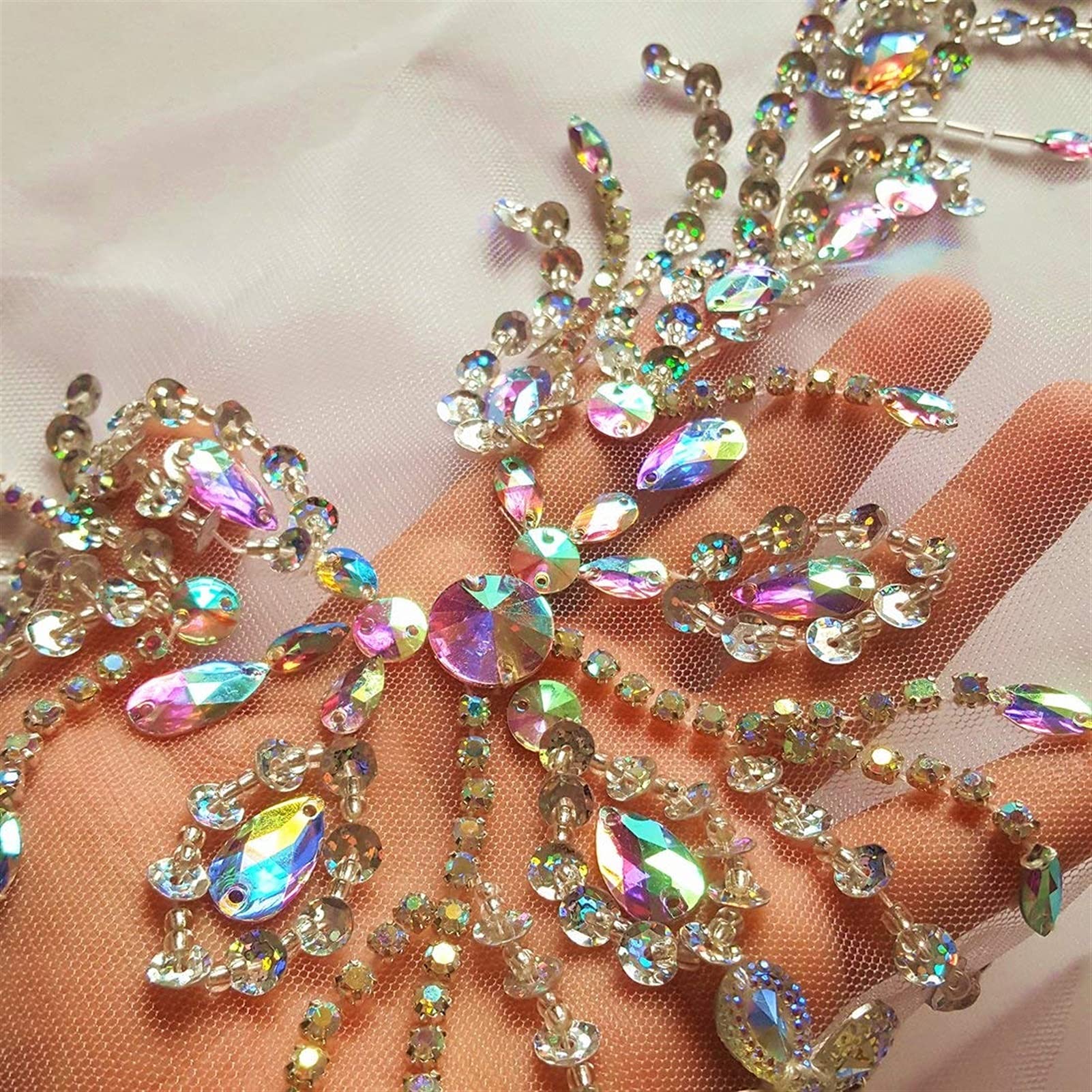
Modern manufacturers now produce lace with:
-
Reinforced embroidery threads
-
Machine-secured sequins
-
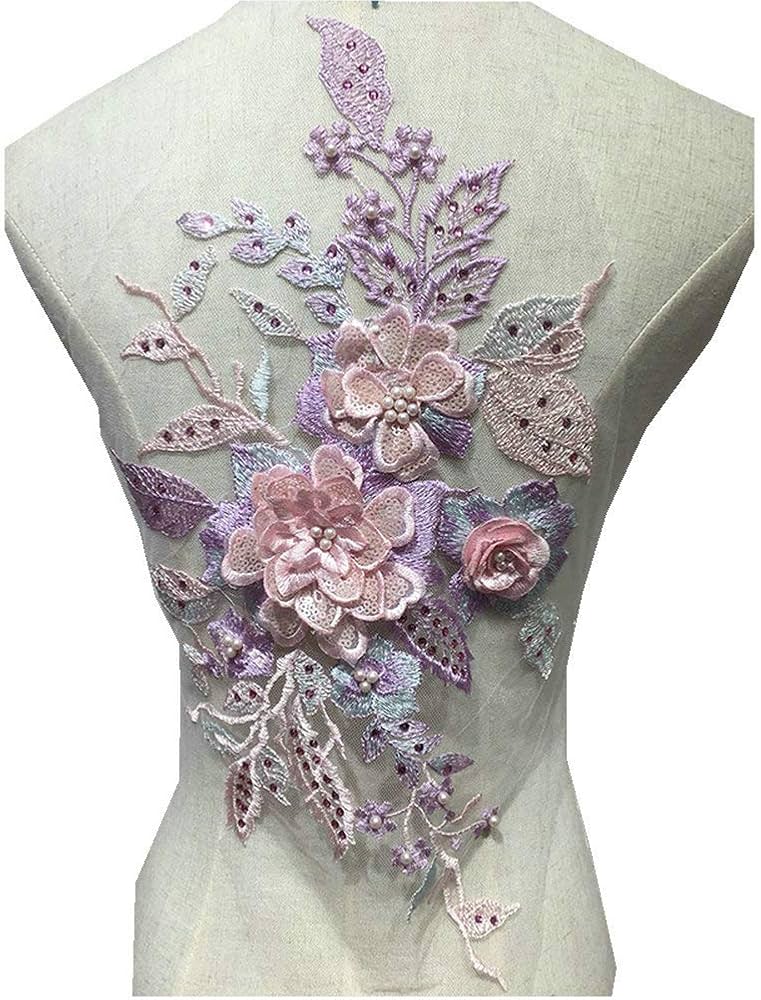
Pre-cut floral appliqués that reduce waste
Instead of treating lace as a risky material, many designers now use it strategically:
-
Lace borders for hems, sleeves, and dupattas
-
Appliqué motifs placed only where needed
-
Sequin embroidery limited to focal areas
This approach controls cost, improves durability, and keeps designs wearable.
Features & Benefits of Embroidered Floral Lace and Lace Borders
1. Material Choices
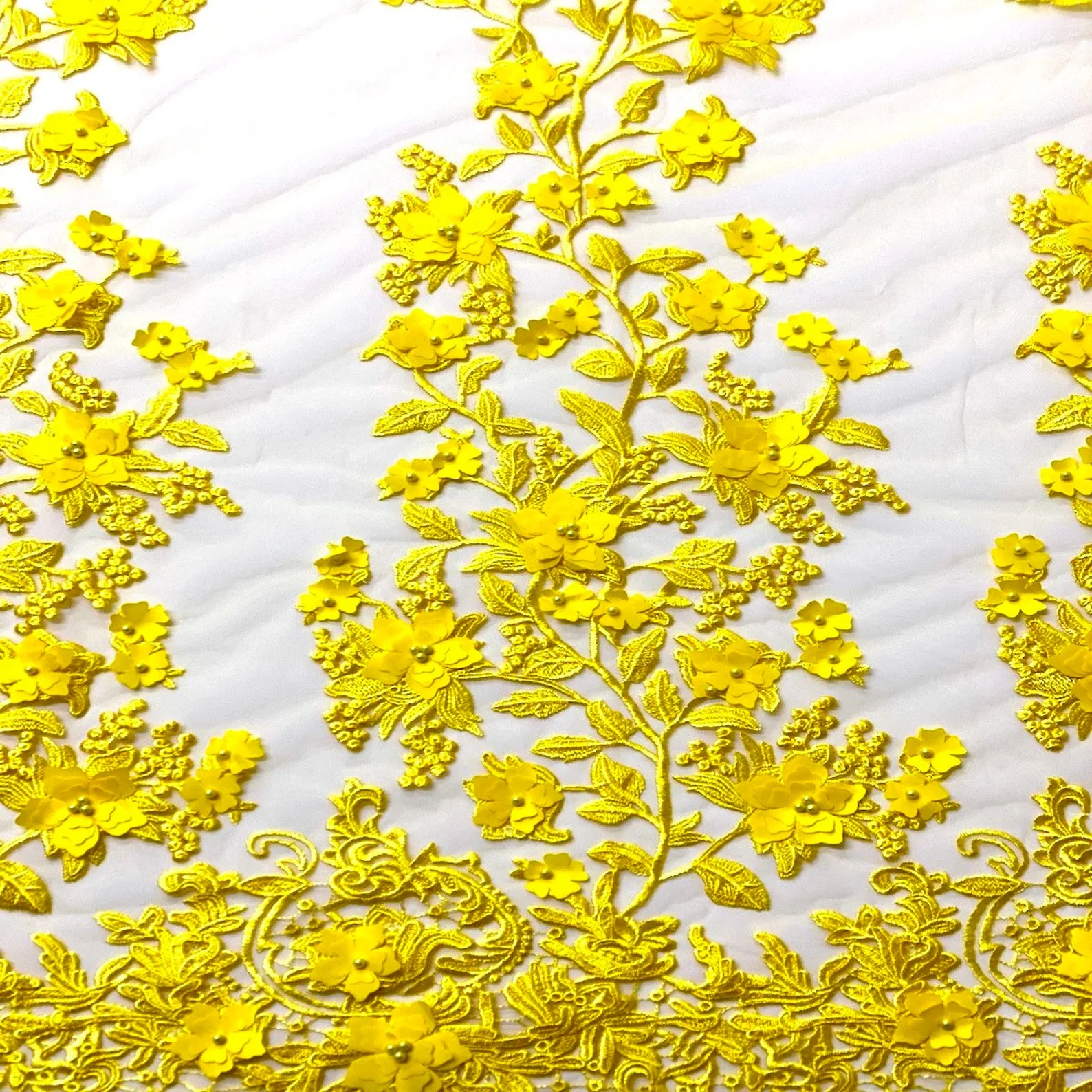
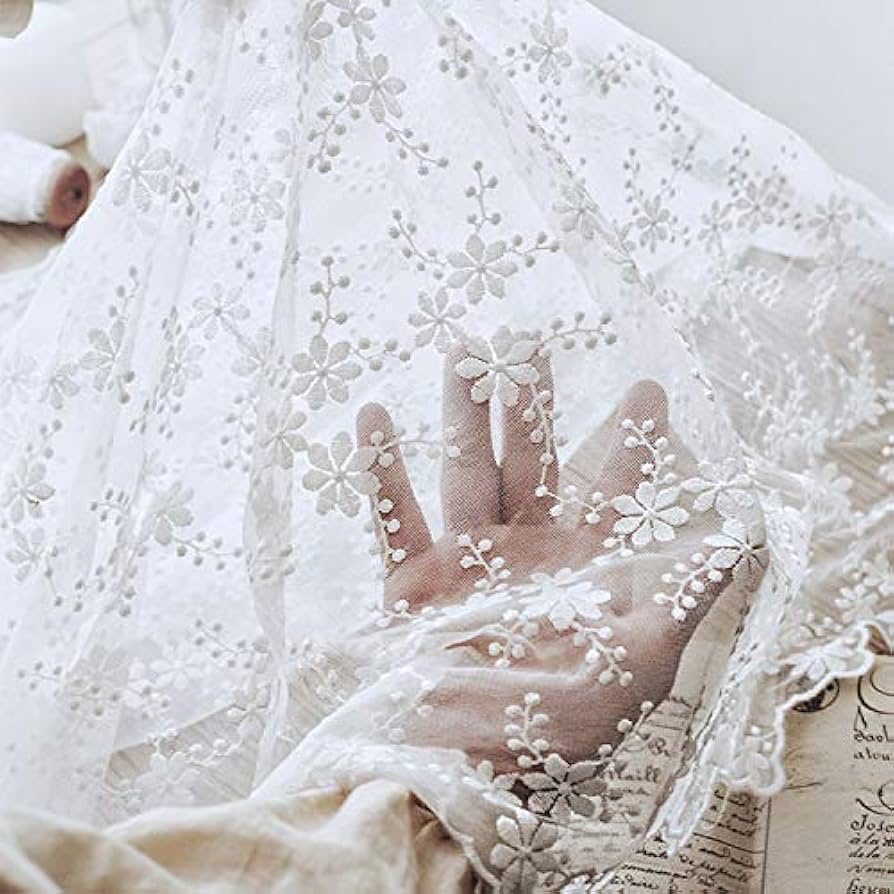
Most embroidered floral lace is built on net or tulle, which provides transparency without bulk. Cotton lace is softer and breathable, while synthetic bases offer strength and consistency.
Benefit: Designers can match lace type to garment purpose—bridal, formal, or everyday wear.
2. Embroidery Techniques
Common techniques include:
-
Satin stitch florals
-
Chain stitch outlines
-
Corded embroidery for raised effects
Sequins are usually stitched using lock or loop methods, reducing fallout.
Benefit: Proper embroidery adds texture without compromising fabric strength.
3. Appliqué Work
Appliqué lace motifs are often cut from larger embroidered panels and re-applied.
Benefit: This allows custom placement and minimizes fabric waste.
4. Lace Borders
Borders come with finished edges, scallops, or straight trims.
Benefit: Faster sewing and clean finishing for hems and panels.
5. Durability Factors
High-quality lace uses colorfast threads and reinforced stitching.
Benefit: Longer garment life, even with regular wear.
Real-World Examples and Case Studies
Couture Fashion Houses
Luxury brands like Elie Saab are known for using embroidered floral lace with sequins in evening gowns. Their collections often layer lace over silk or satin, proving that structured garments and delicate embroidery can work together.
Ready-to-Wear Collections
Brands such as Dolce & Gabbana frequently feature lace borders on skirts and dresses. Instead of full lace garments, they use borders to add visual interest while keeping garments practical for daily wear.
Boutique Designers
Many South Asian and Middle Eastern boutiques use sequin floral lace for festive wear. A common practice is applying heavy embroidery only on bodices and borders, leaving the rest of the garment in plain fabric. This balances comfort, cost, and style.
Textile Businesses
Textile exporters report that lace with detachable appliqué motifs sells better to small brands. Buyers appreciate the flexibility to create custom designs without ordering large quantities of expensive lace panels.
FAQs
1. Is embroidered floral lace suitable for everyday clothing?
Yes, if you choose lighter embroidery and minimal sequins. Lace borders or small appliqué details work well for daily wear.
2. How do I prevent sequins from falling off?
Look for lace where sequins are stitched, not glued. Hand washing and gentle handling also help.
3. What is the difference between lace fabric and lace borders?
Lace fabric covers a full area, while lace borders are trims used on edges like hems and sleeves.
4. Can lace appliqués be reused?
In many cases, yes. Carefully removed appliqués can be reapplied to new garments or accessories.
5. Is machine embroidery as good as hand embroidery for lace?
Modern machine embroidery is consistent and durable. Hand embroidery offers uniqueness but usually costs more.
Conclusion
Embroidered floral lace and lace borders are not just decorative extras—they are practical design tools when used thoughtfully. The challenges people face often come from choosing lace without understanding its structure, purpose, and limitations. By focusing on quality materials, smart embroidery techniques, and strategic placement of sequins and appliqués, lace becomes easier to work with and more reliable.
Whether you are designing garments, running a boutique, or exploring embroidery as a craft, lace offers room for creativity without excess. Take time to study the fabric, test small samples, and experiment with borders or appliqués. You may find that lace, once intimidating, becomes one of the most versatile elements in your work.