Introduction (Hook with PAS Problem)
You finish a design. The cut is right. The fit works. But when it hangs on the rack, it feels… flat.
That’s the problem most designers don’t like to admit.
Customers scroll fast. Stores are packed with options. If your piece doesn’t grab attention in three seconds, it’s skipped. This hurts sales, confidence, and brand growth.
Let’s talk about why this happens—and how embroidered flower lace, sequin appliques, rhinestone appliques, and sequin trims can fix it without overcomplicating your work.
The Problem (Everyday design struggles)
Most everyday designs struggle with the same issues:
-
Fabrics look good up close but boring from far away
-
Dresses photograph poorly for online shops
-
Special-occasion pieces don’t feel “special enough”
-
Price resistance from buyers who don’t see the value
A 2023 apparel retail report showed that over 70% of online shoppers decide in under 5 seconds whether to click a product image. Flat surfaces lose that battle fast.
Designers often respond by:
-
Changing fabric suppliers
-
Redesigning entire silhouettes
-
Dropping prices
All of these cost time and money—and still don’t solve the real issue.
Why It Gets Worse (Agitate: real challenges with data)
The problem grows as the market gets crowded.
Fast fashion brands release thousands of styles every week. Even premium labels compete visually on the same phone screens. According to Shopify retail data, products with textured or embellished visuals see up to 30% higher click-through rates than flat designs.
It’s not just about looks. Returns increase too. Customers say, “It didn’t look special in real life.” That leads to:
-
Higher return costs
-
Lower customer trust
-
Slower repeat purchases
Without visual depth, your work gets lost—no matter how good the construction is.
The Solution (How these materials fix it)
This is where embroidered flower lace, sequin appliques, rhinestone appliques, and sequin trims step in.
They solve the problem in three simple ways:
-
Instant visual pop
Texture catches light. Light catches eyes. Eyes stop scrolling. -
Higher perceived value
Embellishments signal handwork and detail. Shoppers associate that with quality and are willing to pay more. -
Design flexibility
You don’t need to redesign everything. Add, place, stitch—and upgrade.
Brands using decorative trims report price increases of 15–40% on similar base garments, simply by adding embellishment details.
Features and Types (Break down embroidered flower lace, sequin appliques, trims, rhinestones)
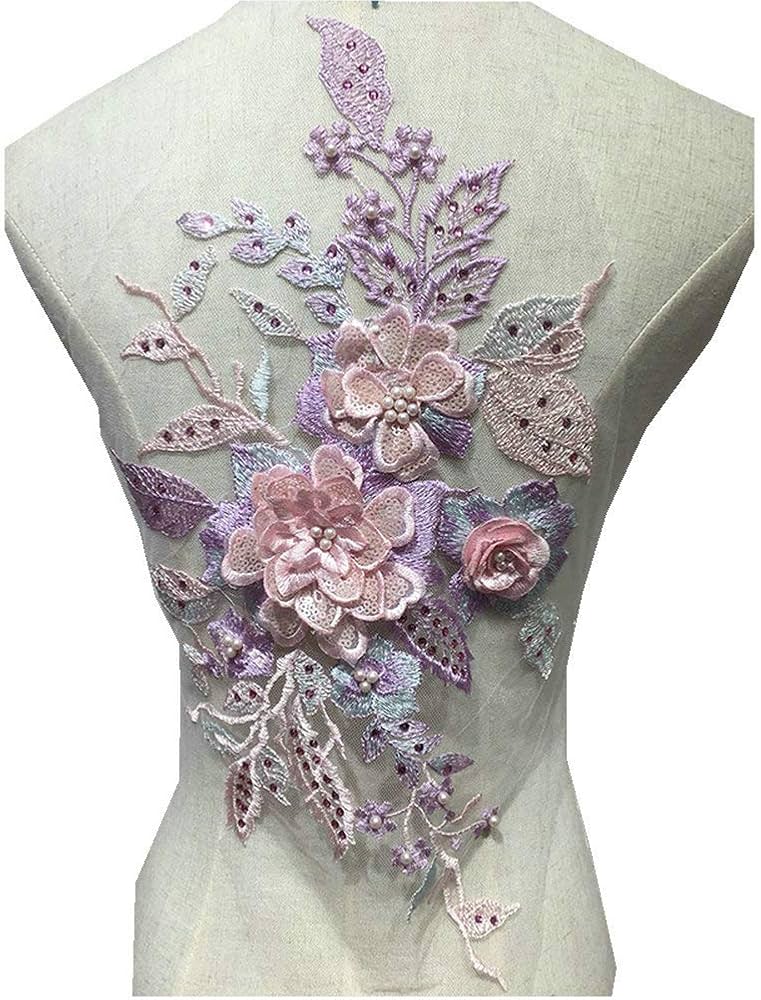
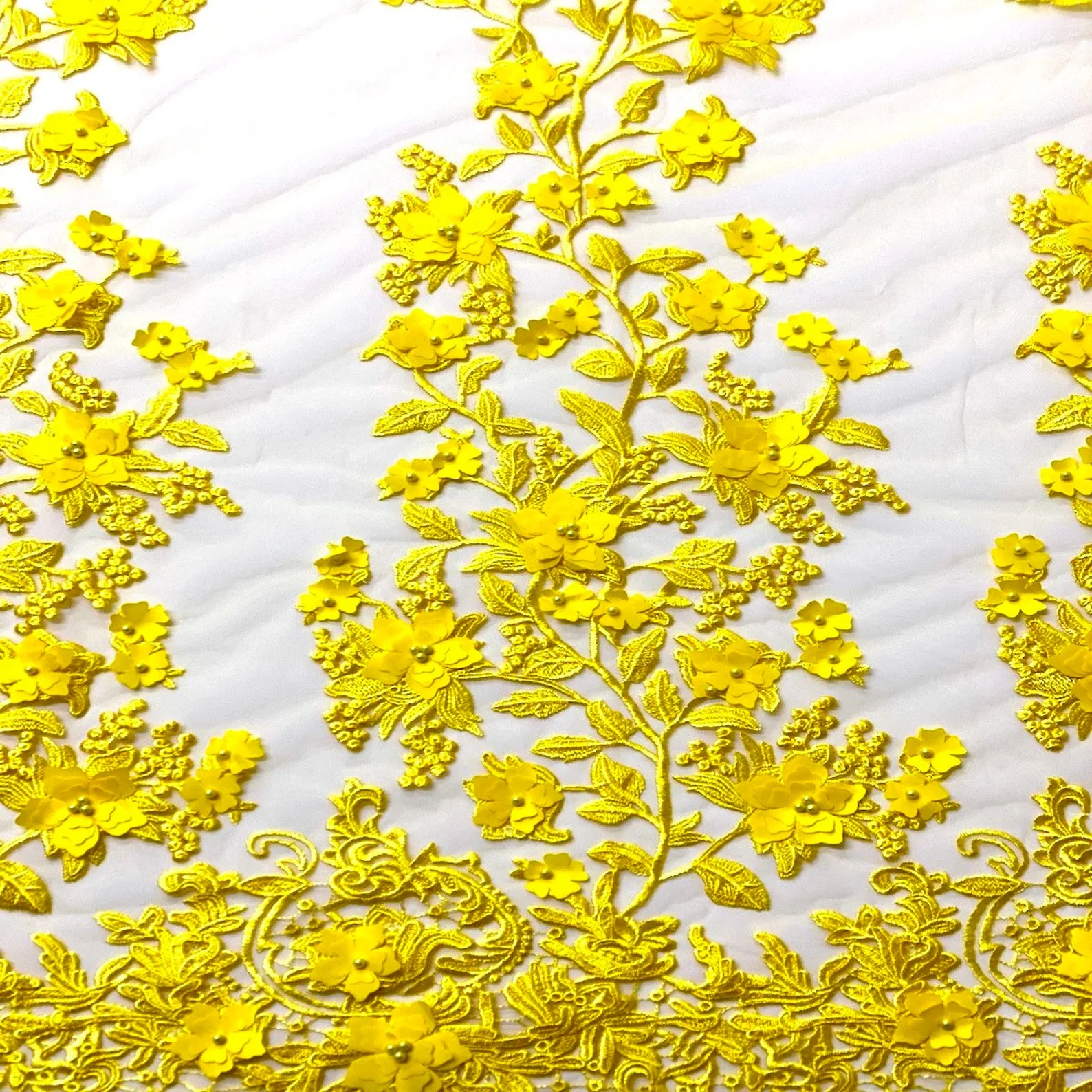
Embroidered Flower Lace
Embroidered flower lace adds soft structure and pattern at the same time. It works well for:
-
Bridal gowns
-
Evening dresses
-
Blouses and sleeves
Because the embroidery is raised, it creates shadows and depth. Designers often layer it over satin, tulle, or mesh to add richness without weight.
Key benefit: Romantic detail without heavy fabric.
Sequin Appliques
Sequin appliques are pre-made decorative pieces stitched or glued onto garments. They reflect light and photograph extremely well.
Used on:
-
Bodices
-
Waistlines
-
Statement backs
In fashion e-commerce tests, garments with sequin appliques showed up to 25% higher add-to-cart rates compared to plain versions.
Key benefit: Maximum shine with minimal labor.
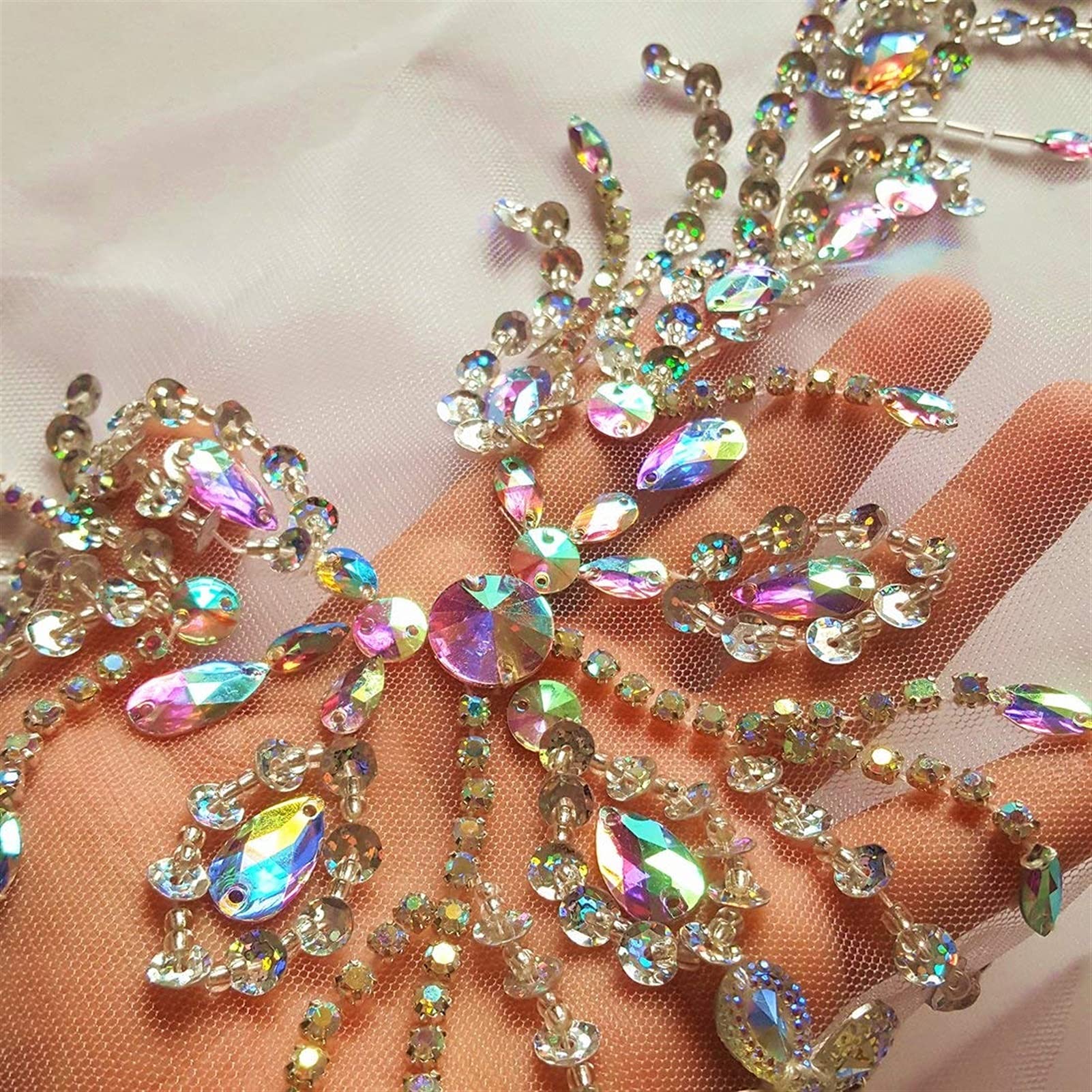
Rhinestone Appliques
Rhinestone appliques add sparkle with a cleaner, sharper look than sequins. They’re popular in:
-
Performance wear
-
Cocktail dresses
-
High-end accessories
Rhinestones catch direct light, making them perfect for stage or evening lighting.
Key benefit: Strong sparkle in small areas.
Sequin Trims
Sequin trims run along edges—hems, necklines, slits, or seams. They guide the eye and define shape.
They’re often used to:
-
Frame silhouettes
-
Highlight movement
-
Add rhythm to simple cuts
Designers use sequin trims to refresh old designs instead of starting from scratch.
Key benefit: Fast upgrade for existing patterns.
Real-World Examples (2-3 case studies with facts)
Case Study 1: Bridal Boutique Sales Boost
A mid-sized bridal brand added embroidered flower lace overlays to its best-selling gown. The base dress stayed the same.
Result:
-
Retail price increased by 22%
-
Sell-through rate improved by 18% in one season
-
Fewer fitting complaints due to visual structure
Case Study 2: Online Eveningwear Brand
An online-only eveningwear label tested two versions of the same dress—one plain, one with sequin appliques on the bodice.
Result:
-
28% higher click-through rate
-
19% higher conversion rate
-
Lower return rate due to “looks better than photos” feedback
Case Study 3: Dancewear Manufacturer
A performancewear company added rhinestone appliques and sequin trims to competition costumes.
Result:
-
Average order value increased by 35%
-
Repeat customers increased by 20% year-over-year
-
Stronger social media sharing from performers
FAQs (5-7 common questions)
1. Are these embellishments heavy?
Most modern embroidered flower lace and sequin trims are lightweight and designed for comfort.
2. Do sequins fall off easily?
Quality sequin appliques are stitched, not glued. They hold up well with proper care.
3. Can beginners use appliques?
Yes. Appliques are beginner-friendly and reduce hand-embroidery time.
4. Are rhinestone appliques washable?
Hand washing or gentle cycles work best. Always test first.
5. Do these materials increase production costs?
Slightly—but the higher selling price usually offsets the cost.
6. Are these only for formal wear?
No. Designers now use trims on denim, tops, and casual dresses.
Conclusion (Call to action)
If your designs feel finished—but not exciting—you’re not alone. The problem isn’t your skill. It’s visibility.
Embroidered flower lace, sequin appliques, rhinestone appliques, and sequin trims are simple tools with real impact. They help your work stand out, photograph better, sell faster, and command better prices.
Start small. Add one detail. Test one piece. Watch how customers react.
Your designs already deserve attention—now give them the sparkle to get it. ✨