Introduction
Sequins and appliques have been part of clothing and textile design for centuries, but their role today is bigger than ever. From runway gowns and wedding dresses to dance costumes and ready-to-wear collections, these embellishments help designers add texture, shine, and personality without changing the entire garment structure.
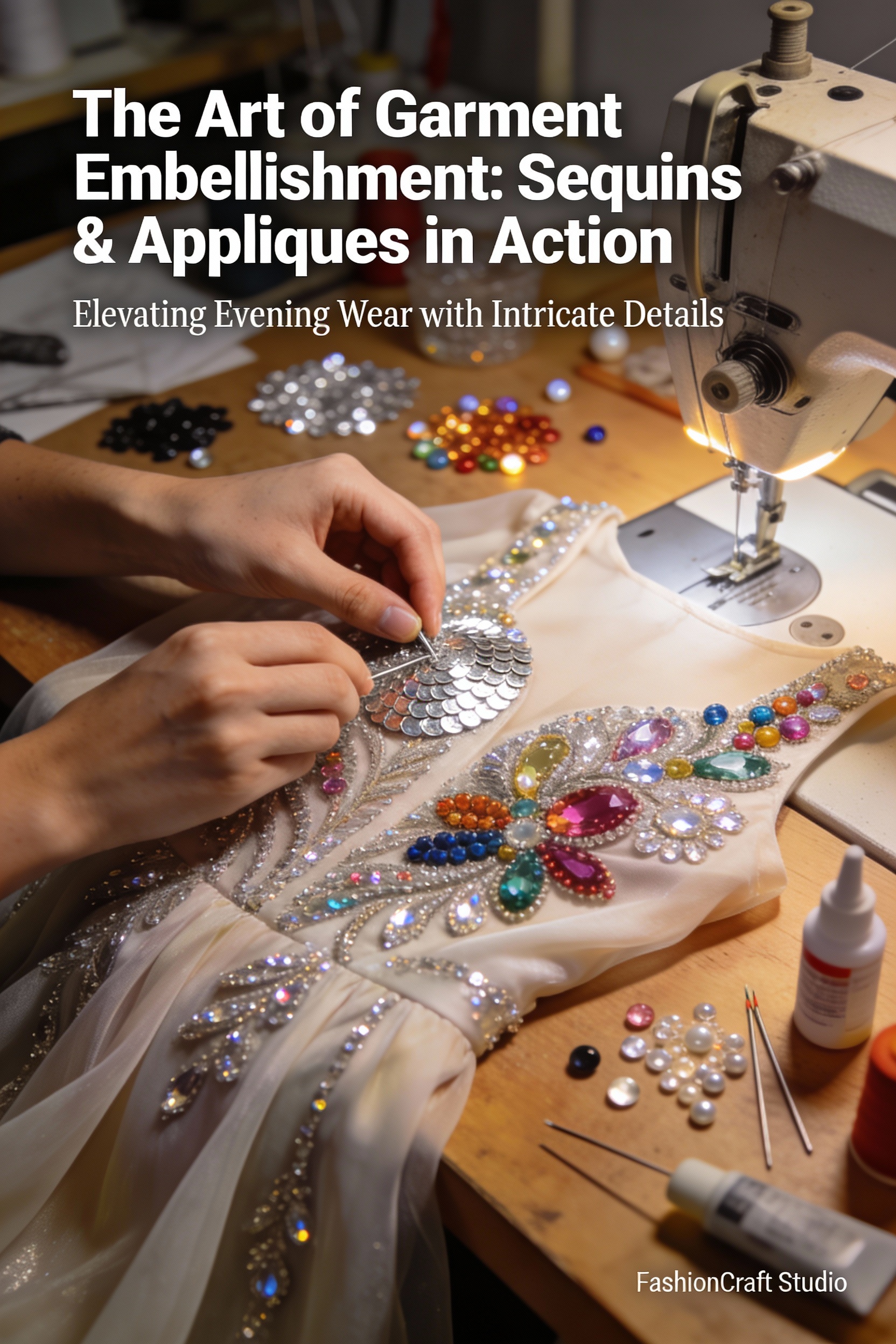
In simple terms, appliques are decorative pieces sewn or attached onto fabric, while sequins and beads add sparkle and dimension. When combined, they create eye-catching designs that stand out in photos, under lights, and in real life.
In this blog, we’ll explore sequins and appliques through the PAS (Problem–Agitate–Solution) framework. We’ll look at the challenges designers face, why those challenges matter, and how beaded appliques, rhinestone appliques, and sequin appliques offer practical solutions. Whether you’re a fashion designer, boutique owner, costume maker, or DIY enthusiast, this guide will help you understand how and why these embellishments work.
Problem: Standing Out in a Crowded Fashion Market
The fashion and textile industry is more competitive than ever. Designers are expected to release new collections frequently, while also keeping costs under control and maintaining consistent quality.
One of the biggest problems is visual sameness. Many garments today rely on similar silhouettes, fabrics, and color palettes. Without strong detailing, designs can look flat or forgettable, especially online where customers scroll quickly.
Another issue is time and budget constraints. Custom embroidery and hand-crafted details look great, but they require skilled labor and long production timelines. Small brands and independent designers often struggle to achieve a premium look without overspending.
This is where many designers feel stuck: they need garments that look special, but they don’t always have the resources to build everything from scratch.
Agitate: Why This Problem Hurts Designers and Brands
When designs fail to stand out, the impact goes beyond aesthetics.
First, there’s the sales issue. According to retail studies, visually detailed products tend to perform better online because they catch attention in product images. Plain garments can get lost in crowded marketplaces like Etsy, Amazon Handmade, or fashion-focused Instagram feeds.
Second, there’s the brand perception problem. Customers often associate embellishments like sequins and appliques with value and craftsmanship. Without them, even well-made garments can appear basic or overpriced.
Third, designers face creative burnout. Repeating minimal designs season after season can limit creative growth. Many designers want to experiment but need tools that are easy to apply and reliable in production.
Finally, there’s the event-wear challenge. Industries like bridal, eveningwear, dance, and performance costumes demand sparkle and drama. Without rhinestone appliques or sequin appliques, designs may fail to meet client expectations.
Solution: How Sequins and Appliques Solve These Challenges
Sequins and appliques offer a practical and flexible solution to these design challenges.
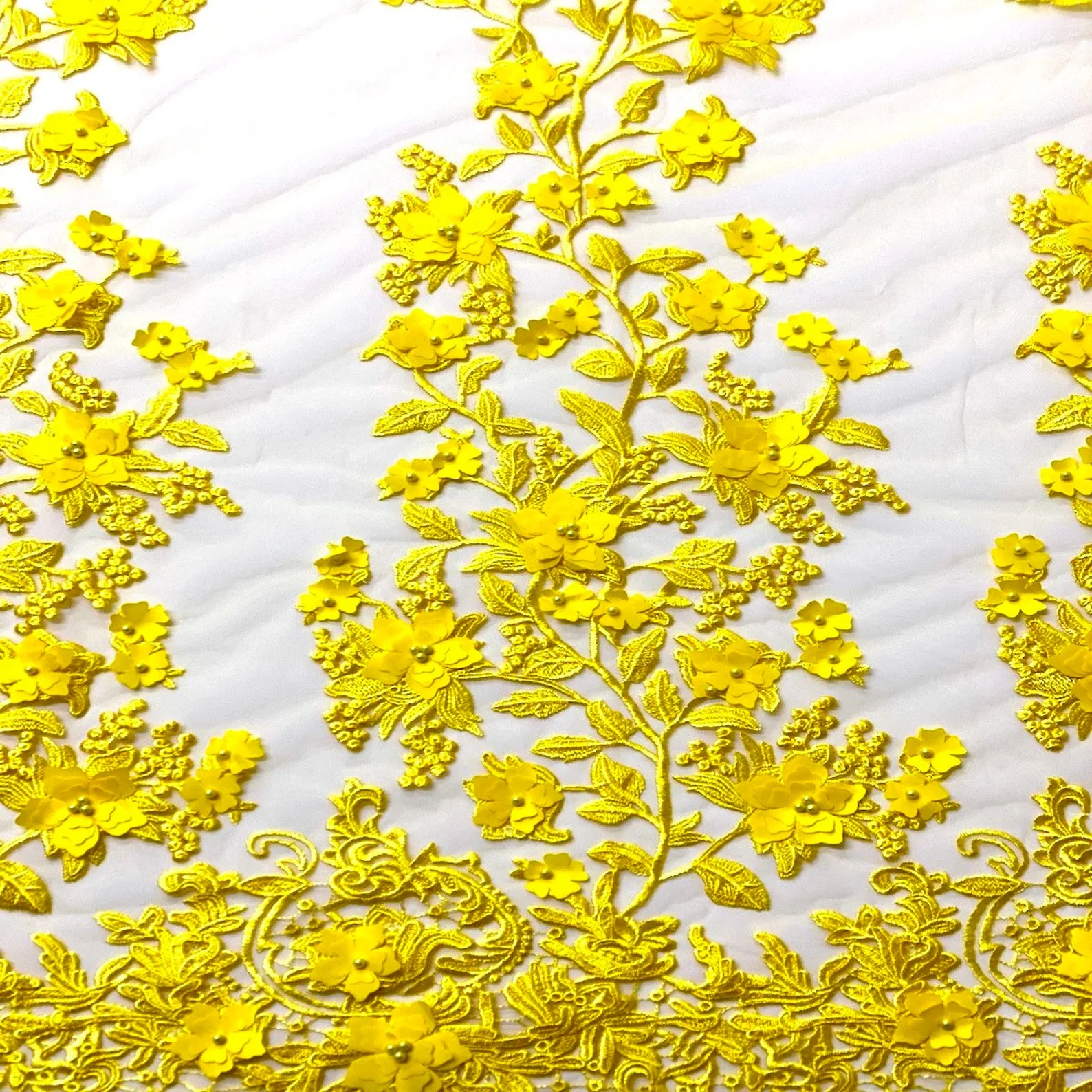
By using ready-made appliques, designers can instantly add detailed patterns to garments without investing weeks in embroidery. These appliques are available in many styles, sizes, and themes, making them suitable for different markets.
Beaded appliques add texture and depth, creating a handcrafted feel even when used in small quantities. Rhinestone appliques reflect light beautifully, making them ideal for stage wear and evening outfits. Sequin appliques provide movement and shine, which works especially well for fashion shows, parties, and festive clothing.
Another key benefit is scalability. Appliques can be used on a single custom gown or applied across a full production run with consistent results. This makes them appealing to both independent designers and large manufacturers.
Most importantly, sequins and appliques help garments tell a story. They guide the eye, highlight specific areas, and turn simple designs into memorable pieces.
Features and Types of Sequins and Appliques
Understanding the main types of appliques helps designers choose the right option for each project.
Beaded Appliques
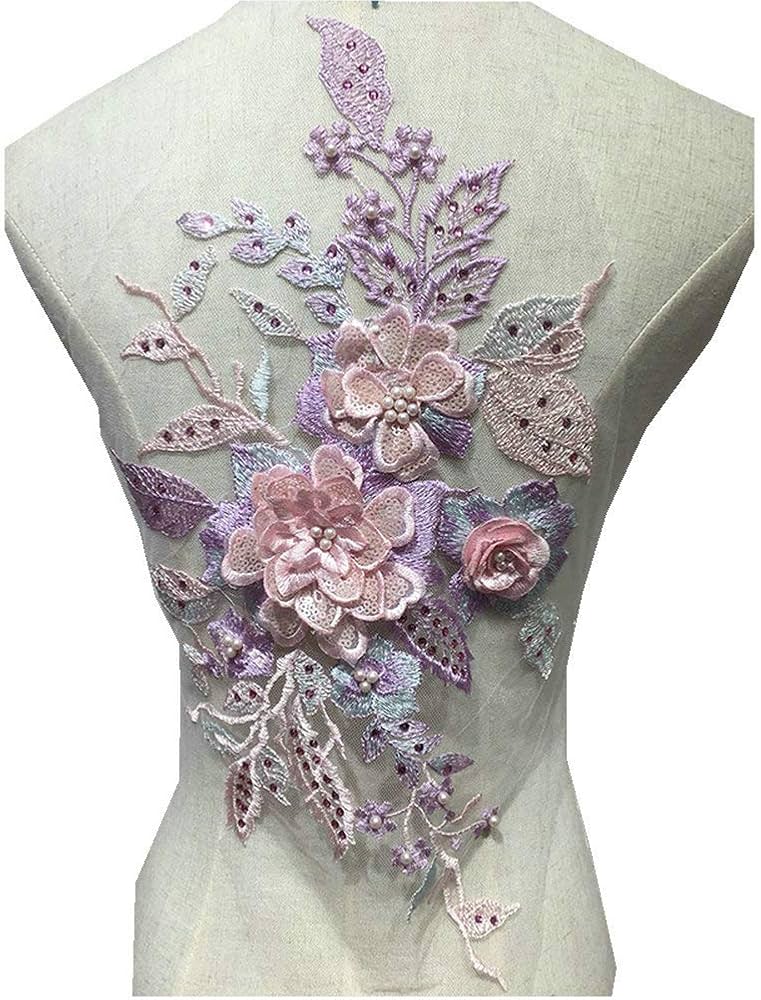
Beaded appliques are made using glass beads, seed beads, pearls, or acrylic beads stitched onto a fabric base. They are commonly used in bridal gowns, couture dresses, and cultural garments.
Key features:
Rich texture and detail
Often hand-assembled
Works well on bodices, necklines, and sleeves
Beaded appliques are popular in bridal fashion. Many wedding dress designers use them to create focal points without making the entire gown heavy.
Rhinestone Appliques
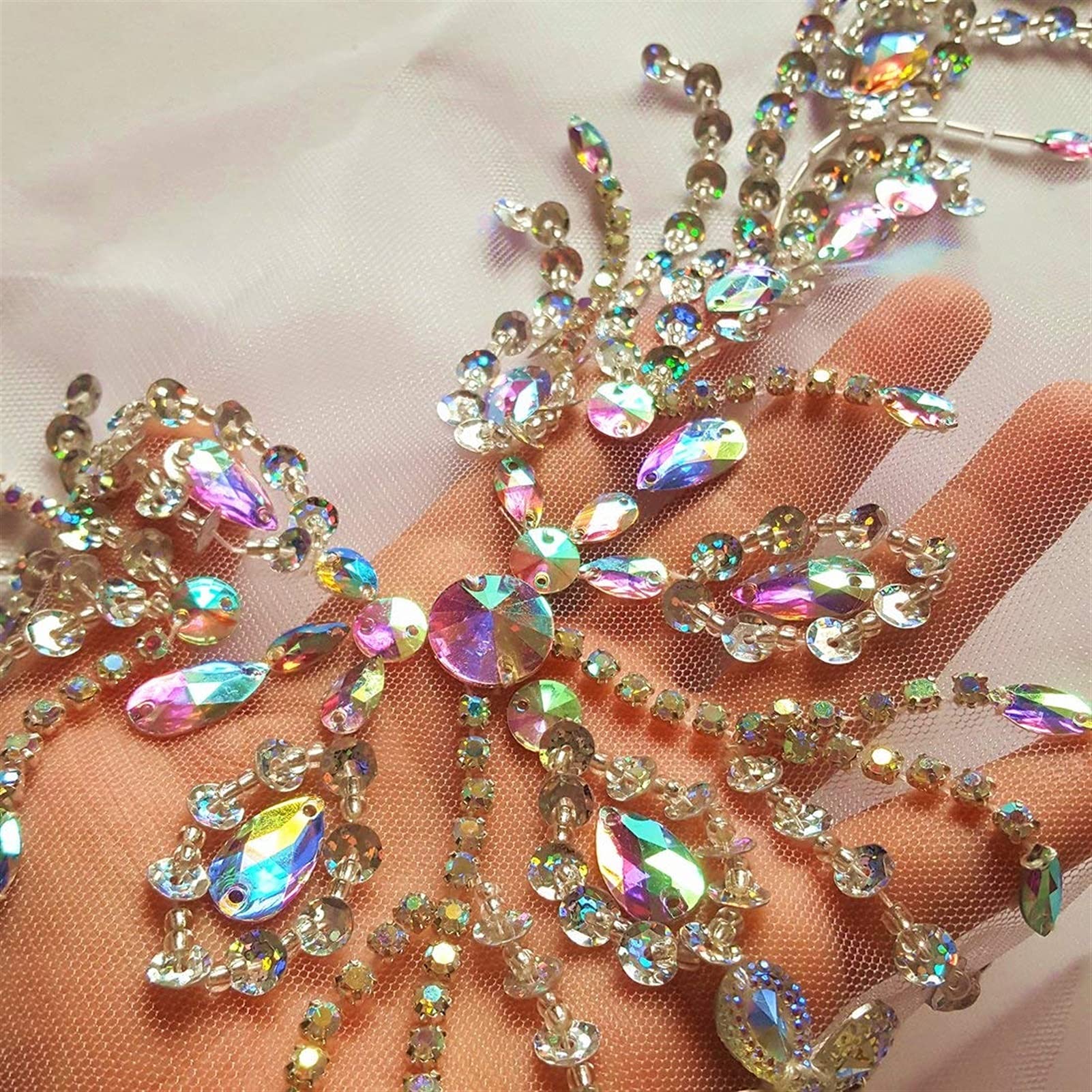
Rhinestone appliques use crystal or crystal-like stones attached with stitching or heat-set methods. They are known for their strong sparkle under light.
Key features:
High shine and light reflection
Ideal for performance and eveningwear
Available in clear or colored stones
Dancewear brands often rely on rhinestone appliques because they remain visible from a distance, even under stage lighting.
Sequin Appliques
Sequin appliques are made using flat or cupped sequins sewn onto mesh, tulle, or fabric backing. They add movement and shimmer.
Key features:
Lightweight sparkle
Flexible and easy to stitch
Suitable for festive and casual fashion
Sequin appliques are commonly used in party wear, festival outfits, and fashion-forward collections.
Real-World Examples and Industry Use
Many well-known fashion houses and costume designers rely heavily on sequins and appliques.
In bridal fashion, designers often use beaded appliques to speed up production while maintaining a luxury look. For example, several mid-range bridal brands use imported beaded appliques to create gowns that retail for thousands of dollars without fully custom embroidery.
In performance wear, rhinestone appliques are standard. Figure skating and ballroom dance costumes almost always include rhinestones because judges and audiences expect strong visual impact. According to costume suppliers, rhinestone detailing can increase perceived costume value by over 30%.
Fast fashion brands also use sequin appliques strategically. Instead of producing full sequin garments, they add appliques to jackets, tops, or accessories to control costs while still following trends.
Even in DIY and small business spaces, appliques are widely used. Etsy sellers often customize denim jackets or bridal veils using appliques, allowing them to offer personalization without complex machinery.
FAQs
Are sequins and appliques durable?
Yes, when properly attached and cared for. Hand washing or gentle cycles help extend their life.
Can appliques be used on stretch fabrics?
Yes, but flexible backing and proper stitching are important to avoid distortion.
Are rhinestone appliques heavy?
They can be heavier than sequin appliques, so placement matters, especially on lightweight fabrics.
Can I remove and reuse appliques?
Some appliques can be carefully removed, but most are designed for permanent use.
Are appliques suitable for everyday wear?
Yes, especially smaller or lightweight designs. Many casual garments now include subtle appliques.
Conclusion
Sequins and appliques continue to play a major role in modern fashion and textile design. They solve real problems by helping designers create standout garments without excessive time or cost. From beaded appliques that add texture, to rhinestone appliques that shine under lights, to sequin appliques that bring movement and fun, these embellishments are both practical and creative tools.
As fashion becomes faster and more visual, the ability to add impact quickly is more important than ever. Sequins and appliques make that possible, whether you’re designing a couture gown or customizing a single jacke